Hey there! As a supplier of DP (Differential Pressure) transmitters, I often get asked about the difference between a DP pressure transmitter and a regular pressure transmitter. So, let's dive right in and break it down in simple terms.
How Regular Pressure Transmitters Work
First off, let's talk about regular pressure transmitters. These bad boys are pretty straightforward. They measure the pressure of a single point in a system. Whether it's the pressure of a gas in a tank, the water pressure in a pipeline, or the air pressure in a tire, a regular pressure transmitter gives you a single value that represents the pressure at that specific location.
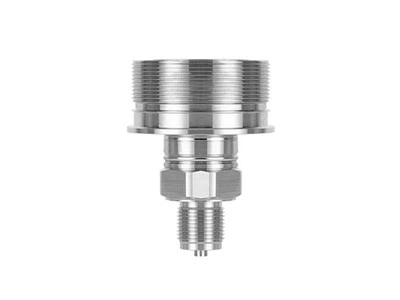
There are different types of regular pressure transmitters, like absolute and gauge pressure transmitters. An absolute pressure transmitter measures the pressure relative to a perfect vacuum. For example, the DMP305X-TST-S Absolute Pressure Transmitter is designed to give you the actual pressure value, no matter what the atmospheric pressure is. It's super useful in applications where you need an accurate measurement that's not affected by changes in the surrounding air pressure, like in high - altitude places or in vacuum systems.
On the other hand, a gauge pressure transmitter measures the pressure relative to the atmospheric pressure. The DMP305X-TST-S Gauge Pressure Transmitter shows you how much the pressure at the measurement point is above or below the local atmospheric pressure. This type is commonly used in industrial processes where the difference from the atmospheric pressure is what matters, such as in hydraulic systems or in measuring the pressure of a fluid in a closed container.
What Makes DP Pressure Transmitters Special
Now, let's shift our focus to DP pressure transmitters. These are a bit more complex but also offer some unique benefits. A DP pressure transmitter measures the difference in pressure between two points. Instead of just giving you a single pressure value, it tells you how much the pressure at one point varies from the pressure at another point.
Imagine you have a pipe with fluid flowing through it. You can use a DP pressure transmitter to measure the pressure drop across a filter or an orifice plate in the pipe. By knowing this pressure difference, you can figure out important things like the flow rate of the fluid. In fact, this is one of the most common applications of DP transmitters in the industry.
The SMP858-NST Differential Pressure Transmitter is a great example. It's designed to accurately measure the differential pressure between two different pressure sources. This can be used in HVAC systems to measure the pressure difference across air filters, or in chemical plants to monitor the pressure drop in a heat exchanger.
Key Differences in Applications
The applications of regular and DP pressure transmitters give us a clear picture of their differences. Regular pressure transmitters are mainly used when you need to know the absolute or relative pressure at a single point. For instance, in a boiler, a regular pressure transmitter can be used to monitor the steam pressure inside the boiler. This helps in ensuring that the boiler operates within a safe pressure range.
On the other hand, DP pressure transmitters shine in applications where the pressure difference between two points is crucial. In a water treatment plant, a DP transmitter can be used to measure the pressure drop across a sediment filter. If the pressure difference increases over time, it could mean that the filter is getting clogged and needs to be replaced.
Accuracy and Sensitivity
When it comes to accuracy and sensitivity, both types of transmitters have their own characteristics. Regular pressure transmitters are generally very accurate when it comes to measuring a single pressure point. They can be calibrated to provide highly precise readings, especially in stable environments.

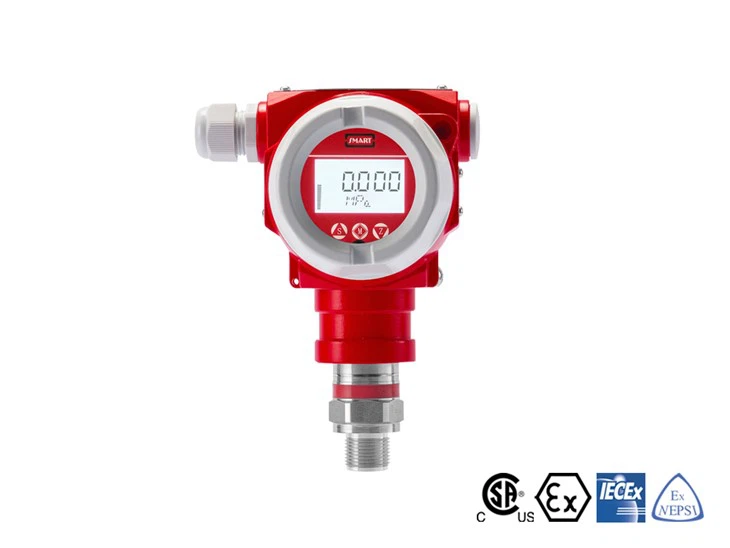
DP pressure transmitters, however, need to be sensitive enough to detect small differences in pressure. Since they are measuring the difference between two pressures, even a small change in one of the pressures can have a significant impact on the differential pressure reading. This means that DP transmitters often need to have a high level of sensitivity and resolution to accurately measure these small differences.
Installation and Maintenance
Installation of regular pressure transmitters is usually pretty simple. You just need to connect the transmitter to the point where you want to measure the pressure. Make sure the connection is tight and there are no leaks, and you're good to go. Maintenance mainly involves periodic calibration to ensure the accuracy of the readings.
Installing a DP pressure transmitter is a bit more involved. You need to connect it to two different pressure points, and the tubing or piping between the transmitter and the pressure sources needs to be properly sized and routed. Also, because DP transmitters are often used in applications where fouling or clogging can occur, they may require more frequent maintenance to clean the pressure ports and ensure proper operation.
Cost Considerations
Cost is always an important factor when choosing between a regular and a DP pressure transmitter. Regular pressure transmitters are generally less expensive, especially for simple applications. They have a more straightforward design and fewer components, which keeps the manufacturing cost down.
DP pressure transmitters, on the other hand, are more expensive. Their complexity in design, the need for high - sensitivity sensors, and the additional features required to measure the differential pressure all contribute to a higher price tag. However, in applications where the differential pressure measurement is critical, the cost is often justified by the value it provides.
Conclusion
So, to sum it up, the main difference between a DP pressure transmitter and a regular pressure transmitter lies in what they measure. A regular pressure transmitter gives you the pressure at a single point, while a DP pressure transmitter measures the difference between two pressures. The choice between the two depends on your specific application requirements, accuracy needs, installation and maintenance capabilities, and budget.
If you're still not sure which type of pressure transmitter is right for your project, or you want to learn more about our DP pressure transmitters, feel free to reach out. Our team of experts is always here to help you make the best decision and find the perfect solution for your needs. Whether it's for a small - scale industrial process or a large - scale project, we've got you covered.
References
- Smith, J. (2020). Pressure Transmitter Handbook. Industrial Press Inc.
- Johnson, A. (2021). Differential Pressure Measurement in Practical Applications. Instrumentation Journal.