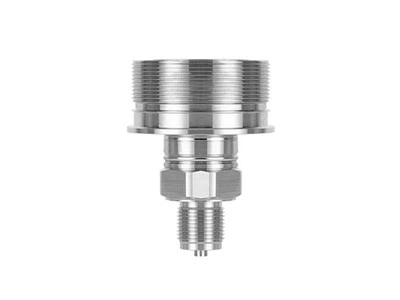
Pressure measurement plays a crucial role in power plants. As a pressure transmitter supplier, I've seen firsthand how accurate and reliable pressure measurement is essential for the safe and efficient operation of these facilities. In this blog, I'll dive into the pressure measurement requirements in a power plant and how our products can meet those needs.
Why Pressure Measurement Matters in Power Plants
Power plants are complex systems that involve various processes, including steam generation, turbine operation, and cooling. Each of these processes is highly sensitive to pressure changes. Incorrect pressure levels can lead to equipment failure, reduced efficiency, and even safety hazards.
For example, in a steam turbine, the pressure of the steam is directly related to its energy content. If the pressure is too low, the turbine won't generate enough power. On the other hand, if the pressure is too high, it can cause excessive stress on the turbine blades and other components, leading to premature wear and tear or even catastrophic failure.
Key Pressure Measurement Points in a Power Plant
Boiler and Steam Generation
The boiler is the heart of a power plant. It's where water is heated to produce steam, which is then used to drive the turbines. In the boiler, pressure measurement is critical at several points:
- Feedwater Pressure: The pressure of the water entering the boiler needs to be carefully controlled to ensure proper water flow and prevent cavitation in the feedwater pumps.
- Steam Drum Pressure: This is the pressure of the steam in the steam drum, which is a crucial parameter for controlling the steam generation process. Maintaining the correct steam drum pressure ensures that the steam produced has the right quality and quantity.
- Superheater and Reheater Pressure: These components further heat the steam to increase its energy content. Measuring the pressure in the superheater and reheater helps to optimize the steam temperature and prevent overheating.
Turbine and Condenser
The turbine converts the energy of the steam into mechanical energy, which is then used to generate electricity. Pressure measurement is important in the turbine and condenser for the following reasons:
- Inlet and Outlet Pressure: Measuring the pressure at the inlet and outlet of the turbine helps to monitor its performance. A significant drop in the outlet pressure could indicate a problem with the turbine, such as a blocked nozzle or a damaged blade.
- Condenser Pressure: The condenser is responsible for cooling the steam back into water after it has passed through the turbine. Maintaining the correct condenser pressure is essential for efficient heat transfer and to prevent air leakage into the system.
Cooling Systems
Power plants require large amounts of water for cooling purposes. Pressure measurement in the cooling systems is necessary to ensure proper water circulation and prevent damage to the cooling equipment.
- Cooling Water Inlet and Outlet Pressure: Monitoring the pressure at the inlet and outlet of the cooling water system helps to detect any blockages or leaks in the pipes. A sudden drop in pressure could indicate a major problem, such as a burst pipe.
Pressure Measurement Requirements
Accuracy
Accuracy is one of the most important requirements for pressure measurement in a power plant. Even a small error in pressure measurement can have a significant impact on the performance and safety of the plant. For example, in the boiler, an inaccurate pressure measurement could lead to incorrect steam generation, which could affect the efficiency of the entire power generation process.
Our DMP305X-TLF Gauge Pressure Transmitter offers high accuracy, with a typical accuracy of ±0.1% of the full scale. This ensures that you get precise pressure readings, allowing you to make informed decisions about the operation of your power plant.
Reliability
Power plants operate 24/7, and any downtime can result in significant financial losses. Therefore, the pressure transmitters used in a power plant need to be highly reliable. They should be able to withstand harsh environmental conditions, such as high temperatures, high pressures, and vibrations.
The SMP131-TCD(H) Gauge Pressure Transmitter is designed for reliability. It has a robust construction and is built to last, even in the most demanding power plant environments. It also features self-diagnostic capabilities, which can help to detect and alert you to any potential problems before they cause a failure.
Response Time
In a power plant, pressure changes can occur rapidly, especially during startup, shutdown, or load changes. Therefore, the pressure transmitters need to have a fast response time to accurately capture these changes. A slow response time could result in delayed or inaccurate control actions, which could lead to instability in the plant's operation.
Our pressure transmitters are designed with a fast response time, ensuring that you get real-time pressure data and can respond quickly to any changes in the system.
Compatibility
Power plants often use a variety of control systems and instrumentation. The pressure transmitters need to be compatible with these existing systems to ensure seamless integration. This includes compatibility with different communication protocols, such as 4-20 mA, HART, and Modbus.


Our pressure transmitters support a wide range of communication protocols, making them easy to integrate into your existing power plant control system.
Temperature Compensation
In addition to pressure, temperature can also have a significant impact on the performance of pressure transmitters. Changes in temperature can cause the materials in the transmitter to expand or contract, which can affect the accuracy of the pressure measurement.
Our THA33 Analog Temperature Transmitter can be used in conjunction with our pressure transmitters to provide temperature compensation. This helps to ensure that the pressure measurements are accurate, regardless of the temperature variations in the power plant environment.
Conclusion
Pressure measurement is a critical aspect of power plant operation. By meeting the accuracy, reliability, response time, and compatibility requirements, our pressure transmitters can help you ensure the safe and efficient operation of your power plant.
If you're looking for high-quality pressure transmitters for your power plant, we'd love to hear from you. Whether you need to replace an existing pressure transmitter or are planning a new power plant project, our team of experts can help you find the right solution for your specific needs. Contact us today to start the procurement and negotiation process.
References
- "Power Plant Engineering" by P. K. Nag
- "Pressure Measurement in Industrial Processes" by John Doe