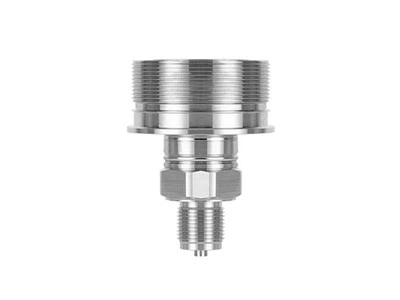
What is the noise level of a CSA pressure transmitter?
As a supplier of CSA pressure transmitters, I often get asked about the noise level of these devices. Understanding the noise level is crucial for many applications, as it can affect the accuracy and reliability of pressure measurements. In this blog post, I will delve into the concept of noise in CSA pressure transmitters, what causes it, and how it impacts performance.
Understanding Noise in Pressure Transmitters
Noise in a pressure transmitter refers to any unwanted electrical or mechanical signals that interfere with the accurate measurement of pressure. It can manifest as random fluctuations in the output signal, which can lead to errors in the pressure readings. These fluctuations can be caused by a variety of factors, including electrical interference, mechanical vibrations, and thermal effects.
The noise level of a pressure transmitter is typically measured in terms of root mean square (RMS) or peak-to-peak values. RMS noise represents the average power of the noise signal, while peak-to-peak noise indicates the maximum difference between the highest and lowest values of the noise signal over a given period.
Factors Affecting the Noise Level
Electrical Interference
One of the primary sources of noise in CSA pressure transmitters is electrical interference. This can come from a variety of sources, such as nearby electrical equipment, power lines, or radio frequency (RF) emissions. Electrical interference can cause the output signal of the pressure transmitter to fluctuate, leading to inaccurate pressure measurements.
To minimize electrical interference, pressure transmitters are often equipped with shielding and filtering components. These components help to block or reduce the effects of external electrical signals, ensuring that the output signal remains stable and accurate.
Mechanical Vibrations
Mechanical vibrations can also contribute to the noise level of a pressure transmitter. Vibrations can be caused by the operation of nearby machinery, the movement of the pressure transmitter itself, or even environmental factors such as wind or seismic activity. These vibrations can cause the internal components of the pressure transmitter to move, which can generate electrical signals that interfere with the pressure measurement.
To reduce the impact of mechanical vibrations, pressure transmitters are often designed with shock and vibration-resistant features. These features can include damping materials, flexible mounting options, and rugged enclosures that protect the internal components from external vibrations.
Thermal Effects
Thermal effects can also have an impact on the noise level of a pressure transmitter. Temperature changes can cause the electrical properties of the internal components to vary, which can lead to fluctuations in the output signal. Additionally, thermal expansion and contraction can cause mechanical stress on the components, which can also generate noise.
To minimize the effects of thermal changes, pressure transmitters are often designed with temperature compensation features. These features help to maintain the accuracy of the pressure measurement over a wide range of temperatures by adjusting the output signal to account for temperature variations.
Impact of Noise on Performance
The noise level of a CSA pressure transmitter can have a significant impact on its performance. High levels of noise can lead to inaccurate pressure measurements, which can have serious consequences in applications where precise pressure control is required. For example, in industrial processes, inaccurate pressure measurements can lead to product quality issues, equipment damage, and even safety hazards.
In addition to affecting the accuracy of the pressure measurement, noise can also reduce the resolution of the pressure transmitter. Resolution refers to the smallest change in pressure that the transmitter can detect. High levels of noise can make it difficult to distinguish between small changes in pressure, which can limit the effectiveness of the pressure transmitter in applications where fine-grained pressure control is necessary.
Measuring and Specifying Noise Level
When selecting a CSA pressure transmitter, it is important to consider the noise level specifications provided by the manufacturer. These specifications typically include the RMS noise level, peak-to-peak noise level, and the frequency range over which the noise is measured.
It is also important to note that the noise level of a pressure transmitter can vary depending on the operating conditions. For example, the noise level may increase at higher temperatures or in the presence of strong electrical interference. Therefore, it is important to choose a pressure transmitter that is designed to operate within the specific conditions of your application.
Our CSA Pressure Transmitters
At our company, we offer a range of CSA pressure transmitters that are designed to provide accurate and reliable pressure measurements with low noise levels. Our DMP305X-TLT Gauge Pressure Transmitter is a high-performance gauge pressure transmitter that features excellent noise immunity and stability. It is suitable for a wide range of industrial applications, including process control, hydraulic systems, and HVAC systems.


Our MDM7000LT Smart Level Transmitter is another popular product that offers accurate level measurement with low noise. It is designed for use in liquid level applications, such as water treatment plants, storage tanks, and chemical processing facilities.
For applications that require absolute pressure measurement, we offer the DMP305X-DST Absolute Pressure Transmitter. This transmitter provides accurate absolute pressure measurements with low noise and high stability, making it ideal for use in applications such as vacuum systems, altitude measurement, and gas pressure monitoring.
Conclusion
In conclusion, the noise level of a CSA pressure transmitter is an important factor to consider when selecting a device for your application. High levels of noise can lead to inaccurate pressure measurements and reduced resolution, which can have serious consequences in many industrial applications. By understanding the factors that contribute to noise and choosing a pressure transmitter with low noise levels, you can ensure that your pressure measurements are accurate and reliable.
If you are interested in learning more about our CSA pressure transmitters or would like to discuss your specific application requirements, please contact us. Our team of experts is available to provide you with detailed information and help you select the right pressure transmitter for your needs.
References
- Oppenheim, A. V., & Schafer, R. W. (1975). Digital Signal Processing. Prentice-Hall.
- Kress-Rogers, E. (1997). Handbook of Measurement in Science and Engineering. CRC Press.
- Doebelin, E. O. (2003). Measurement Systems: Application and Design. McGraw-Hill.