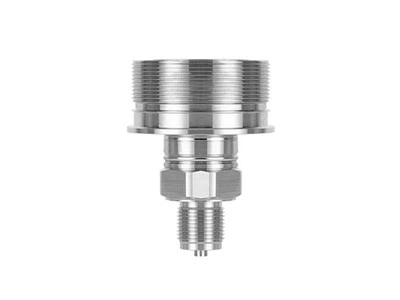
In the industrial landscape, pressure transmitters play a crucial role in a wide array of applications, from manufacturing and chemical processing to oil and gas exploration. As a pressure transmitter cost supplier, I often encounter a common question from our clients: "Do pressure transmitters with a low - power consumption cost more?" This blog post aims to delve into this question and provide a comprehensive analysis.
Understanding Pressure Transmitters and Power Consumption
Pressure transmitters are devices that convert pressure into an electrical signal. They are essential for monitoring and controlling pressure in various industrial processes. Power consumption is a significant factor in the operation of pressure transmitters, especially in applications where energy efficiency is a priority or where power sources are limited, such as in remote monitoring systems or battery - powered devices.
Low - power consumption pressure transmitters are designed to operate with minimal energy input. They typically use advanced semiconductor technology and optimized circuit designs to reduce power usage without sacrificing performance. This can lead to long - term cost savings in terms of energy bills and battery replacement, especially in applications where the transmitters are in continuous operation.
Factors Affecting the Cost of Pressure Transmitters
The cost of a pressure transmitter is influenced by several factors, and power consumption is just one of them. Here are some key factors that contribute to the overall cost:
1. Technology and Design
Advanced low - power technologies often require more sophisticated design and manufacturing processes. For example, pressure transmitters with low - power consumption may use microelectromechanical systems (MEMS) technology, which allows for the integration of sensors and electronics on a single chip. This miniaturization and integration can lead to higher production costs due to the complexity of the manufacturing process.
2. Performance and Accuracy
High - performance pressure transmitters, whether they are low - power or not, generally cost more. Low - power transmitters are often required to maintain a high level of accuracy and reliability, which may involve additional calibration, testing, and quality control measures. For instance, our DMP305X - DST Differential Pressure Transmitter is designed to provide accurate differential pressure measurements while consuming relatively low power. The precision engineering and calibration processes involved in ensuring its high accuracy contribute to its cost.
3. Materials and Build Quality
The materials used in the construction of pressure transmitters can significantly impact their cost. High - quality materials are often more expensive but offer better durability, corrosion resistance, and performance. Low - power transmitters may require special materials to ensure efficient operation and long - term reliability. For example, the housing of a pressure transmitter may be made of stainless steel or other corrosion - resistant alloys, which are more costly than standard plastics.
4. Application - Specific Requirements
Some applications have unique requirements that can drive up the cost of pressure transmitters. For example, in hazardous environments, pressure transmitters need to meet strict safety standards, such as explosion - proof ratings. Low - power transmitters designed for these applications may require additional safety features and certifications, increasing their cost. Our DMP305X - TST - S Absolute Pressure Transmitter can be customized to meet specific application requirements, and any additional features or certifications will affect its price.
Do Low - Power Consumption Pressure Transmitters Cost More?
In general, pressure transmitters with low - power consumption tend to cost more upfront compared to their higher - power counterparts. This is mainly due to the advanced technology, design, and materials required to achieve low power usage while maintaining performance. However, it is important to consider the long - term cost implications.
Low - power transmitters can result in significant cost savings over their lifespan. In applications where energy costs are high or where battery replacement is frequent, the reduced power consumption can lead to lower operating expenses. For example, in a remote monitoring system powered by solar panels and batteries, a low - power pressure transmitter can extend the battery life, reducing the frequency of battery replacements and maintenance costs.
Moreover, in some industries, energy - efficient devices are eligible for incentives or rebates. This can further offset the initial higher cost of low - power pressure transmitters.
Comparing Different Types of Pressure Transmitters
Let's take a look at some of the pressure transmitters we offer and how their power consumption and cost compare.
SMP858 - TST - S Gauge Pressure Transmitter
This gauge pressure transmitter is designed for high - accuracy measurements. It uses advanced technology to achieve relatively low power consumption while providing reliable performance. The initial cost of the SMP858 - TST - S is higher than some standard gauge pressure transmitters, but its low power usage can lead to long - term savings, especially in applications where it operates continuously.
2035 Multivariable Transmitter
The 2035 Multivariable Transmitter is a versatile device that measures multiple variables, including pressure, temperature, and flow. It is engineered to be energy - efficient, with a low - power consumption design. The cost of this transmitter reflects its advanced features and the technology used to achieve low power consumption. However, the ability to measure multiple variables in one device can lead to cost savings in terms of installation and maintenance.


SMP858 - NST Differential Pressure Transmitter
This differential pressure transmitter offers high - performance and low - power operation. The design of the SMP858 - NST incorporates advanced materials and technology to reduce power consumption. While it may have a higher upfront cost, the long - term savings in energy and maintenance make it a cost - effective choice for many applications.
Making the Right Decision
When considering whether to invest in a low - power consumption pressure transmitter, it is essential to conduct a cost - benefit analysis. Consider the following factors:
1. Energy Costs
Evaluate the energy costs associated with your application. If energy is expensive or if the transmitter will operate continuously, a low - power transmitter may be a more cost - effective choice in the long run.
2. Lifecycle Costs
Look beyond the initial purchase price and consider the total cost of ownership, including maintenance, calibration, and replacement costs. Low - power transmitters may have lower lifecycle costs due to reduced energy consumption and longer battery life.
3. Application Requirements
Ensure that the pressure transmitter meets the specific requirements of your application, such as accuracy, reliability, and environmental conditions. Sometimes, a higher - power transmitter may be more suitable if it can better meet these requirements.
Contact Us for Your Pressure Transmitter Needs
As a pressure transmitter cost supplier, we offer a wide range of pressure transmitters with different power consumption levels and features. Our team of experts is ready to help you choose the right pressure transmitter for your application and budget.
If you are interested in learning more about our pressure transmitters or need assistance in making a purchase decision, please feel free to contact us for procurement and negotiation. We will provide you with detailed information and competitive pricing.
References
- "Industrial Pressure Transmitters: Principles and Applications". A technical guidebook on pressure transmitter technology.
- "Energy - Efficient Design in Industrial Sensors". Research paper on the development of low - power sensors in the industrial sector.
- Manufacturer's datasheets for DMP305X - DST, DMP305X - TST - S, SMP858 - TST - S, 2035 Multivariable Transmitter, and SMP858 - NST pressure transmitters.