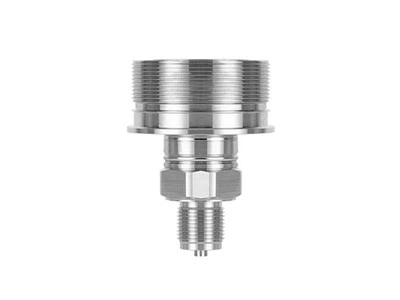
In the realm of short - distance transmission, optimizing the performance of a differential transmitter is crucial for ensuring accurate data transfer and reliable operation. As a differential transmitter supplier, I've witnessed firsthand the significance of these devices in various industries, from industrial automation to environmental monitoring. In this blog, I'll share some key strategies to enhance the performance of differential transmitters in short - distance transmission scenarios.
Understanding Differential Transmitters
Before delving into optimization techniques, it's essential to understand what a differential transmitter is and how it works. A differential transmitter measures the difference in pressure, voltage, or other physical quantities between two points. It then converts this difference into an electrical signal, which can be transmitted to a control system or other monitoring devices.
Differential transmitters are widely used in applications where accurate measurement of small differences is required. For example, in HVAC systems, they can measure the pressure difference across a filter to determine when it needs to be replaced. In industrial processes, they can monitor the pressure drop across a valve or a pipe to ensure proper flow.
Challenges in Short - Distance Transmission
While short - distance transmission may seem straightforward, there are several challenges that can affect the performance of differential transmitters. One of the main challenges is electrical interference. In industrial environments, there are often many sources of electromagnetic interference (EMI), such as motors, transformers, and power lines. These EMI sources can introduce noise into the transmitted signal, leading to inaccurate measurements.
Another challenge is signal attenuation. Even over short distances, the electrical signal can lose strength due to resistance in the cables and connectors. This attenuation can reduce the signal - to - noise ratio (SNR), making it more difficult for the receiving end to accurately interpret the signal.
Optimization Strategies
1. Selecting the Right Transmitter
The first step in optimizing the performance of a differential transmitter is to select the right one for the application. Different transmitters have different specifications, such as measurement range, accuracy, and output signal type. It's important to choose a transmitter that can handle the expected pressure or voltage differences and provide the required level of accuracy.
For example, if you need to measure small pressure differences in a cleanroom environment, you might consider the DMP305X - DST Differential Pressure Transmitter. This transmitter offers high accuracy and is suitable for applications where precise measurements are critical. On the other hand, if you need to measure absolute pressure in a harsh industrial environment, the DMP305X - DST Absolute Pressure Transmitter might be a better choice.
2. Proper Cable Selection and Installation
The choice of cables and their installation can have a significant impact on the performance of the differential transmitter. To minimize signal attenuation and interference, it's recommended to use shielded cables. Shielded cables have a conductive layer that helps to block EMI and reduce noise.
When installing the cables, make sure to keep them away from sources of EMI. Avoid running the cables parallel to power lines or other high - voltage conductors. Also, ensure that the cables are properly grounded to prevent static buildup and reduce the risk of electrical interference.
3. Signal Conditioning
Signal conditioning is an important step in optimizing the performance of a differential transmitter. Signal conditioning involves amplifying the signal, filtering out noise, and adjusting the signal level to match the input requirements of the receiving device.


Amplification can help to boost the signal strength, especially if there is significant attenuation over the transmission distance. Filtering can remove unwanted frequencies from the signal, improving the SNR. There are various types of filters available, such as low - pass filters, high - pass filters, and band - pass filters. The choice of filter depends on the frequency characteristics of the signal and the noise.
4. Calibration
Regular calibration is essential to ensure the accuracy of the differential transmitter. Over time, the performance of the transmitter can drift due to factors such as temperature changes, component aging, and mechanical stress. Calibration involves comparing the output of the transmitter with a known reference value and adjusting the transmitter's settings to correct any errors.
It's recommended to calibrate the transmitter at regular intervals, depending on the application and the manufacturer's recommendations. Some transmitters have built - in calibration features that allow for easy and accurate calibration.
5. Environmental Considerations
The environment in which the differential transmitter operates can also affect its performance. Temperature, humidity, and vibration are some of the environmental factors that can impact the accuracy and reliability of the transmitter.
For example, high temperatures can cause the components in the transmitter to expand, leading to changes in the electrical characteristics. Humidity can cause corrosion and short - circuits, especially in exposed electrical connections. Vibration can loosen the components and affect the mechanical stability of the transmitter.
To mitigate the effects of the environment, it's important to choose a transmitter that is designed to operate in the specific environmental conditions. Some transmitters are rated for harsh environments and have features such as rugged enclosures, temperature compensation, and vibration resistance.
Conclusion
Optimizing the performance of a differential transmitter in short - distance transmission requires a comprehensive approach that includes selecting the right transmitter, proper cable selection and installation, signal conditioning, calibration, and considering the environmental factors. By implementing these strategies, you can ensure accurate and reliable data transfer, which is essential for the proper operation of industrial processes and monitoring systems.
If you're interested in learning more about our differential transmitters or have specific requirements for your application, we invite you to contact us for a detailed discussion. Our team of experts is ready to assist you in selecting the best solution for your needs and optimizing its performance. We also offer the SMP858 - DST Differential Pressure Transmitter, which is a high - performance option suitable for a wide range of applications.
References
- "Industrial Instrumentation and Control Systems" by R. K. Rajput
- "Electromagnetic Compatibility Engineering" by Henry W. Ott
- Manufacturer's datasheets for DMP305X - DST Absolute Pressure Transmitter, DMP305X - DST Differential Pressure Transmitter, and SMP858 - DST Differential Pressure Transmitter