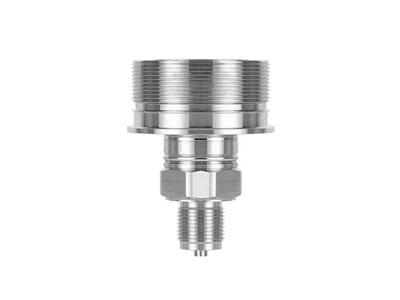
Hey there! As a pressure sensor supplier, I've seen firsthand how crucial it is to keep these little gadgets in tip - top shape. Pressure sensors are used in a whole bunch of industries, from automotive to aerospace, and they play a super important role in making sure things run smoothly. So, let's talk about how to maintain a pressure sensor.
Understanding Your Pressure Sensor
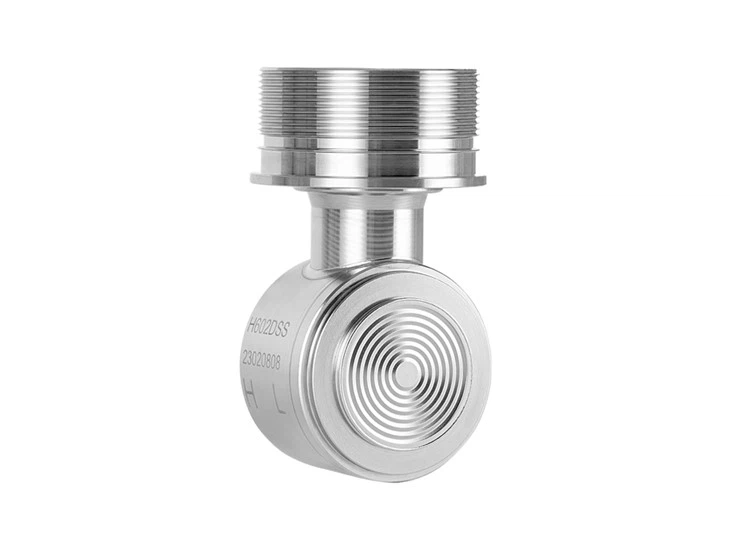
First off, it's essential to know what kind of pressure sensor you've got. We offer a wide range of sensors, like the SPH19D Differential Pressure Sensor, the SP38D UART Monosilicon Pressure Sensor, the SP38MH Multivariable Sensor For Flow Measurement, the SP38H Pressure Sensor, and the SP38M UART Output Multivariable Sensor. Each type has its own unique features and requirements.
For instance, differential pressure sensors measure the difference in pressure between two points. They're often used in HVAC systems to monitor air flow. On the other hand, monosilicon pressure sensors are known for their high precision and are commonly used in medical devices. Knowing your sensor's type helps you understand its specific needs and how to take care of it.
Installation
Proper installation is the first step in maintaining a pressure sensor. When you're installing the sensor, make sure it's in the right location. It should be away from sources of vibration, extreme temperatures, and corrosive substances. If the sensor is exposed to too much vibration, it can cause the internal components to loosen up over time, leading to inaccurate readings.
Also, follow the manufacturer's instructions carefully. This includes things like the correct torque when tightening fittings. Over - tightening can damage the sensor, while under - tightening can cause leaks. And don't forget to use the right kind of seals and gaskets. Using the wrong ones can lead to pressure leaks and affect the sensor's performance.
Regular Inspections
Regular inspections are a must. You should check the sensor visually on a regular basis. Look for any signs of physical damage, like cracks or dents. If you notice any damage, it's best to replace the sensor as soon as possible. A damaged sensor can give inaccurate readings, which can be a big problem in many applications.
Check the wiring too. Loose or damaged wires can cause electrical issues, which can also affect the sensor's performance. Make sure all the connections are tight and there are no frayed wires. If you find any wiring problems, fix them right away.
Cleaning
Cleaning your pressure sensor is important to keep it working properly. However, you need to be careful when cleaning. Use a mild cleaning solution and a soft cloth. Avoid using abrasive materials that can scratch the sensor.
If the sensor is in a dirty or dusty environment, you may need to clean it more frequently. For example, in industrial settings where there's a lot of dust and debris, the sensor can get clogged. A clogged sensor won't be able to measure pressure accurately. So, make sure to remove any dirt or debris from the sensor's ports and surfaces.
Calibration
Calibration is another key aspect of pressure sensor maintenance. Over time, a pressure sensor can drift from its original calibration. This means that the readings it gives may not be as accurate as they used to be. To ensure accurate measurements, you need to calibrate the sensor regularly.
The frequency of calibration depends on several factors, such as the application, the environment, and the manufacturer's recommendations. In some critical applications, like in the medical or aerospace industries, the sensor may need to be calibrated more often. You can use a calibration device to adjust the sensor's output to match a known pressure value.
Protecting from Environmental Factors
Environmental factors can have a big impact on a pressure sensor's lifespan and performance. Temperature is one of the most important factors. Extreme temperatures can cause the sensor's materials to expand or contract, which can affect its accuracy. If the sensor is going to be used in a high - temperature environment, make sure it's rated for that temperature range. You may also need to use additional cooling or heating systems to keep the sensor within its operating temperature.
Humidity is another factor to consider. High humidity can cause corrosion, especially if the sensor is made of metal. You can use protective coatings or enclosures to protect the sensor from moisture. And if the sensor is used in a corrosive environment, like in a chemical plant, choose a sensor that's made of corrosion - resistant materials.
Storage
If you're not using the pressure sensor for a while, proper storage is important. Store the sensor in a clean, dry place. Keep it away from direct sunlight and extreme temperatures. You can also use a protective case to prevent any physical damage during storage.
Troubleshooting
Even with proper maintenance, you may still run into problems with your pressure sensor. If you notice that the readings are inaccurate or the sensor isn't working at all, there are a few things you can do.

First, check the power supply. Make sure the sensor is getting the right amount of power. A low - power supply can cause the sensor to malfunction. Then, check the connections again. Make sure all the wires are properly connected and there are no loose or damaged connections.
If the problem persists, it may be a more serious issue. In that case, it's best to contact a professional or the manufacturer for further assistance.
Conclusion
Maintaining a pressure sensor isn't rocket science, but it does require some attention. By following these tips, you can keep your pressure sensor in good condition and ensure accurate measurements for a long time.
If you're in the market for a high - quality pressure sensor, or if you have any questions about sensor maintenance, don't hesitate to reach out. We're here to help you find the right sensor for your needs and provide you with all the support you need. Whether it's the SPH19D Differential Pressure Sensor, the SP38D UART Monosilicon Pressure Sensor, or any of our other great products, we've got you covered. Let's start a conversation and see how we can work together to meet your pressure sensing requirements!
References
- General knowledge from the pressure sensor industry
- Manufacturer's guidelines for pressure sensor maintenance