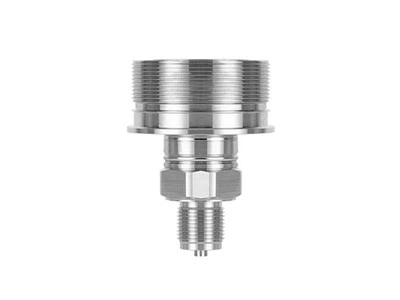
Installing an explosion-proof (Ex proof) pressure sensor in a confined space requires careful planning, adherence to safety standards, and a systematic approach. As a reliable supplier of Ex proof pressure sensors, we understand the challenges and intricacies involved in such installations. In this blog post, we'll guide you through the step-by-step process of installing an Ex proof pressure sensor in a confined space, ensuring optimal performance and safety.
Understanding the Environment
Before you start the installation process, it's crucial to understand the nature of the confined space where the pressure sensor will be installed. Confined spaces are typically characterized by limited access, poor ventilation, and potential hazards such as toxic gases, flammable substances, or high temperatures. Conduct a thorough risk assessment of the area to identify any potential safety risks and take appropriate precautions to mitigate them.
Selecting the Right Sensor
Choosing the right Ex proof pressure sensor is essential for accurate and reliable pressure measurements in a confined space. Consider the following factors when selecting a sensor:


- Explosion Protection: Ensure that the sensor is certified for use in explosive environments. Look for sensors with appropriate explosion protection ratings, such as Ex d (flameproof) or Ex ia (intrinsically safe).
- Pressure Range: Select a sensor with a pressure range that matches the application requirements. Consider factors such as the maximum and minimum pressure levels, pressure fluctuations, and the accuracy required for the measurement.
- Size and Compatibility: Choose a sensor that is compact enough to fit in the confined space and compatible with the existing instrumentation and control systems. Our company offers a wide range of compact pressure transmitters, including the SMP131-TSD-S Gauge Pressure Transmitter, SMP131-TCD(H) Gauge Pressure Transmitter, and SMP131-TLD(H) Absolute Pressure Transmitter, which are designed for use in confined spaces.
Preparing for Installation
Once you have selected the right sensor, it's time to prepare for the installation. Here are the steps you should follow:
- Gather the Necessary Tools and Equipment: Collect all the tools and equipment you'll need for the installation, including a wrench, screwdriver, cable cutter, and electrical tape. Make sure you have the appropriate safety gear, such as gloves, goggles, and a respirator, if required.
- Read the Installation Manual: Carefully read the installation manual provided by the sensor manufacturer. The manual contains important information about the installation process, wiring diagrams, and safety precautions.
- Shut Down the System: Before you start the installation, shut down the system and isolate the pressure source to prevent any accidents or damage to the sensor.
- Clean the Installation Area: Clean the installation area to remove any dirt, debris, or contaminants that could affect the performance of the sensor.
Installing the Sensor
Now that you have prepared for the installation, it's time to install the sensor. Follow these steps:
- Mount the Sensor: Mount the sensor securely in the confined space using the appropriate mounting hardware. Make sure the sensor is level and properly aligned to ensure accurate pressure measurements.
- Connect the Pressure Line: Connect the pressure line to the sensor using the appropriate fittings. Make sure the connections are tight and leak-free to prevent any pressure losses or inaccurate measurements.
- Connect the Electrical Wiring: Connect the electrical wiring to the sensor according to the wiring diagram provided in the installation manual. Make sure the wiring is properly insulated and protected to prevent any electrical hazards.
- Test the Sensor: Once the sensor is installed and wired, test it to ensure that it is working properly. Apply a known pressure to the sensor and check the output reading using a calibrated pressure gauge or a data acquisition system.
Calibrating the Sensor
After the sensor is installed and tested, it's important to calibrate it to ensure accurate and reliable pressure measurements. Calibration involves adjusting the sensor's output to match a known pressure value. Here are the steps you should follow:
- Check the Calibration Certificate: Before you start the calibration process, check the calibration certificate provided by the sensor manufacturer. The certificate contains information about the sensor's calibration date, calibration range, and accuracy.
- Use a Calibrated Pressure Source: Use a calibrated pressure source, such as a deadweight tester or a pressure calibrator, to apply a known pressure to the sensor. Make sure the pressure source is accurate and reliable.
- Adjust the Sensor Output: Adjust the sensor's output using the calibration potentiometers or the digital calibration interface provided by the sensor manufacturer. Make sure the output reading matches the known pressure value within the specified accuracy range.
- Record the Calibration Data: Record the calibration data, including the pressure values, output readings, and calibration adjustments, for future reference.
Troubleshooting and Maintenance
Even with proper installation and calibration, Ex proof pressure sensors may sometimes experience problems or require maintenance. Here are some common troubleshooting tips and maintenance procedures:
- Check the Power Supply: If the sensor is not working, check the power supply to ensure that it is providing the correct voltage and current.
- Check the Wiring Connections: Check the wiring connections to ensure that they are tight and properly insulated. Loose or damaged connections can cause inaccurate measurements or electrical hazards.
- Check the Pressure Line: Check the pressure line to ensure that it is free from blockages or leaks. A blocked or leaking pressure line can cause inaccurate measurements or damage to the sensor.
- Clean the Sensor: Clean the sensor regularly to remove any dirt, debris, or contaminants that could affect its performance. Use a soft cloth or a mild cleaning solution to clean the sensor.
- Replace the Sensor: If the sensor is damaged or malfunctioning, replace it with a new one. Make sure the replacement sensor is compatible with the existing instrumentation and control systems.
Conclusion
Installing an Ex proof pressure sensor in a confined space requires careful planning, adherence to safety standards, and a systematic approach. By following the steps outlined in this blog post, you can ensure that the sensor is installed correctly, calibrated accurately, and maintained properly, providing reliable pressure measurements in a hazardous environment. If you have any questions or need further assistance with the installation or maintenance of an Ex proof pressure sensor, please [contact us]([insert contact page URL here]). Our team of experts is always ready to help you find the right solution for your application.
References
- [Manufacturer's Installation Manual for Ex proof Pressure Sensors]
- [Industry Standards for Explosion Protection in Hazardous Environments]
- [Best Practices for Pressure Sensor Installation and Calibration]