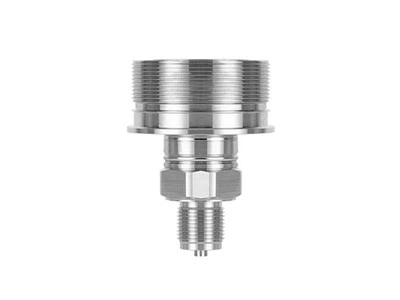
Installing a remote seal transmitter on a pump is a crucial process that requires careful planning and execution. As a remote seal transmitter supplier, I understand the importance of providing clear and detailed guidance to ensure a successful installation. In this blog post, I will walk you through the steps of installing a remote seal transmitter on a pump, highlighting key considerations and best practices along the way.
Step 1: Preparation
Before you begin the installation process, it's essential to gather all the necessary tools and materials. This includes the remote seal transmitter, mounting hardware, piping components, and any other accessories required for the specific installation. Make sure to review the manufacturer's installation instructions and specifications to ensure you have everything you need.
Additionally, it's important to assess the installation site and determine the best location for the remote seal transmitter. Consider factors such as accessibility, proximity to the pump, and the potential for environmental factors such as vibration, temperature, and humidity to affect the performance of the transmitter.
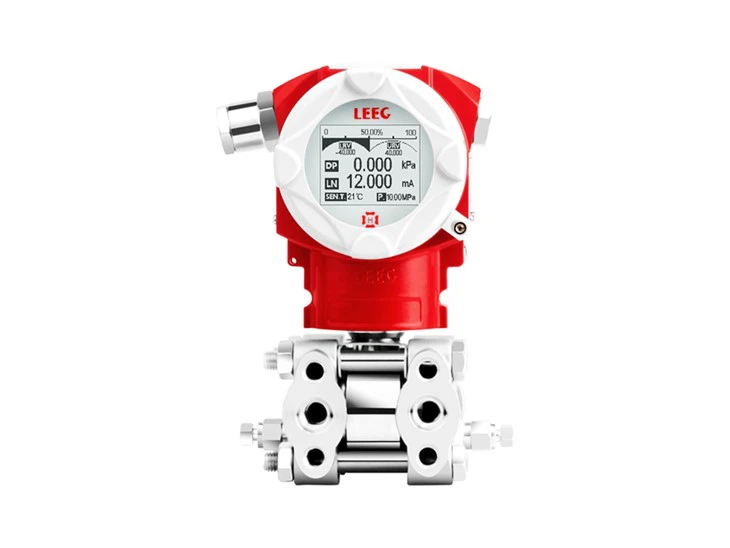

Step 2: Mounting the Transmitter
Once you have prepared the installation site and gathered all the necessary tools and materials, it's time to mount the remote seal transmitter. The mounting process may vary depending on the type of transmitter and the specific installation requirements. However, the following general steps can be followed:
- Select the Mounting Location: Choose a suitable location on the pump or adjacent piping where the transmitter can be securely mounted. Ensure that the mounting surface is flat, clean, and free of any debris or contaminants.
- Attach the Mounting Bracket: Use the provided mounting hardware to attach the mounting bracket to the selected location. Make sure the bracket is level and securely fastened to prevent any movement or vibration during operation.
- Install the Transmitter: Carefully place the remote seal transmitter on the mounting bracket and align it with the mounting holes. Use the provided bolts or screws to secure the transmitter to the bracket. Make sure the transmitter is tightly fastened to prevent any leaks or松动.
- Connect the Piping: Connect the process piping to the remote seal transmitter using the appropriate fittings and gaskets. Make sure the connections are tight and secure to prevent any leaks. Follow the manufacturer's instructions for the proper torque values and tightening procedures.
Step 3: Electrical Connection
Once the remote seal transmitter is mounted and the piping is connected, it's time to make the electrical connection. This involves connecting the power supply and the signal output of the transmitter to the appropriate terminals. The following steps can be followed for the electrical connection:
- Turn Off the Power: Before making any electrical connections, make sure the power supply to the pump and the transmitter is turned off. This will prevent any electrical shock or damage to the equipment.
- Identify the Terminals: Refer to the manufacturer's wiring diagram to identify the power supply and signal output terminals on the transmitter. Make sure you understand the polarity and voltage requirements of the transmitter before making any connections.
- Connect the Power Supply: Connect the power supply wires to the appropriate terminals on the transmitter. Make sure the connections are tight and secure to prevent any electrical arcing or short circuits.
- Connect the Signal Output: Connect the signal output wires to the appropriate terminals on the receiving device, such as a control panel or a data logger. Make sure the connections are tight and secure to prevent any signal loss or interference.
- Insulate the Connections: Once the electrical connections are made, use electrical tape or heat shrink tubing to insulate the connections. This will prevent any electrical shock or damage to the equipment.
Step 4: Calibration and Testing
After the remote seal transmitter is installed and the electrical connection is made, it's time to calibrate and test the transmitter. Calibration is the process of adjusting the transmitter to ensure accurate measurement of the process variable. Testing is the process of verifying the performance of the transmitter under actual operating conditions. The following steps can be followed for calibration and testing:
- Perform a Zero and Span Calibration: Use a calibration device to perform a zero and span calibration of the remote seal transmitter. This will adjust the transmitter to read zero when the process variable is zero and to read the full-scale value when the process variable is at its maximum.
- Verify the Output Signal: Use a multimeter or a data logger to verify the output signal of the transmitter. Make sure the output signal is within the specified range and is proportional to the process variable.
- Test the Transmitter under Actual Operating Conditions: Start the pump and operate it at different flow rates and pressures. Monitor the output signal of the transmitter and compare it to the actual process variable. Make sure the transmitter is providing accurate and reliable measurements under all operating conditions.
- Make any Necessary Adjustments: If the transmitter is not providing accurate measurements, make any necessary adjustments to the calibration or the installation. Repeat the calibration and testing process until the transmitter is providing accurate and reliable measurements.
Step 5: Commissioning and Maintenance
Once the remote seal transmitter is installed, calibrated, and tested, it's time to commission the transmitter and incorporate it into the overall pump system. Commissioning involves verifying the performance of the transmitter and the pump system under normal operating conditions. Maintenance involves regular inspection, cleaning, and calibration of the transmitter to ensure its continued reliable performance. The following steps can be followed for commissioning and maintenance:
- Verify the Performance of the Transmitter and the Pump System: Monitor the performance of the remote seal transmitter and the pump system under normal operating conditions. Make sure the transmitter is providing accurate and reliable measurements and that the pump system is operating efficiently.
- Incorporate the Transmitter into the Overall Pump System: Integrate the remote seal transmitter into the overall pump system by connecting it to the control panel or the data logger. Make sure the transmitter is providing the necessary information to the control system to optimize the performance of the pump system.
- Perform Regular Maintenance and Calibration: Establish a regular maintenance schedule for the remote seal transmitter. This should include regular inspection, cleaning, and calibration of the transmitter to ensure its continued reliable performance. Follow the manufacturer's recommendations for maintenance and calibration procedures.
- Replace any Worn or Damaged Components: If any components of the remote seal transmitter are worn or damaged, replace them immediately. This will prevent any malfunction or failure of the transmitter and ensure the continued reliable performance of the pump system.
Key Considerations and Best Practices
When installing a remote seal transmitter on a pump, there are several key considerations and best practices that should be followed to ensure a successful installation. These include:
- Select the Right Transmitter: Choose a remote seal transmitter that is suitable for the specific application and the process conditions. Consider factors such as the type of process variable being measured, the range of the process variable, the accuracy and reliability requirements, and the environmental conditions.
- Follow the Manufacturer's Instructions: Always follow the manufacturer's installation instructions and specifications when installing the remote seal transmitter. This will ensure that the transmitter is installed correctly and that it operates safely and efficiently.
- Use the Right Tools and Materials: Use the right tools and materials for the installation process. This will ensure that the connections are tight and secure and that the transmitter is installed correctly.
- Ensure Proper Grounding: Make sure the remote seal transmitter is properly grounded to prevent any electrical interference or damage to the equipment.
- Protect the Transmitter from Environmental Factors: Protect the remote seal transmitter from environmental factors such as vibration, temperature, and humidity. This will ensure the continued reliable performance of the transmitter.
- Train the Operators: Provide training to the operators on the proper use and maintenance of the remote seal transmitter. This will ensure that the transmitter is operated safely and efficiently and that any problems or issues are addressed promptly.
Conclusion
Installing a remote seal transmitter on a pump is a complex process that requires careful planning and execution. By following the steps outlined in this blog post and adhering to the key considerations and best practices, you can ensure a successful installation and the continued reliable performance of the remote seal transmitter.
If you are in the market for a remote seal transmitter, SMP858-NST Differential Pressure Transmitter, SMP858-TST-S Gauge Pressure Transmitter and 2035 Multivariable Transmitter are our high - quality products you can consider. Contact us for more information about our remote seal transmitters and to discuss your specific needs and requirements. We are here to help you find the right solution for your application.
References
- Manufacturer's Installation and Operation Manuals for Remote Seal Transmitters
- Industry Standards and Guidelines for Pressure Transmitter Installation