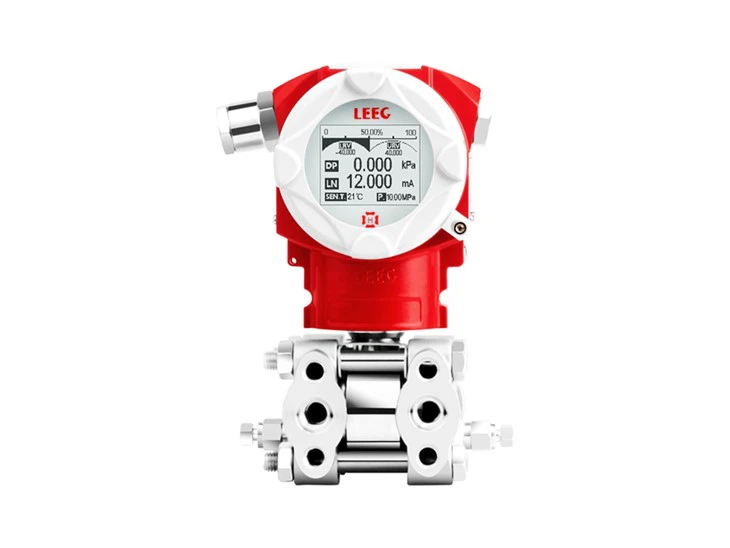
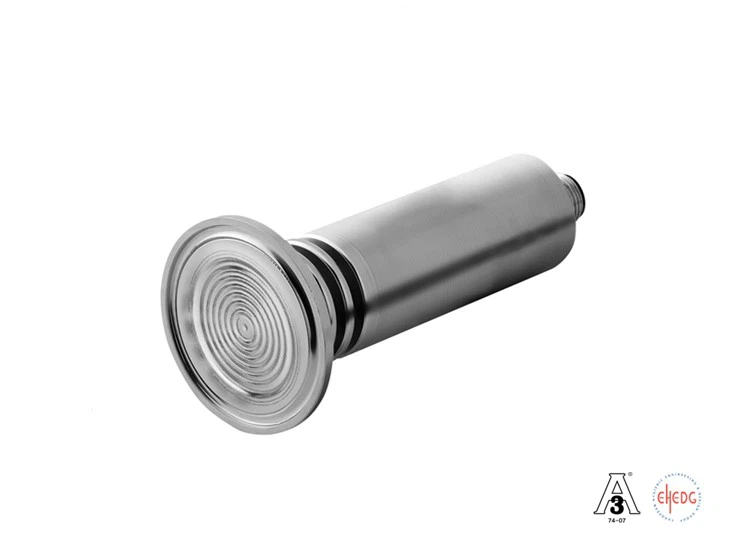
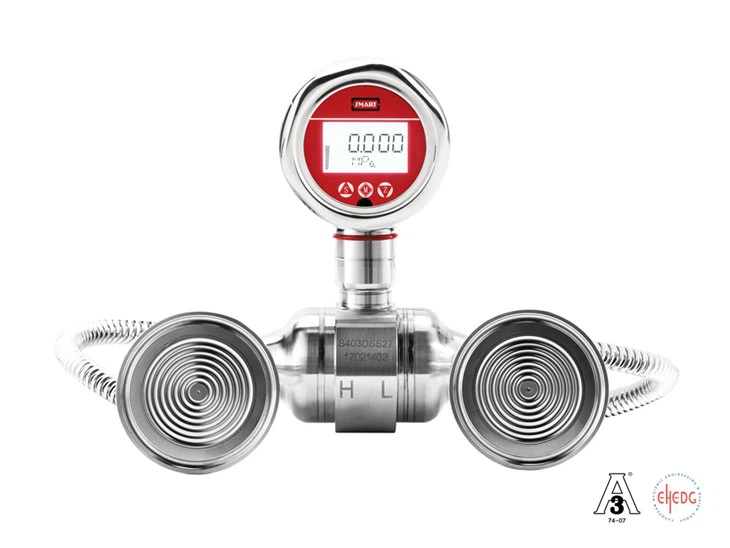
Yo! As a supplier of DPT (Differential Pressure Transmitter) stuff, I've seen it all when it comes to using these transmitters in various situations. One tricky scenario is using them in sub-zero temperatures. It's not as straightforward as using them in normal conditions, and there are some really important special considerations we gotta talk about.
Let's start with the basics. Sub-zero temperatures can have a huge impact on the performance of a DPT transmitter. First off, the materials these transmitters are made of can be affected. Most transmitters have components like diaphragms, which are super important for measuring pressure. In cold, cold environments, the material of the diaphragm can become more brittle. If it gets too cold, it might even crack. And once that diaphragm is cracked, well, your transmitter is basically toast. It won't be able to accurately measure the differential pressure, and you'll start getting all sorts of wonky readings.
Another thing is the fill fluid inside the transmitter. You see, many DPT transmitters use a fill fluid to transfer the pressure from the diaphragm to the sensing element. In sub-zero temperatures, this fluid can thicken up or even freeze. When the fluid freezes, it can cause the diaphragm to get stuck, and the pressure transfer process breaks down. This means the readings you get from the transmitter won't reflect the actual differential pressure in the system. So, you really need to make sure the fill fluid is suitable for cold temperatures. Some special fluids are designed to stay in a liquid state and maintain their viscosity even at extremely low temperatures.
Now, let's talk about electronics. DPT transmitters have a whole bunch of electronic components in them, like sensors, amplifiers, and processors. These electronics are sensitive to temperature changes. In sub-zero conditions, the electrical properties of the components can change. For example, the resistance of resistors might change, and the capacitance of capacitors can also vary. This can lead to errors in the signal processing, and the output of the transmitter can be inaccurate.
To deal with these issues, we've got some of our top-notch transmitters that are designed to handle sub-zero temperatures like champs. The DMP305X-DST Absolute Pressure Transmitter is one of them. It's built with high-quality materials that can withstand the cold without losing their integrity. The design of this transmitter takes into account the potential problems caused by low temperatures. The diaphragm is made of a tough material that resists brittleness even in freezing conditions. And the fill fluid used in it is carefully selected to remain functional in sub-zero temperatures.


Another great option is the DMP305X-TST-S Absolute Pressure Transmitter. This transmitter has advanced electronic components that are calibrated to work accurately in cold environments. The circuitry is designed to minimize the effects of temperature-induced changes in electrical properties. So, you can rely on it to give you accurate readings even when it's freezing outside.
Installation also plays a big role when using DPT transmitters in sub-zero temperatures. You wanna make sure the transmitter is installed in a location where it's protected from direct exposure to the cold. You might need to use insulation to keep the transmitter warm. A simple insulation wrap can go a long way in preventing the internal components from getting too cold. And if possible, try to install the transmitter indoors or in a temperature-controlled environment, even if it's just a small enclosure.
Calibration is another key factor. You need to calibrate your DPT transmitter specifically for sub-zero temperatures. The calibration process ensures that the transmitter is giving accurate readings at the low temperatures it'll be operating in. Regular calibration checks are a must. As the transmitter ages and the environment changes, its performance can deviate from the initial calibration. By doing regular checks, you can catch any issues early and make the necessary adjustments.
Maintenance is something you can't ignore. In sub-zero temperatures, the stress on the transmitter is higher. So, you need to do more frequent maintenance checks. Look for signs of wear and tear, especially on the diaphragm and the external casing. If there are any signs of damage, replace the parts immediately. And keep an eye on the fill fluid level. If it's low, top it up with the appropriate fluid.
Let's talk about the power supply. Cold temperatures can affect the battery life and the performance of the power supply to the transmitter. If you're using a battery-powered transmitter, make sure the batteries are rated for low-temperature use. Some batteries lose their charge quickly in cold conditions, so you might need to use special cold-weather batteries. And if you're using a wired power supply, check the cables regularly for any signs of damage due to the cold.
Communication is also important. Many DPT transmitters are connected to a control system or a monitoring device. Cold temperatures can interfere with the communication signals. You need to ensure that the communication cables are properly insulated and rated for low-temperature use. If there are wireless communication options, make sure the transmitters and receivers are designed to work in cold conditions.
In summary, using a DPT transmitter in sub-zero temperatures is no walk in the park. But with the right considerations, the appropriate equipment like the DMP305X-DST Absolute Pressure Transmitter and DMP305X-TST-S Absolute Pressure Transmitter, and proper installation, calibration, and maintenance, you can make it work smoothly.
If you're in the market for a DPT transmitter that can handle sub-zero temperatures, we're here to help. Whether you're dealing with industrial processes in cold climates or any other application that requires accurate differential pressure measurement in low temperatures, we've got the solutions for you. Reach out to us to discuss your needs and we'll work together to find the best transmitter for your situation.
References:
- Industry standards on pressure transmitter operation in low temperatures.
- Manufacturer's guidelines for DPT transmitters.