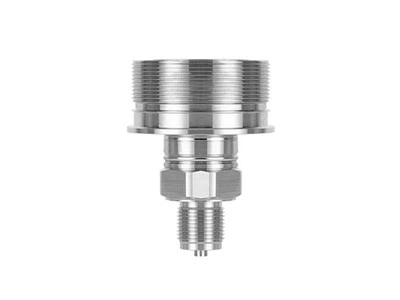
Sanitary pressure sensors are crucial components in various industries, especially those involving food, beverage, pharmaceutical, and biotechnology production. In these sectors, maintaining strict hygiene standards is paramount to ensure the quality and safety of products. One common question that arises is whether a sanitary pressure sensor can be sterilized. In this blog post, I'll delve into this topic and provide insights based on our experience as a sanitary pressure sensor supplier.
Understanding the Importance of Sensors Sterilization
Sterilization in sanitary process applications aims to eliminate all forms of microbial life, including bacteria, viruses, and fungi, from the equipment surface. In industries such as food and pharmaceuticals, even the slightest microbial contamination can lead to product spoilage, compromised quality, and potential health risks to consumers.
Pressure sensors are often in direct contact with the process media, making them potential breeding grounds for microorganisms. Therefore, the ability to sterilize these sensors is essential to prevent cross - contamination between batches of products and to comply with strict regulatory requirements.
Can Sanitary Pressure Sensors Be Sterilized?
The short answer is yes, sanitary pressure sensors can be sterilized. However, the sterilization process's success depends on several factors, including the sensor's design, materials of construction, and the sterilization method used.
Design and Material Considerations
A well - designed sanitary pressure sensor typically features a smooth, crevice - free surface. This design is crucial because it minimizes the areas where microorganisms can adhere and grow. Additionally, the materials used in the sensor's construction must be compatible with the sterilization methods.
Common materials for sanitary pressure sensors include stainless steel, which is highly resistant to corrosion and can withstand various sterilization processes. The diaphragm, which is in direct contact with the process media, is often made of a material like ceramic or stainless steel. These materials are not only chemically resistant but also can endure high temperatures and pressures associated with sterilization.
Sterilization Methods
There are several methods available for sterilizing sanitary pressure sensors, each with its own set of advantages and limitations.
Steam Sterilization
Steam sterilization is one of the most widely used methods in the industry. It involves exposing the sensor to high - pressure steam at a temperature of around 121 - 134°C (250 - 273°F) for a specific period. This high - temperature environment is effective in killing a wide range of microorganisms.
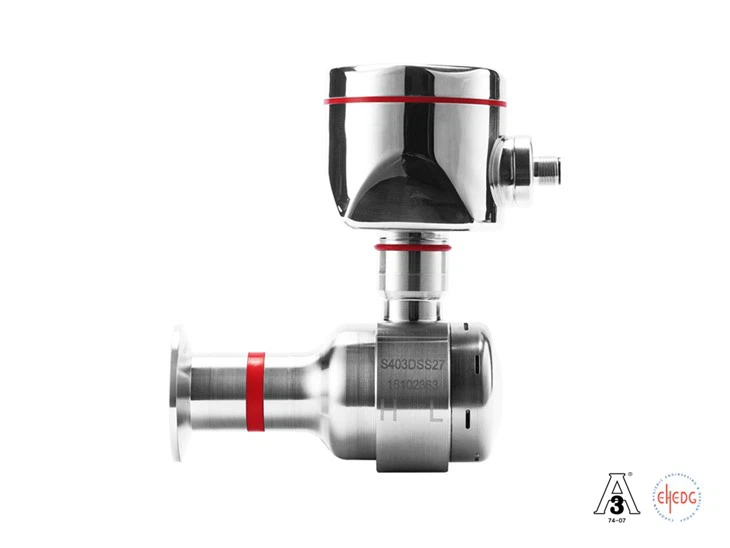

Our SMP858 - NSF Differential Pressure Transmitter is designed to withstand steam sterilization. The robust construction of the transmitter ensures that it can maintain its accuracy and performance even after repeated steam sterilization cycles.
Chemical Sterilization
Chemical sterilization uses chemicals such as hydrogen peroxide, peracetic acid, or ethanol to kill microorganisms. These chemicals can be applied as a liquid or a vapor. Chemical sterilization is often preferred in situations where steam sterilization is not feasible, such as when dealing with heat - sensitive components.
The SMP858 - TSD - S Gauge Pressure Transmitter is compatible with certain chemical sterilization methods. However, it's important to ensure that the chemicals used are compatible with the sensor's materials to avoid any damage or degradation.
Gamma Irradiation
Gamma irradiation is a method that uses high - energy gamma rays to kill microorganisms. It is a cold sterilization method, which means it does not generate heat. This makes it suitable for sensors that may be damaged by high temperatures.
Our SMP858 - TSF - D Gauge Pressure Transmitter can potentially be sterilized using gamma irradiation. However, prior to using this method, it's essential to conduct tests to ensure that the irradiation does not affect the sensor's performance.
Challenges and Precautions
While it is possible to sterilize sanitary pressure sensors, there are some challenges and precautions to keep in mind.
One of the main challenges is ensuring that the sterilization process does not damage the sensor's internal components. For example, excessive temperature or pressure during steam sterilization can cause the diaphragm to warp or the electronic components to malfunction. To mitigate this risk, it's important to follow the manufacturer's guidelines regarding sterilization parameters.
Another challenge is ensuring that the entire sensor is thoroughly sterilized. Some hard - to - reach areas may require special attention during the sterilization process. For example, in sensors with complex geometries, additional steps may be needed to ensure that all surfaces are exposed to the sterilizing agent.
Maintaining Sensor Performance After Sterilization
After sterilization, it's crucial to verify that the sensor's performance has not been affected. This can be done by conducting calibration checks and performance tests. Our team of experts can assist you in performing these tests to ensure that your sensor continues to provide accurate and reliable measurements.
Conclusion: The Role of Sanitary Pressure Sensors in Hygienic Processes
In conclusion, sanitary pressure sensors can indeed be sterilized, which is a vital feature in industries with strict hygiene requirements. By understanding the design considerations, appropriate sterilization methods, and associated challenges, you can ensure that your sensors remain effective in maintaining a clean and safe processing environment.
If you're in the market for high - quality sanitary pressure sensors that are designed for easy sterilization and reliable performance, we're here to help. We offer a wide range of products, including the SMP858 - NSF Differential Pressure Transmitter, SMP858 - TSD - S Gauge Pressure Transmitter, and SMP858 - TSF - D Gauge Pressure Transmitter. Contact us to discuss your specific requirements and explore how our products can meet your needs.
References
- "Handbook of Industrial Pressure Measurement," Wiley, 2016
- "Microbiology in Food Processing," Springer, 2018
- "Sterilization Technology in Pharmaceutical and Biotechnology Industries," Elsevier, 2020