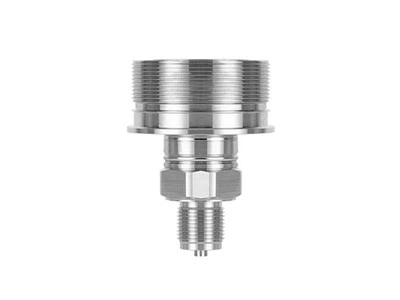
Foam can be a real pain in the neck when it comes to differential pressure (DP) level measurement. As a supplier of DP level measurement solutions, I've seen firsthand how foam can throw off your readings and cause all sorts of headaches. But don't worry, I'm here to share some tips on how to compensate for the effect of foam on DP level measurement.
Understanding the Problem
First things first, let's talk about why foam is such a problem for DP level measurement. DP level measurement works by measuring the difference in pressure between two points in a tank or vessel. This pressure difference is then used to calculate the level of the liquid inside. But when there's foam on the surface of the liquid, it can mess with this pressure difference in a few different ways.
For one, foam is less dense than the liquid below it. This means that it exerts less pressure on the bottom of the tank, which can make it seem like the liquid level is lower than it actually is. Additionally, foam can be very dynamic, constantly changing shape and volume. This can cause fluctuations in the pressure difference, leading to inaccurate and unstable level readings.
Compensating for Foam
So, how can we compensate for the effect of foam on DP level measurement? There are a few different approaches we can take, depending on the specific situation.
Use a High-Quality Transmitter
One of the most important things you can do is invest in a high-quality DP transmitter. A good transmitter will be able to handle the challenges posed by foam and provide accurate and reliable level readings. For example, the 2035 Multivariable Transmitter is designed to provide precise measurements in a variety of challenging environments, including those with foam. It uses advanced signal processing techniques to filter out noise and interference, and it can be configured to compensate for the effects of foam on the pressure difference.
Install the Transmitter Correctly
Another important factor is the installation of the transmitter. Make sure that the transmitter is installed in the right location and at the right height. Ideally, the transmitter should be installed below the foam layer to avoid being affected by the foam directly. Additionally, the impulse lines should be properly sized and installed to ensure that they are not blocked by foam or other debris.
Use a Foam-Breaking Device
In some cases, it may be necessary to use a foam-breaking device to reduce the amount of foam in the tank. There are a variety of foam-breaking devices available on the market, including mechanical agitators, ultrasonic devices, and chemical additives. These devices can help to break up the foam and reduce its impact on the DP level measurement.
Apply Signal Filtering and Compensation Algorithms
Many modern DP transmitters come with built-in signal filtering and compensation algorithms that can help to reduce the effects of foam on the level readings. These algorithms can be configured to filter out the high-frequency noise caused by the foam and to compensate for the changes in pressure difference caused by the foam's density and volume.
Conduct Regular Maintenance
Finally, it's important to conduct regular maintenance on your DP level measurement system. This includes checking the impulse lines for blockages, cleaning the transmitter sensors, and calibrating the transmitter regularly. By keeping your system in good working condition, you can ensure that it continues to provide accurate and reliable level readings, even in the presence of foam.

Real-World Examples
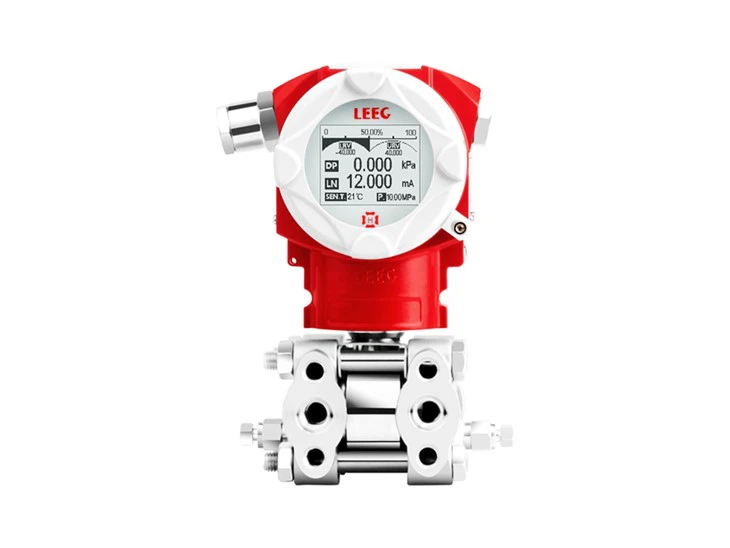
To give you a better idea of how these compensation methods work in practice, let's take a look at a few real-world examples.
Example 1: Chemical Processing Plant
A chemical processing plant was experiencing inaccurate level readings in one of its tanks due to the presence of foam. The plant installed a DMP305X-TST-S Absolute Pressure Transmitter and configured it with a signal filtering algorithm to reduce the effects of the foam. Additionally, the plant installed a mechanical agitator to break up the foam. After these changes were made, the level readings became much more accurate and stable, allowing the plant to operate more efficiently.
Example 2: Food and Beverage Factory
A food and beverage factory was having trouble with inconsistent level measurements in a fermentation tank due to foam. The factory replaced its old DP transmitter with a DMP305X-DST Absolute Pressure Transmitter that was specifically designed to handle foamy liquids. The new transmitter was installed below the foam layer and was configured with a compensation algorithm to account for the foam's density. As a result, the level measurements became much more reliable, and the factory was able to improve its production process.
Conclusion
Foam can be a significant challenge when it comes to DP level measurement, but it's not an insurmountable one. By understanding the problem, using a high-quality transmitter, installing it correctly, using a foam-breaking device if necessary, applying signal filtering and compensation algorithms, and conducting regular maintenance, you can compensate for the effect of foam and get accurate and reliable level readings.
If you're having trouble with foam affecting your DP level measurement, don't hesitate to reach out to us. We're here to help you find the right solution for your specific needs. Whether you need a new transmitter, a foam-breaking device, or just some advice on how to improve your measurement system, we've got you covered. Contact us today to start the conversation and see how we can help you overcome the challenges of foam in your DP level measurement applications.
References
- Some relevant industry whitepapers on DP level measurement and foam compensation.
- Manufacturer's documentation for the 2035 Multivariable Transmitter, DMP305X-TST-S Absolute Pressure Transmitter, and DMP305X-DST Absolute Pressure Transmitter.