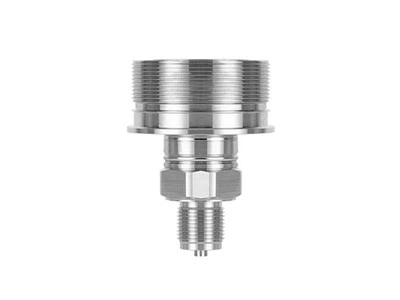
Maintaining a sanitary pressure sensor is crucial for ensuring its accuracy, reliability, and longevity, especially in industries where hygiene is of utmost importance, such as food and beverage, pharmaceuticals, and biotechnology. As a supplier of sanitary pressure sensors, I understand the significance of proper maintenance and would like to share some valuable insights on how to keep these sensors in optimal condition.

Understanding Sanitary Pressure Sensors
Before delving into maintenance procedures, it's essential to have a basic understanding of sanitary pressure sensors. These sensors are specifically designed to meet the strict hygiene standards of industries where contamination can have serious consequences. They are typically constructed with materials that are resistant to corrosion, easy to clean, and comply with relevant industry regulations.
Sanitary pressure sensors work by measuring the pressure of a fluid or gas in a system and converting it into an electrical signal. This signal can then be used for various purposes, such as monitoring process conditions, controlling equipment, and ensuring product quality.
Regular Inspection
Regular inspection is the first step in maintaining a sanitary pressure sensor. Inspect the sensor for any signs of physical damage, such as cracks, dents, or leaks. Check the connections to ensure they are tight and secure. Loose connections can lead to inaccurate readings and potential safety hazards.
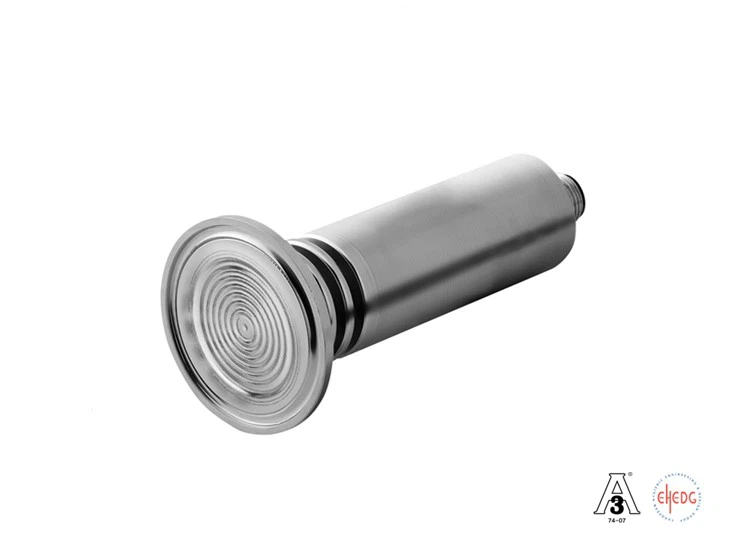
Inspect the diaphragm of the sensor, which is the part that comes into contact with the process fluid. The diaphragm should be clean and free from any debris or buildup. Any damage or contamination to the diaphragm can affect the accuracy of the sensor.
Cleaning Procedures
Proper cleaning is essential for maintaining the hygiene and performance of a sanitary pressure sensor. The cleaning process should be carried out regularly, following the manufacturer's guidelines.
- Pre - cleaning Inspection: Before cleaning, inspect the sensor to identify any visible contaminants or damage. This will help determine the appropriate cleaning method.
- Disconnect the Sensor: Ensure that the sensor is disconnected from the power source and the process system to prevent any electrical shock or damage.
- Choose the Right Cleaning Agent: Select a cleaning agent that is compatible with the materials of the sensor. Avoid using abrasive or corrosive cleaners that can damage the sensor. For most sanitary pressure sensors, mild detergents or cleaning solutions recommended by the manufacturer are suitable.
- Cleaning the Exterior: Use a soft cloth or sponge soaked in the cleaning solution to wipe the exterior of the sensor. Pay special attention to the areas around the connections and the diaphragm.
- Cleaning the Diaphragm: If the diaphragm is contaminated, it may require more thorough cleaning. Gently immerse the diaphragm in the cleaning solution or use a soft brush to remove any debris. Rinse the diaphragm thoroughly with clean water to remove any traces of the cleaning agent.
- Rinsing and Drying: After cleaning, rinse the sensor thoroughly with clean water to remove all traces of the cleaning agent. Dry the sensor completely using a clean, dry cloth or by allowing it to air - dry.
Calibration
Calibration is a critical aspect of maintaining the accuracy of a sanitary pressure sensor. Over time, the sensor may drift from its original calibration, leading to inaccurate readings. Regular calibration ensures that the sensor provides reliable and precise measurements.
- Calibration Frequency: The frequency of calibration depends on several factors, such as the application, the environment, and the manufacturer's recommendations. In general, it is recommended to calibrate the sensor at least once a year or more frequently if the sensor is used in a critical application.
- Use a Calibration Standard: To calibrate the sensor, use a calibrated pressure standard that is traceable to a national or international standard. Compare the readings of the sensor with the known values of the calibration standard and adjust the sensor accordingly.
- Calibration Procedure: Follow the calibration procedure provided by the manufacturer. This may involve adjusting the zero and span settings of the sensor to match the calibration standard.
Protection from Harsh Environments
Sanitary pressure sensors may be exposed to harsh environments, such as high temperatures, high pressures, and corrosive chemicals. To protect the sensor from these conditions, consider the following measures:
- Temperature and Pressure Limits: Ensure that the sensor is operated within its specified temperature and pressure limits. Exceeding these limits can cause damage to the sensor and affect its performance.
- Use Protective Enclosures: If the sensor is exposed to harsh environmental conditions, use a protective enclosure to shield it from dust, moisture, and chemicals. The enclosure should be made of a material that is compatible with the sensor and the environment.
- Corrosion Resistance: Choose a sensor that is made of materials that are resistant to corrosion. Stainless steel is a commonly used material for sanitary pressure sensors due to its excellent corrosion resistance.
Storage
Proper storage is important when the sensor is not in use. Store the sensor in a clean, dry, and temperature - controlled environment. Avoid storing the sensor in areas where it may be exposed to moisture, dust, or extreme temperatures.
When storing the sensor for an extended period, it is recommended to protect the diaphragm with a protective cap or cover to prevent damage.
Troubleshooting
Even with proper maintenance, sanitary pressure sensors may experience problems from time to time. Here are some common problems and their possible solutions:
- Inaccurate Readings: If the sensor is providing inaccurate readings, check the connections, the calibration, and the diaphragm for damage or contamination. If the problem persists, contact the manufacturer for further assistance.
- No Output Signal: If the sensor is not producing an output signal, check the power supply, the connections, and the wiring. A blown fuse or a damaged cable may be the cause of the problem.
- Leakage: If there is a leak in the sensor, inspect the connections and the diaphragm for damage. Tighten the connections or replace the damaged parts as necessary.
Our Product Range
We offer a wide range of sanitary pressure sensors, including the SMP858 - TSH - S Gauge Pressure Transmitter, SMP858 - TSF - S Gauge Pressure Transmitter, and SMP858 - TSF - D Gauge Pressure Transmitter. These transmitters are designed to meet the highest hygiene standards and provide accurate and reliable pressure measurements in a variety of applications.
Contact Us for Procurement
If you are interested in purchasing our sanitary pressure sensors or have any questions about maintenance or product selection, we encourage you to contact us for a procurement discussion. Our team of experts is ready to assist you in finding the right solution for your specific needs.
References
- Manufacturer's manuals for sanitary pressure sensors
- Industry standards and regulations related to sanitary equipment
- Technical papers on pressure sensor maintenance and calibration