


Hey there! As a supplier of dp level measurement products, I've seen firsthand how crucial it is to ensure the reliability of these measurements. In this blog, I'll share some tips and insights on how to achieve just that.
Understanding DP Level Measurement
First off, let's quickly go over what dp (differential pressure) level measurement is. It's a method used to measure the level of a liquid or gas in a tank or vessel. The basic principle involves measuring the difference in pressure between two points: one at the bottom of the tank (the static pressure) and one at a reference point (usually the top of the tank). This pressure difference is then used to calculate the level of the substance in the tank.
Factors Affecting Reliability
There are several factors that can affect the reliability of dp level measurement. Let's take a look at some of the most common ones:
1. Installation
Proper installation is key to getting accurate and reliable dp level measurements. If the transmitters are not installed correctly, it can lead to errors in the pressure readings. For example, if the impulse lines (the tubes that connect the transmitter to the tank) are not properly routed or if there are air bubbles in the lines, it can affect the pressure transfer and lead to inaccurate measurements.
When installing the transmitters, make sure to follow the manufacturer's guidelines. This includes proper mounting, ensuring the impulse lines are free of blockages, and using the correct fittings. Our 2035 Multivariable Transmitter comes with detailed installation instructions to help you get it right the first time.
2. Process Conditions
The conditions inside the tank or vessel can also have a big impact on the reliability of dp level measurement. Things like temperature, density, and viscosity of the substance being measured can all affect the pressure readings. For example, if the temperature of the liquid changes, it can cause the density to change, which in turn can affect the pressure difference.
To account for these changes, it's important to use transmitters that are designed to compensate for process conditions. Our SMP858-DST Differential Pressure Transmitter has advanced compensation algorithms that can adjust for temperature and density changes, ensuring accurate measurements even in challenging environments.
3. Maintenance
Regular maintenance is essential for keeping your dp level measurement system reliable. Over time, the impulse lines can become clogged with debris, and the transmitters can experience wear and tear. This can lead to inaccurate measurements and even system failures.

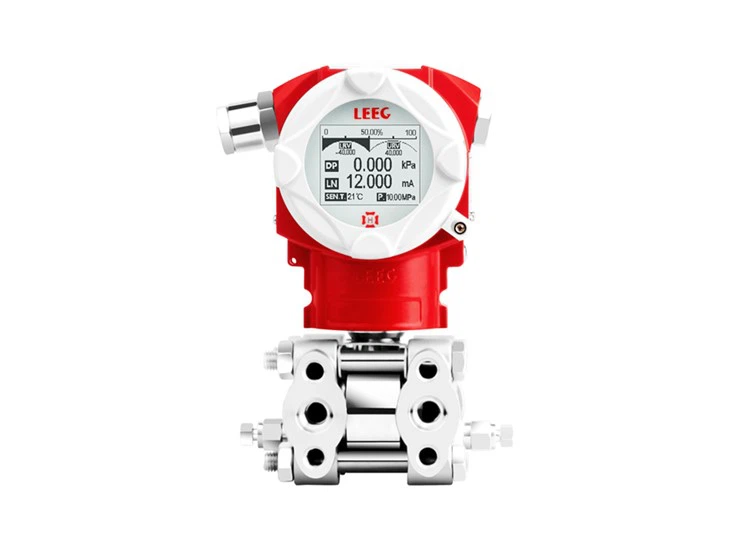
Make sure to schedule regular maintenance checks. This includes inspecting the impulse lines for blockages, cleaning the transmitters, and calibrating them as needed. Our DMP305X-DST Absolute Pressure Transmitter is designed for easy maintenance, with features like self-diagnostics that can help you identify and address issues quickly.
Tips for Ensuring Reliability
1. Choose the Right Transmitter
Not all dp level transmitters are created equal. When selecting a transmitter for your application, consider factors like the range of pressure you need to measure, the accuracy requirements, and the process conditions. Our product line includes a variety of transmitters, each designed to meet different needs. Whether you need a high-precision transmitter for a critical application or a more cost-effective option for a less demanding process, we've got you covered.
2. Calibrate Regularly
Calibration is an important part of maintaining the reliability of dp level measurement. Over time, the transmitters can drift out of calibration, leading to inaccurate measurements. By calibrating the transmitters regularly, you can ensure that they are providing accurate and reliable readings. Most manufacturers recommend calibrating the transmitters at least once a year, but in some cases, more frequent calibration may be required.
3. Monitor and Troubleshoot
Keep an eye on your dp level measurement system and monitor the readings regularly. If you notice any sudden changes or inconsistencies in the measurements, it could be a sign of a problem. Use diagnostic tools and techniques to troubleshoot the issue and identify the root cause. Our transmitters come with built-in diagnostic features that can help you quickly identify and resolve issues.
Conclusion
Ensuring the reliability of dp level measurement is essential for accurate process control and efficient operation. By paying attention to factors like installation, process conditions, and maintenance, and by following the tips outlined in this blog, you can minimize errors and ensure that your dp level measurement system is providing accurate and reliable readings.
If you're in the market for dp level measurement products, we'd love to help you find the right solution for your application. Our team of experts is available to answer your questions and provide you with the support you need. Contact us today to start the conversation and let's work together to ensure the reliability of your dp level measurement system.
References
- Manufacturer's documentation for 2035 Multivariable Transmitter
- Manufacturer's documentation for SMP858-DST Differential Pressure Transmitter
- Manufacturer's documentation for DMP305X-DST Absolute Pressure Transmitter


