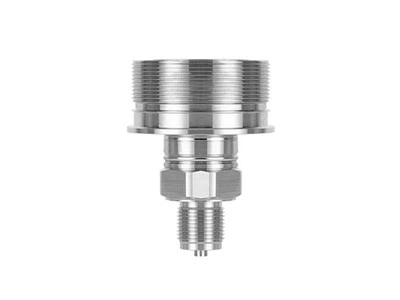
Hey there! I'm working with a dpt pressure transmitter supplier, and I know many folks out there are scratching their heads about how to install a dpt pressure transmitter in a crane. Well, you're in the right place. In this blog, I'll walk you through the whole process step by step.
First off, let me give you a bit of a rundown on why you'd even want to install a dpt pressure transmitter in a crane. These transmitters are super important for monitoring the pressure differentials in various parts of the crane. This helps in ensuring the crane's safe and efficient operation. If there's an abnormal pressure change, it could be a sign of a problem, like a leak or a malfunction in the hydraulic system. By having a dpt pressure transmitter in place, you can catch these issues early and avoid costly breakdowns or, even worse, accidents.
Now, let's talk about the types of pressure transmitters we offer. We've got some great options, like the DMP305X-TST-S Gauge Pressure Transmitter and the DMP305X-TLF Gauge Pressure Transmitter. These are great for measuring gauge pressure. And if you're specifically looking for a differential pressure transmitter, our SMP858-NST Differential Pressure Transmitter is a top - notch choice.
Step 1: Preparation
Before you start the installation, it's crucial to do your homework. First, gather all the tools you'll need. You're gonna need a wrench set, some sealant, electrical tape, a multimeter for testing electrical connections, and of course, the pressure transmitter itself. Make sure you've got the right model for your crane's requirements.
Next, take a good look at the crane's hydraulic system. Identify the points where you'll be installing the transmitter. Usually, you'll want to install it at locations where you can accurately measure the pressure differentials that are relevant to the crane's operation. For example, near the hydraulic cylinders or the pump. Also, check for any existing damage or leaks in the system. If there are any, it's best to fix them before installing the transmitter.
Step 2: Mounting the Transmitter
Once you've identified the installation point, it's time to mount the transmitter. First, clean the mounting surface thoroughly. Any dirt or debris can prevent a proper seal and lead to inaccurate readings or leaks.
Apply a thin layer of sealant to the threads of the transmitter. This will help create a tight seal and prevent any fluid from leaking out. Then, carefully thread the transmitter into the mounting hole. Use the appropriate wrench to tighten it, but be careful not to over - tighten. Over - tightening can damage the threads and the transmitter itself.
Step 3: Electrical Connections
After mounting the transmitter, it's time to make the electrical connections. First, refer to the transmitter's manual for the correct wiring diagram. Different models may have different wiring requirements.
Strip the ends of the wires carefully and connect them to the corresponding terminals on the transmitter. Make sure the connections are secure. You can use electrical tape to insulate the connections and prevent any short - circuits.
Once you've made the connections, use a multimeter to test for continuity. This will ensure that the electrical circuit is complete and that the transmitter is getting power.
Step 4: Calibration
Calibration is a crucial step in the installation process. A properly calibrated transmitter will give you accurate pressure readings. To calibrate the transmitter, you'll need a pressure calibration device.


First, set the calibration device to a known pressure value. Then, compare the reading on the calibration device with the reading on the transmitter. If there's a difference, adjust the transmitter's calibration settings according to the manufacturer's instructions.
It may take a few tries to get the calibration just right. Keep checking the readings and making adjustments until the transmitter is giving accurate readings within an acceptable range.
Step 5: Testing
After calibration, it's time to test the transmitter in the crane's actual operating conditions. Start the crane's hydraulic system and observe the pressure readings on the transmitter. Monitor the readings for a while and make sure they are stable and within the expected range.
If you notice any abnormal readings, shut down the system immediately and check for any installation issues, such as loose connections or leaks. Make the necessary repairs or adjustments and retest the system.
Troubleshooting Tips
Even if you follow all the steps correctly, you might run into some issues. Here are some common problems and how to fix them:
- Inaccurate Readings: This could be due to improper calibration, a damaged sensor, or a problem with the electrical connections. Re - calibrate the transmitter, check the sensor for damage, and inspect the electrical connections.
- Leaking: If you notice fluid leaking from the mounting point, it could be due to a loose connection or a damaged seal. Tighten the connection or replace the seal.
- No Power: If the transmitter isn't powering on, check the power supply, the electrical connections, and the fuse.
If you're still having trouble after trying these troubleshooting steps, don't hesitate to reach out to us. We've got a team of experts who can help you figure out what's going wrong and get your transmitter up and running in no time.
Why Choose Our Products?
Our pressure transmitters are built to last. They're made with high - quality materials and undergo rigorous testing to ensure they can withstand the harsh conditions of crane operations. Whether it's extreme temperatures, vibrations, or exposure to dust and debris, our transmitters are designed to keep performing reliably.
We also offer excellent customer support. If you have any questions about installation, calibration, or maintenance, our team is just a message away. We'll do our best to provide you with the assistance you need.
In conclusion, installing a dpt pressure transmitter in a crane isn't as scary as it might seem. By following these steps, you can ensure a successful installation and accurate pressure monitoring. If you're in the market for a pressure transmitter, give our products a try. We're confident that you won't be disappointed.
If you're interested in purchasing our dpt pressure transmitters or have any questions about the installation process, don't hesitate to contact us. We're ready to have a chat and help you find the right solution for your crane. Let's talk about how we can work together to keep your crane running smoothly and safely.
References
- Crane hydraulic system operation manuals
- Pressure transmitter user manuals