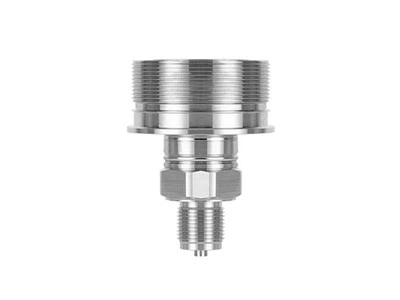
Shock and vibration resistance are critical factors to consider when evaluating the performance and reliability of sanitary pressure sensors. In the demanding environments of the food, beverage, pharmaceutical, and other hygienic industries, these sensors must be able to withstand substantial mechanical stresses while maintaining accurate and consistent pressure measurements. As a leading sanitary pressure sensor supplier, we understand the importance of shock and vibration resistance in ensuring the efficiency and safety of our clients' operations.
Understanding Shock and Vibration in Sanitary Environments
Before delving into the shock and vibration resistance capabilities of our sanitary pressure sensors, it is essential to understand the nature of these mechanical stresses in hygienic settings. In industrial processes, shock refers to a sudden and intense force applied to the sensor, often resulting from equipment startup or shutdown, valve actuation, or product transfer. Vibration, on the other hand, is a continuous oscillatory motion caused by machinery operation, fluid flow, or external environmental factors.
In sanitary applications, these forces can be particularly challenging due to the need for strict hygiene standards and the often harsh operating conditions. For example, in dairy processing plants, sensors may be exposed to high-pressure cleaning procedures, which can generate significant shockwaves. In pharmaceutical manufacturing, the constant operation of mixing and filling equipment can induce continuous vibrations.
The Impact of Shock and Vibration on Pressure Sensors
Both shock and vibration can have detrimental effects on the performance and longevity of pressure sensors. Excessive shock can cause physical damage to the sensor's internal components, such as the sensing element and electrical connections. This can lead to inaccurate readings, signal loss, or even complete sensor failure. Vibration, if not properly managed, can cause similar issues over time. It can cause fatigue in the sensor's materials, leading to cracks and other structural defects. Additionally, vibration can introduce noise into the sensor's output signal, making it difficult to obtain reliable pressure measurements.
Ensuring Shock and Vibration Resistance in Our Sanitary Pressure Sensors
As a dedicated sanitary pressure sensor supplier, we have implemented several design and manufacturing strategies to enhance the shock and vibration resistance of our products.
1. Robust Mechanical Design
Our sensors are built with sturdy housings and mounting structures that can absorb and dissipate mechanical energy. We use high - strength materials, such as stainless steel, which not only provides excellent corrosion resistance for hygienic applications but also offers high mechanical durability. For example, our sensors have thick - walled casings that can withstand sudden impacts without deforming. Additionally, the internal components are securely mounted within the housing to prevent any movement during shock or vibration events.
2. Advanced Sensing Technology
We incorporate state - of - the - art sensing technology that is less sensitive to mechanical stresses. Our pressure sensors are designed with highly stable sensing elements that can maintain accurate performance even under harsh conditions. These elements are often based on piezoresistive or capacitive technologies, which have been optimized to minimize the effects of shock and vibration. For instance, piezoresistive sensors can quickly adapt to changes in pressure without being overly affected by mechanical vibrations.
3. Rigorous Testing Procedures
Before leaving our manufacturing facilities, all of our sanitary pressure sensors undergo rigorous shock and vibration testing. We simulate real - world operating conditions to ensure that the sensors can meet or exceed industry standards. For shock testing, we subject the sensors to a series of high - intensity impacts of varying magnitudes and directions. Vibration testing involves exposing the sensors to continuous vibrations at different frequencies and amplitudes. Only sensors that pass these stringent tests are approved for sale.
Specific Models with Excellent Shock and Vibration Resistance
We offer a range of sanitary pressure sensors that are known for their exceptional shock and vibration resistance.

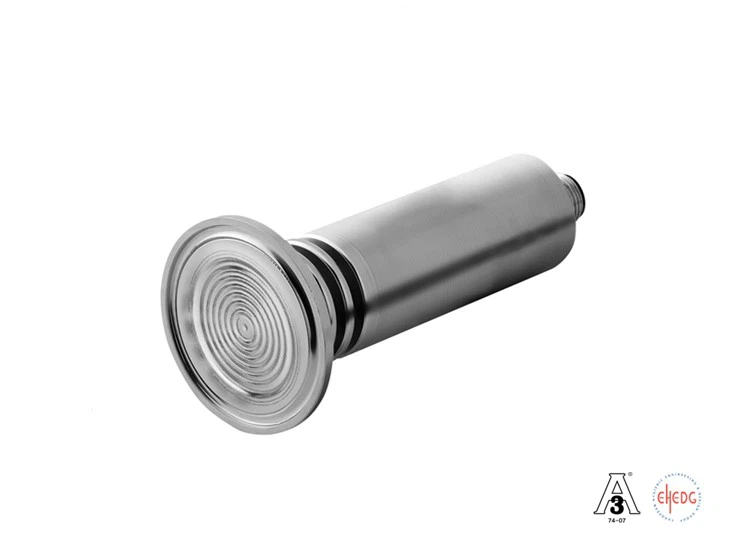
The SMP858 - TSH - S Gauge Pressure Transmitter is designed for applications where high - pressure shock and vibration are common. Its rugged construction and advanced sensing element make it ideal for use in food and beverage processing plants, where it can withstand the rigors of daily operations.
The SMP858 - TSD - S Gauge Pressure Transmitter is another popular choice. It features a unique design that provides enhanced protection against both shock and vibration. This transmitter is suitable for pharmaceutical and biotechnology applications, where precise pressure measurements are crucial.
The SMP858 - TSF - S Gauge Pressure Transmitter is engineered to perform reliably in harsh industrial environments. Its superior shock and vibration resistance ensure accurate and stable pressure measurements, even in the presence of significant mechanical forces.
Benefits of Using Our Shock and Vibration - Resistant Sanitary Pressure Sensors
Investing in our shock and vibration - resistant sanitary pressure sensors offers several benefits to our customers.
1. Improved Reliability
By being able to withstand mechanical stresses, our sensors provide more reliable pressure measurements over the long term. This reduces the risk of equipment downtime due to sensor failure, ensuring continuous and efficient operation of industrial processes.
2. Reduced Maintenance Costs
The durability of our sensors means less frequent replacement and repair. This directly translates into lower maintenance costs for our customers, as they do not have to spend as much on sensor upkeep and replacement parts.
3. Enhanced Safety
Accurate pressure measurements are crucial for maintaining the safety of industrial processes. Our shock and vibration - resistant sensors ensure that any abnormal pressure changes are detected accurately, allowing for timely intervention and preventing potential safety hazards.
How to Incorporate Shock and Vibration - Resistant Sensors into Your Application
When considering the use of our shock and vibration - resistant sanitary pressure sensors in your application, there are a few factors to keep in mind. First, determine the specific shock and vibration levels present in your operating environment. This will help you choose the most appropriate sensor model. Second, consider the installation location and method. Proper installation can further enhance the sensor's ability to withstand mechanical stresses. Make sure to follow our installation guidelines, which are designed to minimize the impact of shock and vibration on the sensor.
Contact Us for Your Sanitary Pressure Sensor Needs
As a trusted sanitary pressure sensor supplier, we are committed to providing our customers with high - quality, reliable products. If you are interested in learning more about our shock and vibration - resistant sensors or would like to discuss your specific application requirements, we encourage you to contact us. Our team of experts is ready to assist you in selecting the right sensor for your needs and can provide you with detailed technical information and support. Whether you are in the food, beverage, pharmaceutical, or any other hygienic industry, we have the solutions to meet your pressure measurement challenges.
References
- "Industrial Pressure Sensors: Principles, Design, and Applications" by X. Y. Wang
- "Hygienic Design in Food Processing Equipment" by the International Association for Food Protection
- Technical standards and guidelines from relevant industry organizations such as the 3 - A Sanitary Standards, Inc.