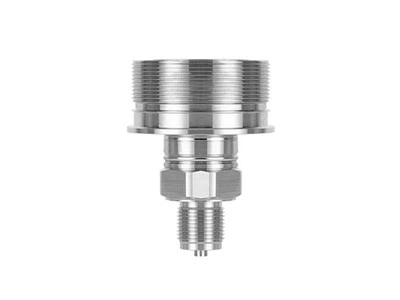
Hey there! As a supplier of pressure transmitters, I often get asked, "What is the average cost of a pressure transmitter?" Well, it's not a one - size - fits - all answer, so let me break it down for you.
Factors Affecting the Cost
First off, there are several factors that influence how much a pressure transmitter will set you back.
1. Type of Pressure Transmitter
There are different types of pressure transmitters, like gauge pressure transmitters, absolute pressure transmitters, and differential pressure transmitters. Differential pressure transmitters, for instance, are used to measure the difference in pressure between two points. Our DMP305X - DST Differential Pressure Transmitter is a popular choice. These tend to be a bit more complex in design, which can drive up the cost compared to simpler gauge pressure transmitters.
2. Accuracy
Accuracy is a big deal when it comes to pressure transmitters. The more accurate a transmitter is, the more expensive it usually is. High - accuracy transmitters are needed in applications where precision is crucial, such as in the pharmaceutical or aerospace industries. If you're working on a project where a small margin of error can lead to significant problems, you'll likely need to invest in a high - accuracy model.
3. Range
The pressure range that a transmitter can measure also affects the cost. Transmitters with a wider range, say from very low pressures to extremely high pressures, are generally more costly. This is because they require more advanced technology and materials to handle such a broad spectrum of pressures.
4. Material
The materials used in the construction of a pressure transmitter play a role in its price. For example, if the transmitter needs to be corrosion - resistant for use in harsh chemical environments, it might be made with special alloys or coated with protective materials. This will increase the cost compared to a standard, general - purpose transmitter made of common metals.
5. Brand and Quality
Well - known brands often charge more for their pressure transmitters, but they usually offer greater reliability, better after - sales service, and longer warranties. On the other hand, lesser - known brands might be cheaper, but you run the risk of getting lower - quality products. As a supplier, I always recommend striking a balance between cost and quality.


Average Cost Ranges
Okay, so now that we've covered the factors, let's talk about the average cost ranges.
Low - End Pressure Transmitters
For basic, general - purpose pressure transmitters with lower accuracy and a narrower range, you can expect to pay anywhere from $100 to $500. These are suitable for simple applications like monitoring the pressure in small plumbing systems or low - pressure air ducts in residential buildings.
Mid - Range Pressure Transmitters
The mid - range transmitters, which offer better accuracy, a wider pressure range, and more features, usually cost between $500 and $2000. They're commonly used in industrial applications such as HVAC systems, water treatment plants, and some light - manufacturing processes. For example, our SMP858 - NST Differential Pressure Transmitter falls into this category. It provides reliable performance and good value for money.
High - End Pressure Transmitters
When it comes to high - end pressure transmitters, the sky's the limit. These are designed for extremely demanding applications in industries like oil and gas, power generation, and aerospace. They offer high accuracy, wide pressure ranges, and are built with top - notch materials. The cost of these transmitters can start from $2000 and go up to several thousand dollars or more. Our SMP858 - DST Differential Pressure Transmitter is a great example of a high - end product that can meet the needs of these challenging industries.
Where to Save and Where to Splurge
You might be wondering where you can cut costs and where you should really invest.
If you're working on a small - scale project with less strict requirements, like a DIY home project or a small - business application where a slight inaccuracy won't cause major issues, you can go for a low - end or mid - range pressure transmitter. This way, you can save some money without sacrificing too much on functionality.
However, if you're involved in a large - scale industrial project, especially one where safety and precision are of the utmost importance, it's worth splurging on a high - end pressure transmitter. The cost of a malfunctioning transmitter in these cases can far exceed the initial investment in a quality product.
Conclusion and Call to Action
So, as you can see, the average cost of a pressure transmitter depends on a variety of factors. But here's the thing - as a supplier, I'm here to help you find the perfect pressure transmitter for your needs and budget. Whether you're looking for an affordable option for a simple project or a high - end solution for a complex industrial application, I've got you covered.
If you're interested in learning more about our pressure transmitters or want to get a quote, feel free to reach out. We can have a chat about your specific requirements and figure out the best product for you. Don't hesitate to start the conversation - let's get you the right pressure transmitter at the right price!
References
- Industry reports on pressure transmitter technology and pricing.
- Manufacturer's specifications for pressure transmitters.