Hey there! As a supplier of pressure transmitter cost, I've been getting a lot of questions lately about how the cost of a pressure transmitter changes with its long - term drift stability. So, I thought I'd write this blog to share some insights on this topic.
First off, let's talk about what long - term drift stability is. In simple terms, long - term drift is the change in the output of a pressure transmitter over a long period of time under constant operating conditions. A pressure transmitter with high long - term drift stability will have very little change in its output over months or even years. This is super important in applications where accurate and consistent pressure measurements are crucial, like in the oil and gas industry, chemical processing, and power generation.
Now, how does this relate to the cost? Well, generally speaking, pressure transmitters with better long - term drift stability tend to be more expensive. There are a few reasons for this.
Manufacturing Precision
Manufacturing a pressure transmitter with high long - term drift stability requires a higher level of precision. The components used in these transmitters need to be of top - notch quality. For example, the sensing element, which is the heart of the pressure transmitter, has to be made with extreme accuracy. Any small imperfection in the sensing element can lead to drift over time. To achieve this high level of precision, manufacturers need to use advanced manufacturing techniques and high - quality materials. These processes and materials come at a cost, which is then passed on to the customer.
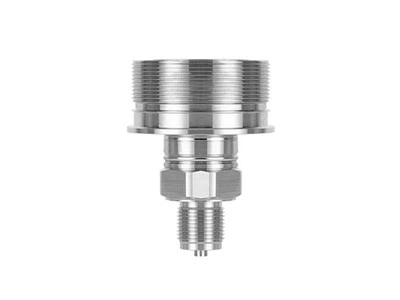
Let's take a look at some of our products. The DMP305X-TST-S Absolute Pressure Transmitter is a great example of a high - performance pressure transmitter. It's designed with high - quality components that ensure excellent long - term drift stability. The manufacturing process involves strict quality control measures to guarantee that each unit meets the high standards of accuracy and stability. This attention to detail in manufacturing makes it more expensive compared to some of our entry - level models.
Calibration and Testing
Another factor that affects the cost is the calibration and testing process. Pressure transmitters with high long - term drift stability need to undergo more rigorous calibration and testing. During the calibration process, technicians use highly accurate reference standards to adjust the transmitter's output to ensure it's as accurate as possible. This calibration needs to be done multiple times during the manufacturing process and sometimes even after the unit is installed in the field.
Testing is also a crucial part. Manufacturers need to simulate long - term operating conditions in the lab to test the drift stability of the pressure transmitter. This can involve subjecting the transmitter to different temperatures, pressures, and environmental conditions for extended periods. All these calibration and testing procedures require time, equipment, and skilled labor, which add to the overall cost.
Our DMP305X-DST Absolute Pressure Transmitter goes through a comprehensive calibration and testing process. We use state - of the - art equipment to ensure that it has minimal long - term drift. This thorough process helps us guarantee the performance of the transmitter but also contributes to its higher price tag.
Research and Development
Developing a pressure transmitter with excellent long - term drift stability requires a significant investment in research and development (R&D). Manufacturers need to constantly innovate and improve their designs to reduce drift. This involves conducting experiments, analyzing data, and coming up with new technologies.
For example, some companies are researching new materials for sensing elements that are more stable over time. Others are working on improving the signal processing algorithms in the transmitter to compensate for any potential drift. All these R&D efforts cost money, and the cost is reflected in the price of the final product.
Market Demand and Application
The market demand and the specific application also play a role in determining the cost. In some industries, like aerospace and medical, the demand for pressure transmitters with high long - term drift stability is very high. These industries require extremely accurate and reliable pressure measurements, and they're willing to pay a premium for it.
On the other hand, in less critical applications, like some consumer products or low - precision industrial processes, the demand for high - stability pressure transmitters is lower. In these cases, customers may opt for more affordable pressure transmitters with lower long - term drift stability.


Our SMP858-DST Differential Pressure Transmitter is suitable for a wide range of applications. For high - precision applications where long - term drift stability is a must, it offers excellent performance. But we also have more budget - friendly options for applications where a lower level of stability is acceptable.
Is the Higher Cost Worth It?
Now, you might be wondering if it's really worth paying more for a pressure transmitter with better long - term drift stability. Well, it depends on your specific application.
In applications where inaccurate pressure measurements can lead to safety hazards, production losses, or costly downtime, investing in a high - stability pressure transmitter is definitely worth it. For example, in a chemical plant, an inaccurate pressure measurement could lead to a chemical reaction going out of control, which could be extremely dangerous. In this case, the cost of a high - stability pressure transmitter is a small price to pay compared to the potential risks.
On the other hand, if your application doesn't require a high level of accuracy or if the consequences of a small drift are not significant, you might be able to get away with a more affordable pressure transmitter.
Conclusion
In conclusion, the cost of a pressure transmitter is closely related to its long - term drift stability. Higher - stability transmitters are generally more expensive due to factors like manufacturing precision, calibration and testing, research and development, and market demand. Whether you should invest in a high - stability transmitter depends on your specific application and the importance of accurate and consistent pressure measurements.
If you're in the market for a pressure transmitter and want to learn more about our products and how they can meet your needs, don't hesitate to reach out. We're here to help you make the right choice for your application. Whether you need a high - stability transmitter for a critical application or a more budget - friendly option, we've got you covered. Let's have a chat and see how we can work together to find the perfect pressure transmitter for you.
References
- "Pressure Transmitter Handbook", Industry Press, 20XX
- "Advances in Pressure Sensing Technology", Journal of Instrumentation, Vol. XX, Issue XX, 20XX