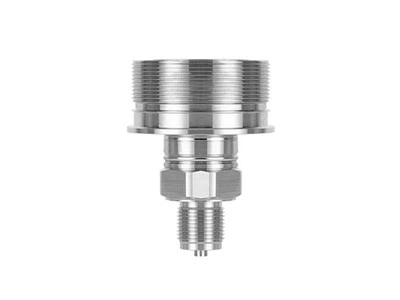
Hey there! As a supplier of DP (Differential Pressure) pressure transmitters, I often get asked how these nifty devices work in high - humidity environments. So, I thought I'd take a few minutes to shed some light on this topic.
First things first, let's quickly touch on what a DP pressure transmitter is. In a nutshell, it measures the difference in pressure between two points. This could be across a filter, a valve, or any other component in a system. The information it provides is super important for monitoring and controlling various industrial processes.
Now, high - humidity environments can pose some challenges for DP pressure transmitters. Humidity is basically the amount of water vapor in the air, and it can have a few impacts on these devices.
One of the main issues is corrosion. Water vapor in high - humidity air can condense on the surfaces of the transmitter. If the transmitter isn't properly protected, this condensation can cause rust and corrosion. This is a big deal because it can damage the internal components, like the pressure sensors and the electrical connections. For example, if the corrosion affects the sensor, it can lead to inaccurate pressure readings. And in a lot of industrial settings, accurate pressure readings are crucial for ensuring the safety and efficiency of the process.


Another problem is electrical conductivity. Water is a conductor of electricity, and when there's a lot of moisture around, it can interfere with the electrical signals in the transmitter. This interference can cause noise in the signal, leading to fluctuations in the output reading. Such fluctuations can make it difficult to get reliable data, which is a major headache for operators.
So, how do our DP pressure transmitters tackle these challenges? Well, we've built in several features to keep them performing well even in high - humidity conditions.
For starters, we use high - quality materials that are resistant to corrosion. The outer casing of our transmitters is made of materials like stainless steel or special plastics that can withstand the effects of moisture. These materials create a barrier between the internal components and the humid air, protecting the sensitive parts from rust and corrosion.
We also have advanced sealing techniques. The joints and openings in our transmitters are sealed tightly to prevent water vapor from getting inside. This is done using gaskets and seals that are designed to be waterproof. By keeping the internal environment dry, we can ensure that the electrical components work as they should and that the pressure sensors remain accurate.
Moreover, our transmitters are equipped with moisture - resistant electronics. The circuit boards and other electrical parts are coated with special materials that repel water. This coating helps to prevent the formation of electrical short - circuits that could be caused by moisture.
Let me tell you about some of our specific products. The DMP305X - DST Absolute Pressure Transmitter is designed with these high - humidity considerations in mind. It has a tough outer shell and excellent sealing, so it can handle even the most humid industrial environments. If you're looking for a reliable gauge pressure option, the DMP305X - TLT Gauge Pressure Transmitter is a great choice. It's built to be moisture - resistant and provides accurate readings in tough conditions. And for differential pressure measurement in high - humidity areas, the SMP858 - NST Differential Pressure Transmitter is top - notch. It uses advanced technology to minimize the impact of humidity on its performance.
In addition to these hardware features, we also recommend proper installation and maintenance. When installing a DP pressure transmitter in a high - humidity environment, make sure it's mounted in a location where it's not directly exposed to dripping water or excessive moisture. It's also a good idea to have a regular inspection schedule to check for any signs of moisture ingress or corrosion.
The long - term performance of our DP pressure transmitters in high - humidity environments is something we've tested rigorously. We run them through simulated high - humidity conditions in our labs to make sure they can stand up to real - world challenges. And from the feedback we've received from our customers, our transmitters have been performing really well in various industries, including chemical processing, food and beverage, and HVAC systems.
If you're looking for a DP pressure transmitter that can handle high - humidity environments, you're in the right place. We've put in a lot of effort to design and manufacture products that are reliable and accurate, no matter how wet the conditions are. Whether you're a small business or a large industrial facility, we've got the solutions you need.
So, if you're interested in learning more about our DP pressure transmitters or want to discuss your specific requirements, don't hesitate to reach out. We're here to help you find the perfect transmitter for your application. Let's start a conversation and see how we can work together to meet your pressure measurement needs.
References:
- Industrial Pressure Transmitter Handbook
- Research on the Effects of Humidity on Electronic Devices