The aviation industry is a complex and highly regulated field where every component plays a crucial role in ensuring safety, efficiency, and optimal performance. As a supplier of transmitter accessories, a common question we often encounter is whether our transmitter accessories can be used in aircraft. In this blog, we will delve into this topic, exploring the technical aspects, regulatory considerations, and potential applications of transmitter accessories in the aviation context.
Technical Compatibility of Transmitter Accessories
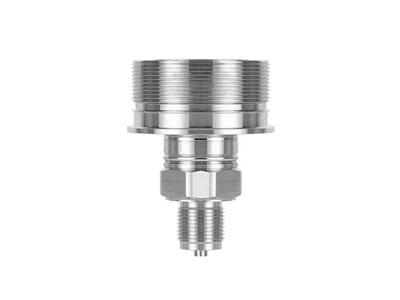
Transmitter accessories include a wide range of components such as manifolds, temperature transmitters, signal converters, and mounting brackets. Each of these accessories has specific functions and characteristics that need to be evaluated in the context of aviation use.
For example, consider the FZ30 Manifold and FZ50 Manifold. These manifolds are designed to provide a reliable and efficient way to connect multiple transmitters to a single process line. In an aircraft, accurate measurement of various parameters such as fuel pressure, hydraulic pressure, and air pressure is essential. Manifolds can simplify the plumbing and wiring of multiple transmitters, reducing the complexity of the system and minimizing the risk of leaks.
However, the technical requirements for aircraft components are extremely stringent. The operating environment in an aircraft is harsh, with wide temperature variations, high levels of vibration, and exposure to various chemicals and fluids. Transmitter accessories used in aircraft must be able to withstand these conditions without compromising their performance.
The materials used in the construction of the accessories are of utmost importance. For instance, the manifolds need to be made of high-strength, corrosion-resistant materials such as stainless steel or titanium. These materials can ensure the durability of the manifolds over long periods of use in the demanding aircraft environment.
Another crucial aspect is the accuracy and reliability of the accessories. In aviation, precision is key. Even a minor error in measurement can have serious consequences. Our THA33 Analog Temperature Transmitter is designed to provide accurate temperature measurements with high reliability. In an aircraft, temperature monitoring is vital for various systems, including the engine, avionics, and environmental control systems. The THA33 temperature transmitter can ensure that the temperature is accurately measured and reported, allowing for timely maintenance and operation adjustments.
Regulatory Considerations
The use of any component in an aircraft is subject to strict regulatory oversight. Aviation authorities around the world, such as the Federal Aviation Administration (FAA) in the United States and the European Union Aviation Safety Agency (EASA), have established comprehensive regulations and standards to ensure the safety and airworthiness of aircraft.
Before a transmitter accessory can be used in an aircraft, it must meet the relevant regulatory requirements. This typically involves a rigorous certification process. The accessory must be tested to demonstrate its compliance with the standards related to safety, performance, and environmental resistance.
For example, the accessory must be tested for its ability to withstand high levels of shock and vibration, which are common in aircraft operations. It also needs to meet the electromagnetic compatibility (EMC) standards to ensure that it does not interfere with other electronic systems on the aircraft.
Obtaining the necessary certifications is a complex and time-consuming process. As a supplier, we are committed to meeting these regulatory requirements. We work closely with regulatory bodies and industry experts to ensure that our transmitter accessories are designed and manufactured to the highest standards of quality and safety.


Potential Applications in Aircraft
There are several potential applications of transmitter accessories in aircraft. In the engine system, transmitter accessories can be used to monitor various parameters such as temperature, pressure, and flow rate. This information is crucial for optimizing the engine performance, detecting potential problems early, and ensuring the safety of the flight.
For example, the THA33 Analog Temperature Transmitter can be installed in the engine to monitor the temperature of the exhaust gases, coolant, and lubricating oil. By closely monitoring these temperatures, the flight crew and maintenance personnel can detect any abnormal temperature changes, which may indicate a problem with the engine.
In the hydraulic system, manifolds can be used to connect multiple pressure transmitters. The hydraulic system is responsible for operating various functions in the aircraft, such as the landing gear, flaps, and brakes. Accurate measurement of the hydraulic pressure is essential for the proper operation of these systems. The FZ30 and FZ50 manifolds can provide a reliable way to connect and manage the pressure transmitters, ensuring the stability and safety of the hydraulic system.
In the environmental control system, transmitter accessories can be used to monitor the temperature, humidity, and air quality inside the aircraft cabin. Maintaining a comfortable and healthy environment for the passengers and crew is an important aspect of flight operations. Transmitter accessories can help to ensure that the environmental control system is operating effectively.
Conclusion and Call to Action
In conclusion, while the use of transmitter accessories in aircraft is subject to strict technical and regulatory considerations, there are significant potential applications. Our company, as a supplier of transmitter accessories, is dedicated to providing high-quality, reliable products that meet the demanding requirements of the aviation industry.
If you are involved in the aviation field and are interested in exploring the use of our transmitter accessories in your aircraft systems, we encourage you to contact us for further discussion. Our team of experts can provide you with detailed information about our products, their technical specifications, and the certification process. We are ready to work with you to find the most suitable solutions for your specific needs.
References
- Federal Aviation Administration (FAA) regulations.
- European Union Aviation Safety Agency (EASA) standards.
- Technical literature on aircraft systems and components.