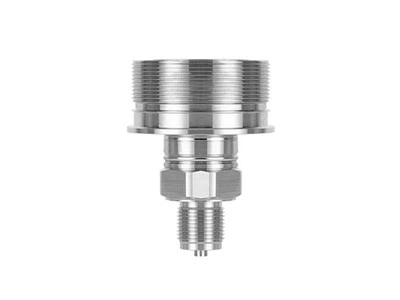
Can a diff pressure transmitter be used in power generation applications? You bet it can! As a supplier of diff pressure transmitters, I've seen firsthand how these nifty devices play a crucial role in power generation. Let's dive into the details and see why they're so important.
How Diff Pressure Transmitters Work
First off, let's quickly go over what a diff pressure transmitter does. It measures the difference in pressure between two points in a system. This might sound simple, but it's a super important function in a whole bunch of industries, including power generation.
The basic idea is that the transmitter has two pressure ports. One port is connected to the high-pressure side of the system, and the other is connected to the low-pressure side. The transmitter then measures the difference between these two pressures and converts it into an electrical signal. This signal can be used to monitor and control various processes in the power generation plant.
Applications in Power Generation
Boiler Efficiency
In a power generation plant, boilers are used to produce steam, which drives the turbines to generate electricity. One of the key factors in boiler efficiency is the proper control of the fuel - air mixture. A diff pressure transmitter can be used to measure the pressure drop across the air filters and fuel nozzles. By monitoring these pressure differences, operators can ensure that the right amount of air and fuel is being supplied to the boiler. This not only improves the efficiency of the boiler but also reduces emissions.
For example, if the pressure drop across an air filter increases, it could indicate that the filter is clogged. The diff pressure transmitter will detect this change and send a signal to the control system, which can then alert the operators to replace the filter. This helps to maintain the optimal performance of the boiler.
Condenser Performance
Condensers are another important component in a power generation plant. Their job is to convert the steam back into water after it has passed through the turbines. A diff pressure transmitter can be used to measure the pressure difference across the condenser tubes. This pressure difference is an indicator of the cleanliness of the tubes and the efficiency of the condensation process.
If the pressure difference increases, it could mean that the tubes are fouled with dirt or scale. The control system can use the signal from the diff pressure transmitter to initiate a cleaning process, such as chemical cleaning or mechanical brushing. This helps to keep the condenser operating at peak efficiency.
Turbine Lubrication System
Turbines in a power generation plant require proper lubrication to operate smoothly. A diff pressure transmitter can be used to monitor the pressure difference across the lubrication oil filters. If the pressure drop across the filter increases, it could indicate that the filter is becoming clogged. This can lead to a decrease in the oil flow to the turbine bearings, which can cause damage to the bearings.
By using a diff pressure transmitter to monitor the filter, operators can replace the filter before it becomes completely clogged. This helps to protect the turbine and ensure its reliable operation.


Our Product Offerings
We offer a range of high - quality diff pressure transmitters that are suitable for power generation applications. One of our popular products is the 2035 Multivariable Transmitter. This transmitter is capable of measuring multiple variables, including differential pressure, static pressure, and temperature. It has a high level of accuracy and reliability, making it ideal for use in demanding power generation environments.
Another great option is the SMP858 - TST - S Gauge Pressure Transmitter. This transmitter is designed to measure gauge pressure with high precision. It has a rugged construction and can withstand harsh conditions, such as high temperatures and vibrations, which are common in power generation plants.
We also have the DMP305X - TLF Gauge Pressure Transmitter. This transmitter is known for its excellent performance and long - term stability. It can be used to measure a wide range of pressures and is suitable for various applications in power generation, including boiler and condenser monitoring.
Advantages of Using Our Diff Pressure Transmitters
High Accuracy
Our transmitters are designed to provide accurate measurements, even in challenging environments. This accuracy is crucial in power generation applications, where small changes in pressure can have a big impact on the efficiency and performance of the plant.
Reliability
Power generation plants operate 24/7, and any downtime can be extremely costly. Our diff pressure transmitters are built to be reliable, with robust construction and high - quality components. They are also tested thoroughly to ensure that they can withstand the harsh conditions of the power generation environment.
Easy Integration
Our transmitters are designed to be easily integrated into existing control systems. They come with standard output signals, such as 4 - 20 mA, which can be easily connected to the plant's control and monitoring equipment. This makes it easy for power generation plant operators to upgrade their systems without having to make major changes.
Conclusion
So, can a diff pressure transmitter be used in power generation applications? Absolutely! These devices play a vital role in ensuring the efficiency, reliability, and safety of power generation plants. Whether it's monitoring boiler efficiency, condenser performance, or turbine lubrication systems, diff pressure transmitters are an essential tool for power generation operators.
If you're in the power generation industry and looking for high - quality diff pressure transmitters, we'd love to hear from you. Our team of experts can help you choose the right product for your specific needs and provide you with the support you need to ensure its successful installation and operation. Contact us today to start the conversation about how our diff pressure transmitters can improve your power generation plant.
References
- "Power Generation Handbook" by Thomas H. Rothwell
- "Industrial Instrumentation and Control Systems" by Bela Liptak