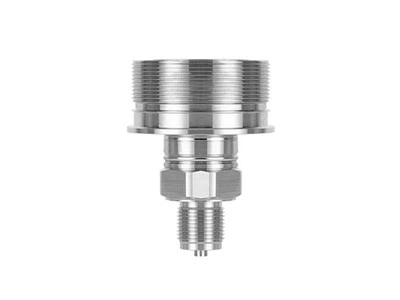
In the realm of industrial instrumentation, differential pressure (DP) type transmitters play a crucial role in measuring and controlling various processes. These devices are widely used in industries such as oil and gas, chemical, power generation, and water treatment, where accurate pressure measurement is essential for ensuring safety, efficiency, and product quality. As a leading supplier of DP type transmitters, we understand the importance of accuracy and reliability in these instruments. In this blog post, we will explore the reference standards used to verify the accuracy of a DP type transmitter and how they ensure the quality of our products.
Understanding DP Type Transmitters
Before delving into the reference standards, it is important to understand the basic principle of a DP type transmitter. A DP transmitter measures the difference in pressure between two points in a system. This differential pressure can be used to determine various process variables such as flow rate, level, and density. The transmitter consists of a sensing element that converts the pressure difference into an electrical signal, which is then processed and transmitted to a control system or display unit.
The accuracy of a DP transmitter is a critical factor in its performance. Even a small error in pressure measurement can lead to significant discrepancies in process control, resulting in reduced efficiency, increased energy consumption, and potential safety hazards. Therefore, it is essential to verify the accuracy of these transmitters regularly using reliable reference standards.
Reference Standards for DP Transmitter Accuracy Verification
There are several reference standards that are commonly used to verify the accuracy of DP type transmitters. These standards provide a set of guidelines and procedures for testing and calibrating the transmitters to ensure that they meet the required accuracy specifications. Some of the most widely recognized reference standards include:
ISO 5167
The International Organization for Standardization (ISO) 5167 standard provides guidelines for the measurement of fluid flow in closed conduits using orifice plates, nozzles, and Venturi tubes. This standard is widely used in the industry for calibrating DP transmitters used in flow measurement applications. ISO 5167 specifies the design, installation, and operation requirements for these flow measurement devices, as well as the methods for calculating the flow rate based on the measured differential pressure.
By following the ISO 5167 standard, manufacturers can ensure that their DP transmitters are calibrated accurately for flow measurement applications. This helps to minimize the measurement uncertainty and improve the overall accuracy of the flow measurement system.
ASME PTC 19.5
The American Society of Mechanical Engineers (ASME) Performance Test Code (PTC) 19.5 standard focuses on the measurement of pressure and vacuum. This standard provides guidelines for the selection, installation, and calibration of pressure measuring instruments, including DP transmitters. ASME PTC 19.5 specifies the requirements for pressure measurement accuracy, uncertainty analysis, and calibration procedures.
Manufacturers can use the ASME PTC 19.5 standard to verify the accuracy of their DP transmitters and ensure that they meet the industry standards for pressure measurement. This standard also provides a framework for conducting performance tests on pressure measuring instruments to evaluate their accuracy and reliability under different operating conditions.

NIST Traceability
The National Institute of Standards and Technology (NIST) is a leading authority in the United States for developing and maintaining measurement standards. NIST traceability refers to the ability to relate a measurement result to a national or international standard through an unbroken chain of calibrations.
For DP transmitters, NIST traceability ensures that the calibration process is based on reliable and well-established standards. Manufacturers can use NIST-traceable calibration equipment and procedures to verify the accuracy of their transmitters and provide customers with confidence in the measurement results. NIST traceability also helps to ensure the compatibility and comparability of measurement results across different laboratories and industries.
Our Commitment to Accuracy and Quality
As a supplier of DP type transmitters, we are committed to providing our customers with high-quality products that meet the highest standards of accuracy and reliability. We use state-of-the-art manufacturing processes and advanced calibration techniques to ensure that our transmitters are accurate and consistent.
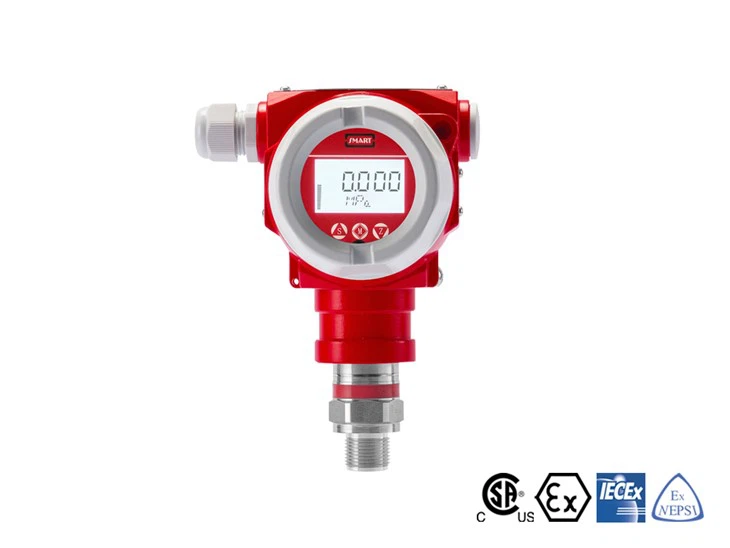
Our product range includes a variety of DP transmitters, such as the DMP305X-TLF Gauge Pressure Transmitter, DMP305X-DST Absolute Pressure Transmitter, and DMP305X-TST-S Gauge Pressure Transmitter. These transmitters are designed to meet the diverse needs of our customers in different industries and applications.
We also offer comprehensive calibration services to ensure that our customers' DP transmitters are always operating at their best. Our calibration facilities are equipped with the latest equipment and are staffed by highly trained technicians who follow strict quality control procedures. We use reference standards that are traceable to national and international standards to ensure the accuracy and reliability of our calibration services.
Importance of Regular Calibration
Regular calibration is essential for maintaining the accuracy of DP type transmitters over time. Due to factors such as environmental conditions, mechanical stress, and component aging, the performance of a transmitter may degrade over time, leading to a decrease in accuracy. By calibrating the transmitter at regular intervals, these changes can be detected and corrected, ensuring that the transmitter continues to provide accurate measurements.
The frequency of calibration depends on several factors, including the application, the operating conditions, and the manufacturer's recommendations. In general, it is recommended to calibrate DP transmitters at least once a year, or more frequently if the operating conditions are harsh or if the accuracy requirements are high.
Conclusion
In conclusion, the accuracy of DP type transmitters is a critical factor in their performance and reliability. By using reliable reference standards such as ISO 5167, ASME PTC 19.5, and NIST traceability, manufacturers can ensure that their transmitters are calibrated accurately and meet the required accuracy specifications.
As a leading supplier of DP type transmitters, we are committed to providing our customers with high-quality products and services that meet the highest standards of accuracy and reliability. Our range of transmitters, including the DMP305X-TLF Gauge Pressure Transmitter, DMP305X-DST Absolute Pressure Transmitter, and DMP305X-TST-S Gauge Pressure Transmitter, are designed to provide accurate and reliable pressure measurement in a variety of applications.
If you are looking for a reliable supplier of DP type transmitters or need calibration services for your existing transmitters, please contact us to discuss your requirements. Our team of experts will be happy to assist you in finding the right solution for your needs.
References
- ISO 5167-1:2018, Measurement of fluid flow by means of pressure differential devices inserted in circular cross-section conduits running full - Part 1: General principles and requirements.
- ASME PTC 19.5-2016, Pressure and Vacuum Measurements.
- National Institute of Standards and Technology (NIST) website for information on traceability and measurement standards.