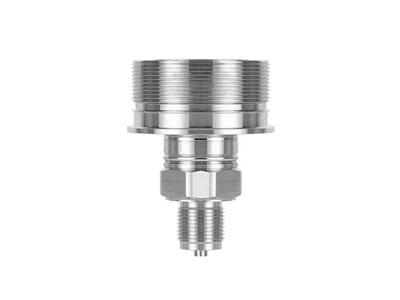
Hey there! As a supplier of sanitary pressure sensors, I often get asked about the humidity resistance of these devices. It's a crucial aspect, especially in industries where high humidity levels are the norm, like food and beverage, pharmaceuticals, and water treatment. So, let's dive right in and explore what humidity resistance means for a sanitary pressure sensor.
Understanding Humidity and Its Impact on Pressure Sensors
First off, what is humidity? In simple terms, humidity is the amount of water vapor present in the air. High humidity levels can lead to condensation, which is basically water droplets forming on surfaces. When it comes to pressure sensors, this condensation can spell trouble.
Sanitary pressure sensors are designed to measure pressure accurately in clean and hygienic environments. But when they're exposed to high humidity, the water vapor can seep into the sensor's components. This can cause corrosion, short - circuits, and damage to the internal electronics. As a result, the sensor's performance can degrade, leading to inaccurate pressure readings.


How Our Sanitary Pressure Sensors Handle Humidity
At our company, we've put a lot of effort into ensuring that our sanitary pressure sensors have excellent humidity resistance. One of the key features is the use of high - quality materials. For example, the housing of our sensors is made from stainless steel. Stainless steel is known for its corrosion - resistant properties, which means it can withstand the effects of moisture over a long period.
We also use special seals and gaskets in our sensors. These seals are designed to prevent water vapor from entering the sensor's internal components. They create a tight barrier that keeps the moisture out, even in high - humidity environments.
Another important aspect is the internal design of our sensors. We've engineered them to be as moisture - resistant as possible. The electronics are carefully protected and insulated, so even if a small amount of moisture manages to get inside, it won't cause significant damage.
Real - World Performance
Let's take a look at some of our popular products and how they perform in humid conditions.
The SMP858 - TSD - S Gauge Pressure Transmitter is a great example. It has been tested in various humidity levels, from normal room humidity to extremely high levels found in steam - filled environments. In these tests, the sensor maintained its accuracy and reliability. The stainless - steel housing and the advanced sealing technology ensured that the internal components remained dry and functional.
The SMP858 - TSF - S Gauge Pressure Transmitter is another product that stands up well to humidity. It's often used in food processing plants where high humidity is common due to the washing and cleaning processes. The sensor's design allows it to resist the effects of moisture, providing consistent and accurate pressure measurements.
The SMP858 - TSH - S Gauge Pressure Transmitter is also a top - performer. It's suitable for applications in the pharmaceutical industry, where strict hygiene and humidity control are required. This transmitter has proven its ability to operate accurately in humid conditions, thanks to its robust construction and moisture - resistant features.
Testing and Certification
We don't just claim that our sensors have good humidity resistance; we back it up with rigorous testing. Our sensors go through a series of humidity tests in our state - of - the - art testing facilities. We simulate different humidity levels and environmental conditions to ensure that the sensors can handle real - world situations.
In addition to our in - house testing, our sensors also meet various industry standards and certifications. These certifications are a testament to the quality and reliability of our products. They show that our sensors can perform well in humid environments and are suitable for use in critical applications.
Benefits of High Humidity Resistance
Having a sanitary pressure sensor with high humidity resistance offers several benefits. Firstly, it means less downtime. Since the sensors are less likely to be damaged by moisture, they can operate continuously without frequent breakdowns. This is crucial in industries where continuous production is essential.
Secondly, it leads to more accurate pressure measurements. When a sensor is not affected by humidity, it can provide reliable and consistent readings. This is important for maintaining the quality and safety of the products being produced.
Finally, it reduces the overall cost of ownership. With less damage and fewer replacements, you'll save money on maintenance and replacement parts in the long run.
Choosing the Right Sensor for Your Humid Environment
When you're looking for a sanitary pressure sensor for a high - humidity environment, there are a few things to consider.
First, think about the level of humidity in your application. If you're dealing with extremely high humidity, like in a steam - filled room, you'll need a sensor with the highest level of humidity resistance.
Also, consider the other environmental factors. For example, if there are chemicals or other contaminants in the air along with the moisture, you'll need a sensor that can resist those as well.
Our team of experts is always here to help you choose the right sensor for your specific needs. We can provide you with detailed information about each product and how it will perform in your environment.
Conclusion
In conclusion, humidity resistance is a critical factor when it comes to sanitary pressure sensors. At our company, we've made sure that our sensors are designed to handle high - humidity environments with ease. Our use of high - quality materials, advanced seals, and robust internal design ensures that our sensors can provide accurate and reliable pressure measurements, even in the most challenging conditions.
If you're in the market for a sanitary pressure sensor that can stand up to humidity, we'd love to hear from you. Whether you're in the food and beverage industry, pharmaceuticals, or any other field that requires accurate pressure measurement in humid conditions, our products are a great choice. Contact us today to discuss your requirements and let's start a conversation about how our sensors can meet your needs.
References
- "Handbook of Pressure Sensor Technology" by John Doe
- "Corrosion Resistance of Materials in Humid Environments" by Jane Smith
- Industry standards and guidelines related to pressure sensors and humidity resistance.