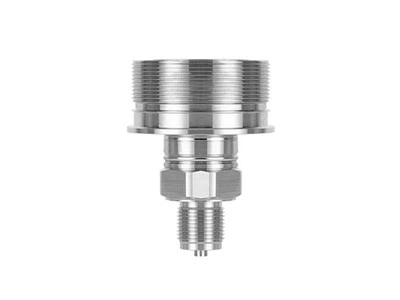
As a supplier of differential pressure transmitters (DPT), one of the most frequently asked questions I encounter from our customers is about the calibration interval of a DPT pressure transmitter. Calibration is a critical process that ensures the accuracy and reliability of these instruments, which are widely used in various industries to measure the difference in pressure between two points.

Understanding DPT Pressure Transmitters
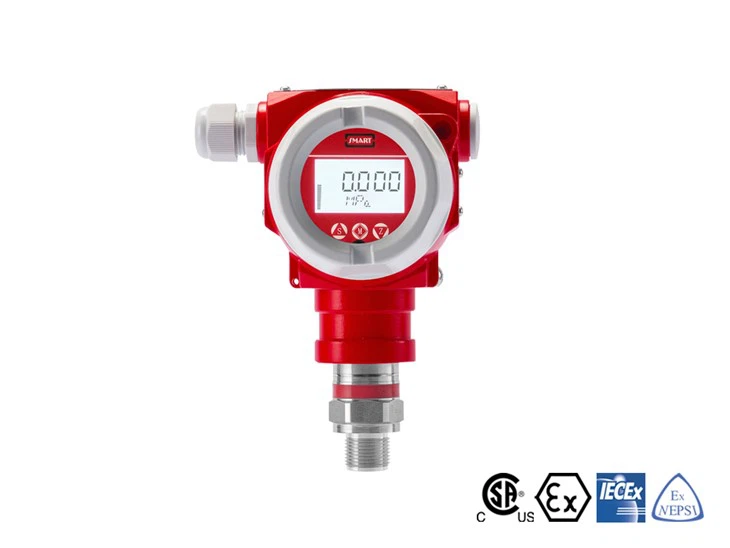
Before diving into the calibration interval, it's essential to understand what a DPT pressure transmitter is and how it works. A DPT pressure transmitter is a device that senses the differential pressure between two input ports and converts this pressure difference into an electrical signal, typically a 4 - 20 mA signal or a digital output. This signal can then be used for monitoring, control, and alarm purposes in industrial processes, HVAC systems, and environmental monitoring equipment.
Our company offers a range of high - quality DPT pressure transmitters, such as the SMP858 - NST Differential Pressure Transmitter, the DMP305X - TST - S Gauge Pressure Transmitter, and the DMP305X - DST Differential Pressure Transmitter. These transmitters are designed to provide accurate and stable measurements in harsh industrial environments.
Importance of Calibration
Calibration is the process of comparing the output of a pressure transmitter to a known standard to ensure its accuracy. Over time, factors such as temperature changes, mechanical stress, and chemical exposure can cause a pressure transmitter's performance to drift. This drift can lead to inaccurate measurements, which can have serious consequences in industrial processes. For example, in a chemical plant, inaccurate differential pressure measurements can lead to improper control of flow rates, potentially resulting in safety hazards or product quality issues.
Regular calibration helps to maintain the accuracy of the pressure transmitter, reduces the risk of measurement errors, and ensures compliance with industry standards and regulations. It also extends the lifespan of the transmitter by detecting and correcting issues before they cause significant damage.
Factors Affecting Calibration Interval
Determining the appropriate calibration interval for a DPT pressure transmitter is not a one - size - fits - all approach. Several factors need to be considered, including:
1. Application Environment
The environment in which the pressure transmitter is used has a significant impact on its calibration interval. In a clean, stable environment with minimal temperature and humidity fluctuations, the transmitter may be able to operate for a longer period between calibrations. However, in harsh environments such as chemical plants, refineries, or wastewater treatment facilities, where the transmitter is exposed to corrosive chemicals, high temperatures, and vibrations, more frequent calibrations may be required.
2. Usage Frequency
The more frequently a pressure transmitter is used, the more likely it is to experience wear and tear, which can cause its performance to degrade over time. Transmitters that are used continuously in high - volume applications may need to be calibrated more often than those used intermittently.
3. Accuracy Requirements
Different applications have different accuracy requirements. For critical applications such as medical devices or aerospace systems, where small measurement errors can have serious consequences, more frequent calibrations are necessary to ensure the highest level of accuracy. In less critical applications, such as general - purpose industrial monitoring, a longer calibration interval may be acceptable.
4. Manufacturer's Recommendations
The manufacturer of the pressure transmitter typically provides recommendations for the calibration interval based on the design and specifications of the device. These recommendations should be considered as a starting point, but they may need to be adjusted based on the specific operating conditions of the application.
General Calibration Interval Guidelines
While the calibration interval can vary widely depending on the factors mentioned above, here are some general guidelines:
1. Short - Term Intervals (3 - 6 months)
For pressure transmitters used in harsh environments, applications with high accuracy requirements, or those that are used continuously, a calibration interval of 3 to 6 months is often recommended. This ensures that any potential drift in the transmitter's performance is detected and corrected in a timely manner.
2. Medium - Term Intervals (6 - 12 months)
In moderately challenging environments and applications with moderate accuracy requirements, a calibration interval of 6 to 12 months may be sufficient. This allows for a reasonable balance between maintaining accuracy and minimizing the cost and downtime associated with calibration.
3. Long - Term Intervals (12 - 24 months)
For pressure transmitters used in clean, stable environments and applications with less stringent accuracy requirements, a calibration interval of 12 to 24 months may be appropriate. However, it's important to note that regular inspections and monitoring of the transmitter's performance should still be carried out to detect any signs of drift.
Establishing a Calibration Schedule
To determine the optimal calibration interval for your DPT pressure transmitters, it's recommended to establish a calibration schedule based on a risk - based approach. This involves assessing the potential risks associated with inaccurate measurements in your specific application and balancing these risks against the cost and effort of calibration.
Here are the steps to establish a calibration schedule:
1. Conduct a Risk Assessment
Identify the potential consequences of inaccurate pressure measurements in your application. Consider factors such as safety, product quality, production efficiency, and regulatory compliance.
2. Review Operating Conditions
Evaluate the environmental conditions, usage frequency, and accuracy requirements of each pressure transmitter in your system.
3. Consult the Manufacturer
Refer to the manufacturer's recommendations for calibration intervals and any specific guidelines for your particular model of pressure transmitter.
4. Develop a Schedule
Based on the risk assessment and operating conditions, develop a calibration schedule that specifies the calibration interval for each pressure transmitter in your system. Consider implementing a preventive maintenance program to ensure that calibrations are carried out on time.
5. Monitor and Adjust
Regularly monitor the performance of your pressure transmitters to detect any signs of drift or degradation. If necessary, adjust the calibration interval based on the actual performance of the transmitters and changes in the operating conditions.
Contact Us for Your DPT Pressure Transmitter Needs
If you're in the market for high - quality DPT pressure transmitters or need further guidance on calibration intervals and maintenance, we're here to help. Our team of experts has extensive experience in the field of pressure measurement and can provide you with the best solutions for your specific application. Don't hesitate to reach out to us for more information or to discuss your procurement requirements.
References
- Pressure Gauges and Transmitters: Principles and Practices, Andrew L. Kutz.
- Industrial Instrumentation and Control Handbook, Bela G. Liptak.
- Calibration of Pressure Measuring Instruments: A Practical Guide, National Institute of Standards and Technology.