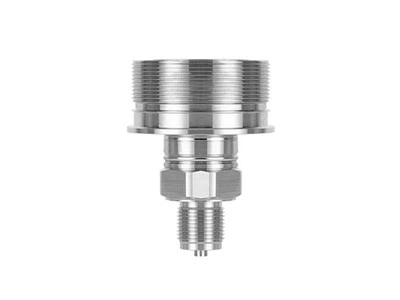
Hey there! As a supplier of DPT (Differential Pressure Transmitter) products, I often get asked about how accurate these transmitters really are. It's a crucial question, especially when you're relying on these devices for important industrial processes. So, let's dive right in and explore the accuracy of DPT transmitters.
First off, what is a DPT transmitter? Well, it's a device that measures the difference in pressure between two points. This measurement is super important in a whole bunch of industries, like HVAC (Heating, Ventilation, and Air Conditioning), oil and gas, and water treatment. In HVAC systems, for example, DPT transmitters help control the flow of air and ensure that the temperature and humidity are just right. In the oil and gas industry, they're used to monitor the pressure in pipelines and wells, which is vital for safety and efficiency.
Now, let's talk about accuracy. The accuracy of a DPT transmitter is usually expressed as a percentage of the full-scale output. For instance, if a transmitter has an accuracy of ±0.1%, and its full-scale output is 100 psi, then the measurement could be off by up to ±0.1 psi. That might not seem like a lot, but in some applications, even a small error can have big consequences.
There are several factors that can affect the accuracy of a DPT transmitter. One of the main ones is temperature. Most DPT transmitters are calibrated at a specific temperature, usually around 25°C (77°F). If the operating temperature is different from the calibration temperature, it can cause the accuracy to change. This is because the materials used in the transmitter can expand or contract with temperature, which affects the measurement.
Another factor is pressure cycling. Every time the pressure changes, it puts stress on the internal components of the transmitter. Over time, this can cause wear and tear, which can lead to a decrease in accuracy. That's why it's important to choose a transmitter that's designed to handle the specific pressure cycling conditions of your application.
The quality of the manufacturing process also plays a big role in accuracy. At our company, we use state-of-the-art manufacturing techniques and high-quality materials to ensure that our transmitters are as accurate as possible. We also perform rigorous testing on every transmitter before it leaves the factory to make sure it meets our strict quality standards.
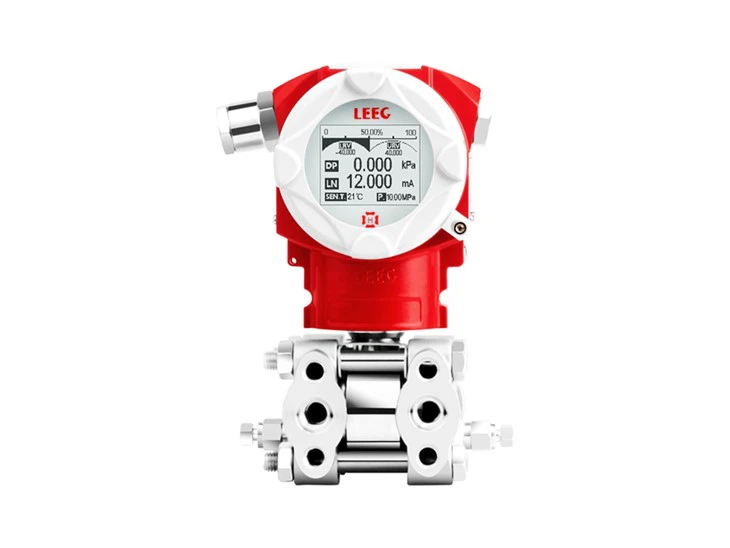

Let's take a look at some of our products. We have the 2035 Multivariable Transmitter, which is a really versatile device. It can measure not only differential pressure but also absolute pressure and temperature. This makes it a great choice for applications where you need to monitor multiple variables at the same time. The 2035 has an accuracy of up to ±0.075%, which is pretty impressive.
Then there's the SMP858-NST Differential Pressure Transmitter. This one is designed for applications where you need high accuracy and reliability. It has a stainless-steel housing, which makes it resistant to corrosion and harsh environments. The SMP858-NST has an accuracy of up to ±0.05%, which is even better than the 2035 in terms of accuracy.
And we also have the DMP305X-DST Absolute Pressure Transmitter. This transmitter is ideal for applications where you need to measure absolute pressure, like in vacuum systems. It has an accuracy of up to ±0.1%, which is still very good for most applications.
So, how can you ensure that you're getting the most accurate measurement from your DPT transmitter? First of all, make sure you choose the right transmitter for your application. Consider factors like the range of pressure you need to measure, the operating temperature, and the level of accuracy required.
Installation is also important. Make sure the transmitter is installed correctly, following the manufacturer's instructions. Incorrect installation can cause errors in the measurement. For example, if the transmitter is not level, it can affect the accuracy of the measurement.
Regular maintenance is another key factor. Over time, the performance of the transmitter can degrade due to factors like dust, dirt, and vibration. By performing regular maintenance, such as cleaning the transmitter and checking the connections, you can ensure that it continues to operate accurately.
In addition to these steps, it's also a good idea to calibrate the transmitter regularly. Calibration involves comparing the output of the transmitter to a known standard and adjusting it if necessary. This helps to ensure that the measurement is accurate and reliable.
In conclusion, the accuracy of a DPT transmitter depends on several factors, including temperature, pressure cycling, and the quality of the manufacturing process. By choosing the right transmitter for your application, installing it correctly, performing regular maintenance, and calibrating it regularly, you can ensure that you're getting the most accurate measurement possible.
If you're in the market for a DPT transmitter and want to learn more about our products, or if you have any questions about accuracy or any other aspect of our transmitters, don't hesitate to reach out. We're here to help you find the best solution for your needs.
References
- "Pressure Measurement Handbook"
- "Industrial Instrumentation and Control Handbook"