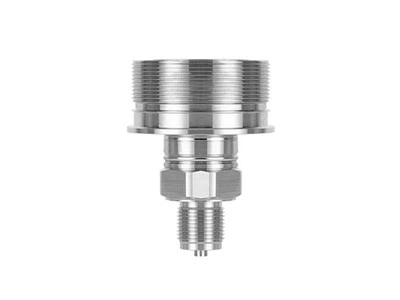
We're a pressure sensor supplier, and I've seen my fair share of sensor failures. It's always a bummer when a sensor conks out, whether it's in a high - stakes industrial setting or a simple home device. So, let's dig into what causes a pressure sensor to fail.
Physical Damage
One of the most obvious reasons for sensor failure is physical damage. Pressure sensors are often used in harsh environments, like factories, oil rigs, or even in automotive engines. In these places, they're at risk of being bumped, dropped, or crushed. For example, if a heavy object accidentally falls on a sensor, it can crack the delicate components inside. A cracked sensor diaphragm, which is a key part for measuring pressure, can lead to inaccurate readings or a complete sensor failure.
Take the SPH19T Monosilicon Pressure Sensor, for instance. Its monosilicon design gives it great sensitivity and accuracy, but it's still not invincible to physical knocks. If the casing of this sensor gets cracked during installation or due to rough handling later on, moisture and dust can seep in. This can then corrode the electronic circuits and disrupt the sensor's normal operation.
Overpressure
Overpressure is another major culprit. Pressure sensors are designed to work within a specific pressure range. When the pressure goes beyond this range, it can cause permanent damage. Imagine a sensor that's rated for a maximum pressure of 100 psi. If the actual pressure suddenly spikes to 200 psi, it's like asking a marathon runner to sprint a 100 - yard dash at full speed non - stop.
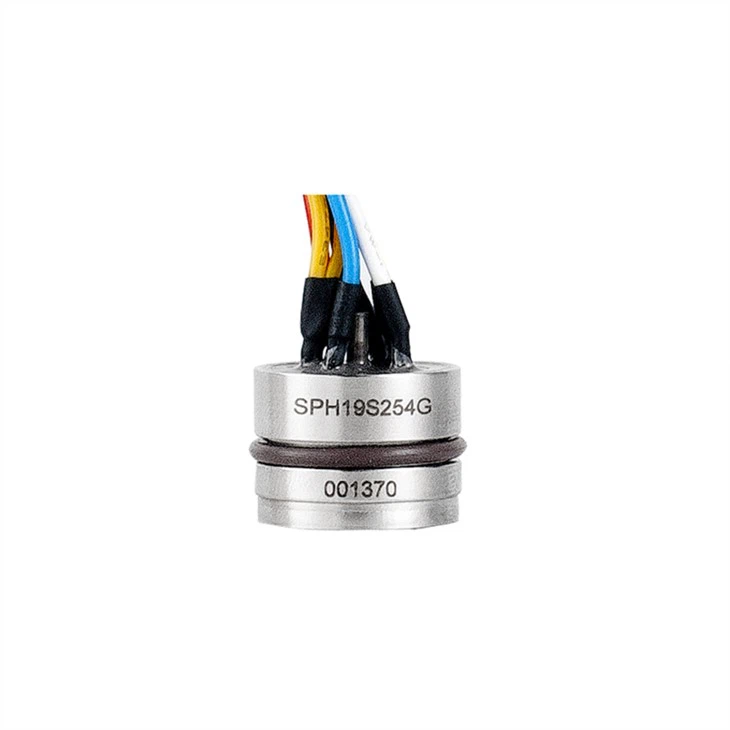
The diaphragm in a pressure sensor can deform under excessive pressure. Once deformed, it may not return to its original shape, and this compromises the sensor's ability to accurately measure pressure. We've had customers come to us complaining about inaccurate readings from their SPH19S Monosilicon Pressure Sensor. After investigation, we found that they had experienced a brief but intense overpressure event, which caused the diaphragm to warp.

Chemical Exposure
Pressure sensors can also be affected by the chemicals they come into contact with. In industrial settings, sensors are often exposed to various corrosive chemicals, such as acids and alkalis. These chemicals can eat away at the sensor's materials. For example, if a sensor is installed in a chemical processing plant where there are fumes of hydrochloric acid in the air, the acid can react with the metal parts of the sensor.
The electrical connections in a sensor can also be damaged by chemical corrosion. When these connections are corroded, the electrical signals that the sensor generates and sends to the control system can be interrupted or distorted. Our SP38D UART Monosilicon Pressure Sensor is built to be quite robust, but prolonged exposure to highly corrosive substances can still cause problems.
Temperature Extremes
Temperature has a big impact on pressure sensors. Extreme heat or cold can mess with the sensor's performance. At high temperatures, the materials in the sensor can expand. This expansion can change the dimensions of the diaphragm and other components, leading to inaccurate pressure readings.
On the other hand, extremely cold temperatures can make the materials brittle. A cold - made brittle sensor is more likely to crack under normal operating pressures. For example, in a refrigeration system where the temperature can drop well below freezing, a pressure sensor needs to be able to withstand these cold conditions. If the sensor isn't designed for such low temperatures, it may start to give inaccurate readings or fail completely.
Electrical Issues
Electrical problems are also common causes of pressure sensor failure. Power surges can fry the electronic circuits inside the sensor. A sudden spike in voltage can damage the microchips and other electrical components. This can happen due to lightning strikes, faulty power supplies, or electrical interference in the surrounding area.
Poor electrical connections can also lead to problems. Loose wires or corroded terminals can cause intermittent electrical signals or complete signal loss. When the sensor can't send accurate signals to the control system, it's as good as useless.
Aging
Just like us humans, pressure sensors age. Over time, the materials in the sensor degrade. The diaphragm may lose its flexibility, and the electronic components may become less reliable. The longer a sensor is in use, the more likely it is to develop problems. Regular maintenance and testing can help detect early signs of aging, but eventually, even the best - made sensors will need to be replaced.
Prevention and Solutions
To prevent these failures, proper installation, and regular maintenance are key. During installation, make sure the sensor is properly aligned and secured. Avoid placing it in areas where it's likely to be physically damaged or exposed to extreme conditions.
Regularly check the sensor for signs of wear and tear, such as cracks in the casing or corrosion on the electrical connections. If you suspect that a sensor might be failing, test it using a calibration device. And of course, choose the right sensor for the job. Make sure it's rated to handle the expected pressure, temperature, and chemical exposure in your application.
If you're in the market for high - quality pressure sensors, we're here to help. Our range of products, including the SPH19T Monosilicon Pressure Sensor, SPH19S Monosilicon Pressure Sensor, and SP38D UART Monosilicon Pressure Sensor, are designed to be reliable and accurate. If you have any questions about our products or need help selecting the right sensor for your needs, don't hesitate to reach out to us. We're eager to discuss your requirements and help you find the perfect solution.
References
- "Pressure Sensor Technology Handbook"
- "Industrial Sensors: Types, Applications, and Maintenance"