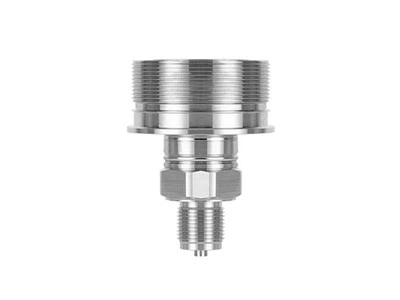
Hygienic pressure sensors are crucial components in various industries, especially those with strict hygiene requirements such as food and beverage, pharmaceutical, and biotechnology. These sensors are designed to measure pressure accurately in environments where cleanliness and sterility are of utmost importance. However, like any other equipment, hygienic pressure sensors may encounter issues over time that require repair. In this blog post, I'll share some common repair methods for hygienic pressure sensors, drawing on my experience as a hygienic pressure sensor supplier.
Understanding the Basics of Hygienic Pressure Sensors
Before delving into the repair methods, it's essential to understand the basic working principle of hygienic pressure sensors. These sensors typically use a diaphragm to sense pressure changes. When pressure is applied to the diaphragm, it deflects, and this deflection is converted into an electrical signal proportional to the pressure. The electrical signal is then processed and transmitted to a control system or display unit.
Hygienic pressure sensors are constructed with materials that are resistant to corrosion and can withstand high - temperature cleaning processes. They often have smooth surfaces to prevent the accumulation of dirt, bacteria, and other contaminants.
Common Issues with Hygienic Pressure Sensors
- Zero Drift: This occurs when the sensor outputs a non - zero signal when there is no pressure applied. Zero drift can be caused by factors such as temperature changes, aging of components, or mechanical stress.
- Span Error: Span error refers to the deviation of the sensor's output signal from the expected value at the full - scale pressure. It can be due to calibration issues, damage to the sensing element, or electrical problems.
- Diaphragm Damage: The diaphragm is a critical part of the pressure sensor. Physical damage to the diaphragm, such as punctures, cracks, or excessive deformation, can lead to inaccurate pressure measurements.
- Electrical Connection Problems: Loose or corroded electrical connections can cause intermittent or incorrect signals. This can be a result of vibration, poor installation, or exposure to harsh environmental conditions.
- Contamination: Although hygienic pressure sensors are designed to resist contamination, over time, contaminants can still accumulate on the sensor surface or inside the sensor. This can affect the sensor's performance and accuracy.
Repair Methods
1. Calibration
Calibration is one of the most common and effective repair methods for hygienic pressure sensors. It involves adjusting the sensor's output to match a known pressure reference.

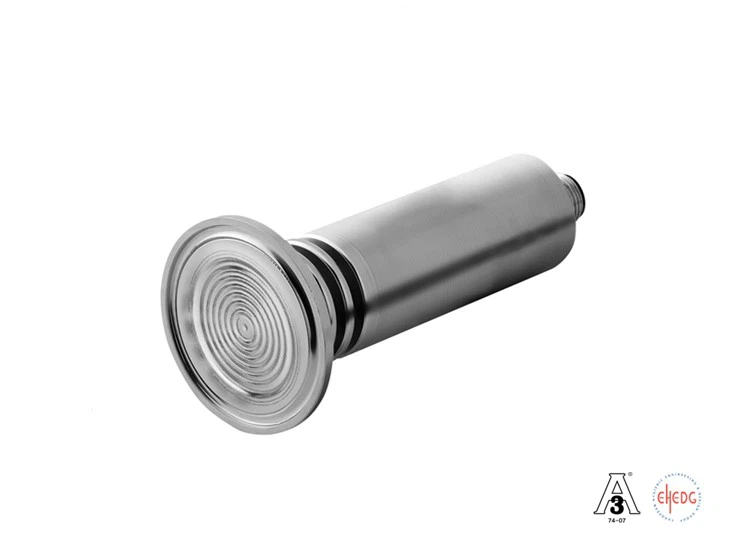
- Zero Calibration: To perform zero calibration, the sensor should be exposed to a zero - pressure environment. This can be achieved by disconnecting the pressure source and ensuring that the sensor is at atmospheric pressure. Using a calibration tool, the zero - point output of the sensor is adjusted until it reads zero.
- Span Calibration: For span calibration, the sensor is subjected to a known full - scale pressure. The output signal is then adjusted to match the expected value corresponding to this pressure. Calibration should be performed regularly, especially after long - term use or when the sensor has been exposed to extreme conditions.
2. Diaphragm Replacement
If the diaphragm is damaged, it needs to be replaced. This is a more complex repair process that requires specialized tools and skills.
- Disassembly: First, the sensor needs to be carefully disassembled. This involves removing any protective covers, electrical connections, and mounting hardware. Special care should be taken not to damage other components during the disassembly process.
- Removal of the Old Diaphragm: Once the sensor is disassembled, the old diaphragm is removed. This may require the use of precision tools to avoid causing further damage to the sensor body.
- Installation of the New Diaphragm: The new diaphragm should be of the same specifications as the original one. It needs to be installed correctly, ensuring proper alignment and sealing. After installation, the sensor should be reassembled, and a calibration process should be carried out to ensure accurate operation.
3. Electrical Connection Repair
When there are electrical connection problems, the following steps can be taken:
- Inspection: Check all electrical connections for looseness, corrosion, or damage. This includes wires, connectors, and terminals.
- Cleaning: If corrosion is detected, clean the affected areas using an appropriate cleaning agent. Be careful not to damage the electrical components during cleaning.
- Tightening: Tighten any loose connections to ensure a secure electrical contact. If necessary, replace damaged wires or connectors.
4. Contamination Removal
To remove contaminants from the sensor:
- External Cleaning: Use a mild cleaning solution and a soft cloth to clean the external surface of the sensor. Avoid using abrasive materials that could scratch the sensor surface.
- Internal Cleaning: For internal contamination, the sensor may need to be disassembled. In some cases, ultrasonic cleaning can be used to remove stubborn contaminants. However, this should be done with caution as it may damage sensitive components. After cleaning, the sensor should be thoroughly dried and reassembled.
Case Studies of Our Products
We offer a range of high - quality hygienic pressure sensors, such as the SMP858 - NSF Differential Pressure Transmitter, SMP858 - TSH - S Gauge Pressure Transmitter, and SMP858 - TSF - S Gauge Pressure Transmitter.
In one case, a customer in the food processing industry reported that their SMP858 - NSF Differential Pressure Transmitter was showing inaccurate readings. After a thorough inspection, we found that the sensor had suffered from zero drift due to long - term exposure to high - temperature cleaning processes. We performed a calibration on the sensor, adjusting both the zero and span points. After calibration, the sensor's accuracy was restored, and it continued to operate normally in the customer's production line.
In another instance, a pharmaceutical company had an issue with their SMP858 - TSH - S Gauge Pressure Transmitter. The problem was traced back to a damaged diaphragm. Our technicians replaced the diaphragm following the proper procedures and then calibrated the sensor. The sensor was then returned to the customer, and it resumed its reliable operation.
Conclusion
Hygienic pressure sensors play a vital role in industries where hygiene and accurate pressure measurement are essential. By understanding the common issues and repair methods, users can ensure the long - term performance and reliability of these sensors.
If you are experiencing problems with your hygienic pressure sensors or are interested in purchasing high - quality sensors, we are here to help. Our team of experts can provide you with professional advice on sensor repair, maintenance, and selection. Contact us for more information and to start a purchase negotiation.
References
- Doebelin, E. O. (2003). Measurement Systems: Application and Design. McGraw - Hill.
- O'Haver, T. C. (2007). Pressure Measurement: Fundamentals and Applications. Elsevier.
- ISO 10294 - 1:2018. Hygienic applications of machinery for the food industry - Part 1: General requirements.