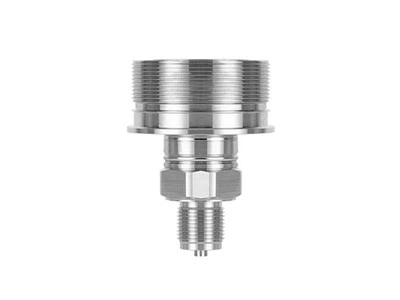
As a supplier of DP (Differential Pressure) type transmitters, I've witnessed firsthand the transformative power of firmware upgrades. In the dynamic world of industrial instrumentation, these upgrades are not mere technicalities but strategic investments that unlock a multitude of benefits for users. In this blog post, I'll delve into the advantages of upgrading the firmware of a DP type transmitter, leveraging my experience in the industry and highlighting the capabilities of our products such as the SMP858-DST Differential Pressure Transmitter, 2035 Multivariable Transmitter, and DMP305X-DST Absolute Pressure Transmitter.
1. Enhanced Accuracy and Precision
One of the primary benefits of firmware upgrades is the improvement in accuracy and precision. Over time, manufacturers refine their algorithms and calibration techniques to reduce measurement errors. By upgrading the firmware of a DP type transmitter, users can take advantage of these advancements. For instance, our latest firmware updates for the SMP858-DST Differential Pressure Transmitter incorporate sophisticated signal processing algorithms that filter out noise and interference, resulting in more accurate differential pressure readings. This enhanced accuracy is crucial in applications where even the slightest error can have significant consequences, such as in chemical processing plants or power generation facilities.

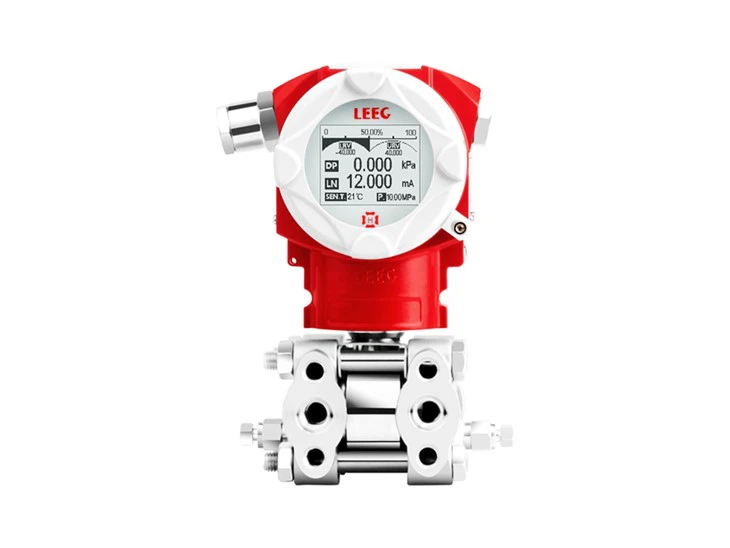
In addition to reducing measurement errors, firmware upgrades can also improve the long-term stability of the transmitter. Temperature fluctuations, pressure variations, and other environmental factors can cause gradual drift in the measurement output. However, with the latest firmware, the transmitter can automatically compensate for these changes, ensuring consistent and reliable performance over extended periods. This not only reduces the need for frequent recalibration but also minimizes the risk of process upsets due to inaccurate measurements.
2. Expanded Functionality
Firmware upgrades often introduce new features and functionality to the DP type transmitter, enhancing its versatility and adaptability to different applications. For example, our 2035 Multivariable Transmitter can be upgraded to include additional measurement capabilities, such as temperature and flow rate calculations. This allows users to obtain more comprehensive process information from a single device, eliminating the need for multiple sensors and reducing installation costs.
Furthermore, firmware upgrades can improve the communication capabilities of the transmitter. Many modern DP type transmitters support digital communication protocols such as HART, Modbus, and Profibus. By upgrading the firmware, users can take advantage of the latest communication features, such as faster data transfer rates, improved diagnostic capabilities, and enhanced compatibility with other devices in the control system. This enables seamless integration of the transmitter into the overall process automation network, facilitating real-time monitoring and control.
3. Improved Diagnostic and Maintenance Features
Another significant benefit of firmware upgrades is the enhancement of diagnostic and maintenance features. The latest firmware versions often include advanced diagnostic algorithms that can detect and diagnose potential problems in the transmitter before they cause a failure. For instance, the firmware may monitor the internal temperature, supply voltage, and sensor performance, and issue alerts if any parameters deviate from the normal range. This early warning system allows maintenance personnel to take proactive measures to prevent downtime and minimize repair costs.
In addition to diagnostic capabilities, firmware upgrades can also simplify the maintenance process. For example, some transmitters can be remotely configured and calibrated using software tools, eliminating the need for on-site visits. This not only saves time and labor but also reduces the risk of human error during the calibration process. Moreover, the firmware can store historical data and diagnostic information, which can be used for trend analysis and predictive maintenance. By analyzing this data, users can identify patterns and potential issues, and schedule maintenance activities at the optimal time.
4. Compliance with Industry Standards and Regulations
The industrial environment is subject to a wide range of standards and regulations, which are constantly evolving to ensure safety, reliability, and environmental protection. Firmware upgrades can help ensure that the DP type transmitter remains compliant with these standards. For example, new regulations may require more stringent safety features or improved data security measures. By upgrading the firmware, the transmitter can be updated to meet these requirements, avoiding potential compliance issues and associated penalties.
Moreover, firmware upgrades can also help users stay ahead of the technological curve and adopt the latest industry best practices. As new technologies and standards emerge, the firmware can be updated to incorporate these advancements, ensuring that the transmitter remains competitive and provides the best possible performance. This is particularly important in industries such as oil and gas, where safety and reliability are of utmost importance.
5. Cost Savings
While the initial cost of a firmware upgrade may seem like an additional expense, it can actually result in significant cost savings in the long run. By improving accuracy and precision, reducing downtime, and simplifying maintenance, firmware upgrades can enhance the overall efficiency of the process. This can lead to increased productivity, reduced waste, and lower operating costs.
For example, in a manufacturing plant, a more accurate DP type transmitter can help optimize the process parameters, resulting in higher product quality and reduced scrap rates. In a power generation facility, improved stability and reliability can prevent costly downtime and unscheduled maintenance. Additionally, the ability to remotely configure and calibrate the transmitter can save on travel and labor costs associated with on-site maintenance.
Contact Us for a Seamless Upgrade
In conclusion, upgrading the firmware of a DP type transmitter offers a multitude of benefits, including enhanced accuracy, expanded functionality, improved diagnostic capabilities, compliance with industry standards, and cost savings. At [Supplier's Brand], we are committed to providing our customers with the latest firmware updates to ensure that their DP type transmitters perform at their best.
If you are interested in upgrading the firmware of your SMP858-DST Differential Pressure Transmitter, 2035 Multivariable Transmitter, or DMP305X-DST Absolute Pressure Transmitter, or if you have any questions about our products or services, please feel free to contact our sales team. We will be happy to assist you in making the most of your investment in our DP type transmitters.
References
- Manufacturer's documentation for SMP858-DST Differential Pressure Transmitter.
- Technical specifications of 2035 Multivariable Transmitter.
- Product manual for DMP305X-DST Absolute Pressure Transmitter.
- Industry reports on the benefits of firmware upgrades in industrial instrumentation.