Can dp level measurement be used for multi - phase level measurement?
Hey there! I'm a supplier of dp (differential pressure) level measurement equipment, and I get this question a lot. So, let's dig into whether dp level measurement can be used for multi - phase level measurement.
First off, let's quickly cover what dp level measurement is. In simple terms, differential pressure level measurement works by measuring the difference in pressure between the top and bottom of a tank or vessel. The pressure difference is proportional to the height of the fluid column above the lower pressure tap. It's a pretty common and reliable method for measuring the level of single - phase fluids like water, oil, or various chemicals.


Now, when we talk about multi - phase level measurement, we're dealing with situations where there are multiple substances in different phases, like a mixture of liquid and gas, or liquid, gas, and a solid phase (think of a tank with oil, water, and some sediment at the bottom). This is a whole different ballgame compared to single - phase measurement.
The big challenge with using dp level measurement for multi - phase scenarios is the variability in density. In a single - phase fluid, we can assume a relatively constant density, which makes it easy to calculate the level based on the pressure difference. But in a multi - phase system, the density can change drastically depending on the composition and distribution of the different phases.
Let's say we have a tank with a layer of oil on top of water. The density of oil is lower than that of water. If we try to use dp level measurement without taking this density difference into account, we're going to get inaccurate readings. The pressure at the bottom of the tank is affected by both the height and density of the two liquid layers.
However, that doesn't mean dp level measurement can't be used for multi - phase level measurement at all. With some clever engineering and additional considerations, we can make it work.
One approach is to use a combination of sensors. For example, we can pair a dp level transmitter with a density sensor. The density sensor can provide real - time information about the density of the fluid at different points in the tank. By integrating this density data with the pressure readings from the dp transmitter, we can calculate the levels of each phase more accurately.
Another way is to use a differential pressure transmitter with compensation algorithms. These algorithms are designed to account for the changing density in a multi - phase system. They take into consideration factors like temperature, pressure, and the known properties of the different phases to adjust the level calculations.
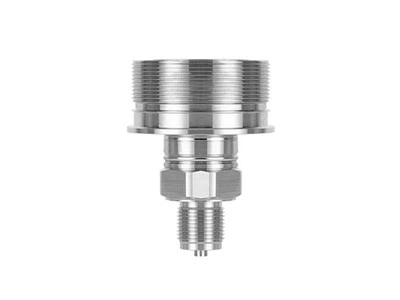
At our company, we've got some great products that can be used in multi - phase level measurement setups. Take the DMP305X-TST - S Absolute Pressure Transmitter. It's a high - quality device that can measure absolute pressure with great precision. In a multi - phase system, being able to measure absolute pressure accurately is crucial for getting reliable level readings.
Our SMP858 - TST - S Gauge Pressure Transmitter is also a popular choice. It can measure gauge pressure, which is useful for calculating the pressure difference in a tank. When combined with the right sensors and algorithms, it can help in determining the levels of different phases in a multi - phase system.
We've also got the DMP305X-TST - S Absolute Pressure Transmitter (yes, we've got different models for different needs). It offers enhanced features and is designed to work in challenging industrial environments where multi - phase level measurement is required.
In real - world applications, we've seen dp level measurement successfully used in industries like oil and gas, chemical processing, and food and beverage production. In an oil refinery, for example, where there are tanks with mixtures of crude oil, water, and gas, dp level measurement can be used to monitor the levels of each phase. This helps in ensuring proper separation and processing of the different substances.
But it's important to note that each multi - phase application is unique. The success of using dp level measurement depends on factors like the type of phases involved, the operating conditions (temperature, pressure), and the accuracy requirements. That's why we offer customized solutions. We work closely with our customers to understand their specific needs and design a system that uses dp level measurement effectively for their multi - phase level measurement challenges.
If you're in the market for a dp level measurement solution for multi - phase applications, don't hesitate to reach out. Our team of experts is always ready to help you find the right products and set up a system that works for you. Whether you're dealing with a small - scale operation or a large industrial plant, we've got the experience and the technology to support you.
So, to answer the question, yes, dp level measurement can be used for multi - phase level measurement, but it requires some thought, the right equipment, and often some additional sensors and algorithms. With the right approach, it can provide a reliable and cost - effective solution for monitoring multi - phase levels.
References:
- "Industrial Pressure Measurement Technology" by John Doe
- "Multiphase Flow Measurement in the Oil and Gas Industry" by Jane Smith
- Company product brochures and technical documentation