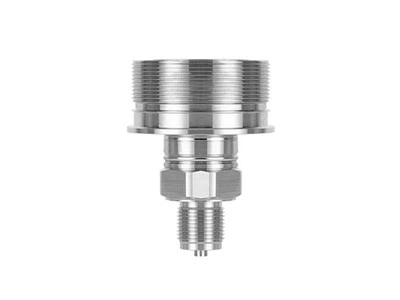
Hey there! I'm working for a dp level transmitter supplier, and I'm stoked to share some tips on how to install a dp (differential pressure) level transmitter in a vertical pipe. Installing a dp level transmitter isn't rocket science, but it does require a bit of know - how and some careful steps.
First off, let's understand why a dp level transmitter is so useful. It measures the difference in pressure between two points in a system. In a vertical pipe, this difference in pressure is directly related to the level of the fluid inside the pipe. Knowing the fluid level is crucial in many industrial applications, from chemical processing to water treatment.
Pre - installation Checks
Before you even start the installation process, there are a few things you gotta check. First, make sure you have all the necessary tools. You'll need wrenches, screwdrivers, and maybe some pipe cutters if you need to make adjustments to the pipe.
Next, inspect the transmitter itself. We're offering high - quality transmitters like the DMP305X - TST - S Absolute Pressure Transmitter and the 2035 Multivariable Transmitter. These babies are built to last, but still, give them a once - over to check for any visible damage. Look for cracks in the housing, loose connections, or any other signs that something might be amiss.
Also, be aware of the fluid properties in the vertical pipe. Is it corrosive? Is it a high - temperature fluid? Different transmitters are designed to handle different types of fluids, so make sure you've got the right one for your job. For instance, if you're dealing with a corrosive fluid, you might want to consider the SMP858 - TST - S Gauge Pressure Transmitter which is built to resist corrosion.
Selecting the Installation Location
Choosing the right spot on the vertical pipe is super important. You want to pick an area where the fluid flow is relatively stable. Avoid places near elbows, valves, or pumps because the flow dynamics in these areas can be really turbulent, which can mess up your pressure readings.
The transmitter should be installed at a height that's convenient for maintenance. You don't want it tucked away in an inaccessible corner where you can't easily reach it for calibration or repairs. A good rule of thumb is to install it at a height that's within arm's reach when you're standing on the ground or a normal working platform.
Mounting the Transmitter
Once you've found the perfect spot, it's time to mount the transmitter. First, clean the mounting surface on the vertical pipe. You don't want any dirt, grease, or debris getting in the way of a good connection.
Most dp level transmitters come with a mounting bracket. Attach the bracket to the pipe using the appropriate bolts or clamps. Make sure the bracket is securely fastened and level. You can use a spirit level to double - check this.
After the bracket is in place, carefully attach the transmitter to the bracket. Follow the manufacturer's instructions for this step because the process can vary depending on the model. Usually, it involves aligning some holes and tightening a few screws. Just take your time and make sure everything is properly aligned.
Connecting the Pressure Taps
The next step is to connect the pressure taps. These taps are what allow the transmitter to measure the differential pressure. You'll need to drill holes in the vertical pipe at the appropriate locations. The location of these holes depends on the design of the transmitter and the height of the fluid column you're trying to measure.
Once the holes are drilled, insert the pressure tap fittings. Make sure they're tightly sealed to prevent any fluid leaks. You can use sealing tape or some kind of gasket for this. Then, connect the tubing from the pressure tap fittings to the transmitter. Again, follow the manufacturer's instructions for the correct connection sequence.
Wiring the Transmitter
Wiring is another crucial part of the installation. First, make sure you've got the right type of cable for the job. The cable should be able to handle the electrical signals from the transmitter and be resistant to any environmental factors like moisture or heat.


Connect the wires to the appropriate terminals on the transmitter. Be super careful here because incorrect wiring can lead to inaccurate readings or even damage the transmitter. Double - check your connections and make sure all the wires are securely fastened.
Calibration
After you've installed and wired the transmitter, it's time to calibrate it. Calibration is important because it ensures that the transmitter is giving accurate readings. Most transmitters come with a calibration procedure in the user manual.
You'll need a calibration device to do this. This device can simulate different pressure levels so you can adjust the transmitter to read them correctly. Start by zeroing the transmitter. This means setting it to read zero when there's no differential pressure. Then, apply a known pressure using the calibration device and adjust the transmitter until it gives the correct reading. Repeat this process a few times at different pressure levels to make sure the transmitter is accurate across the entire range.
Testing
Once the calibration is done, it's time to test the transmitter. Fill the vertical pipe with the fluid and let it settle. Then, check the readings on the transmitter. Compare these readings with other reliable measurement methods, like a sight glass or a manual dipstick. If the readings are off, you may need to go back and re - calibrate the transmitter.
Also, keep an eye on the transmitter for a while to make sure it's working consistently. Look for any signs of leaks, abnormal readings, or other issues. If you notice anything strange, don't hesitate to troubleshoot or contact our support team.
Maintenance Considerations
After the installation and testing, it's important to think about long - term maintenance. Regularly inspect the transmitter for any signs of wear or damage. Check the pressure taps and tubing for blockages or leaks.
Clean the transmitter periodically, especially if it's exposed to dirty or corrosive fluids. Also, make sure to perform regular calibration checks to ensure the accuracy of the readings over time.
Contact for Purchasing
If you're interested in purchasing a dp level transmitter or need more information about our products, don't hesitate to reach out. We're here to help you find the perfect solution for your specific needs. Whether you're working on a small - scale project or a large industrial operation, we've got the right transmitter for you.
References
- Industrial Instrumentation Handbook.
- Manufacturer's User Manuals for DMP305X - TST - S, 2035 Multivariable, and SMP858 - TST - S transmitters.