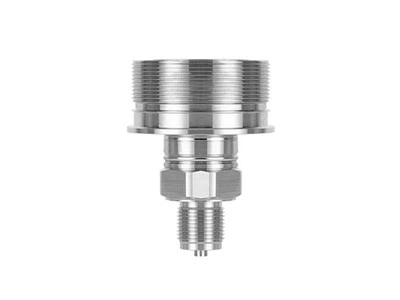
Hey there! As a supplier of DP transmitter cost, I've been in the thick of the industry for quite some time. And one question that keeps popping up in my conversations with customers is, "How does the cost of a DP transmitter relate to its overload capacity?" Well, let's dive right into it.
First off, let's understand what a DP transmitter is. A differential pressure (DP) transmitter is a device that measures the difference in pressure between two points in a system. It's used in a wide range of industries, from oil and gas to water treatment, to monitor and control processes. The overload capacity of a DP transmitter refers to its ability to withstand pressures beyond its normal operating range without suffering permanent damage.
Now, when it comes to the relationship between cost and overload capacity, it's a bit of a balancing act. Generally speaking, DP transmitters with higher overload capacities tend to cost more. Why is that? Well, there are a few factors at play.
One of the main reasons is the materials used in the construction of the transmitter. Transmitters designed to handle high overloads need to be made from more robust and durable materials. For example, the pressure sensing element, which is the heart of the transmitter, may be made from high - strength alloys or special ceramics. These materials are more expensive than the ones used in transmitters with lower overload capacities.
Another factor is the manufacturing process. Producing a DP transmitter with a high overload capacity requires more precise manufacturing techniques. The components need to be machined to very tight tolerances to ensure that the transmitter can accurately measure pressure even under extreme conditions. This precision manufacturing adds to the overall cost of the product.

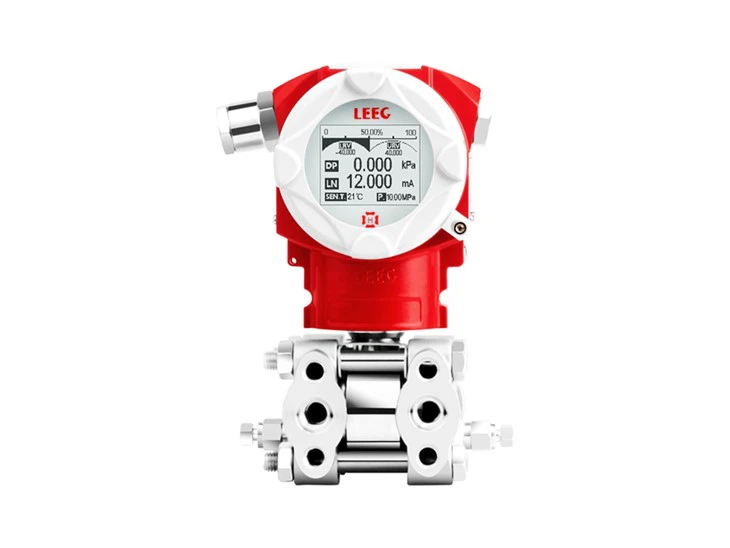
Let's take a look at some of the products we offer. The DMP305X - DST Absolute Pressure Transmitter is a great example. This transmitter is built to handle high pressures and has an excellent overload capacity. It uses high - quality materials and advanced manufacturing processes, which is why it comes at a relatively higher cost compared to some of our other models.
On the other hand, if you have a system where the risk of high - pressure overloads is relatively low, you might consider a more budget - friendly option like the DMP305X - TLT Gauge Pressure Transmitter. This transmitter is still reliable and accurate for normal operating conditions but has a lower overload capacity, which reflects in its lower price.
The 2035 Multivariable Transmitter is another interesting product. It not only measures differential pressure but also other variables like temperature and flow. It has a decent overload capacity, and its cost is a result of a combination of its multi - functionality and the ability to handle moderate overloads.
But it's not always a straightforward trade - off. Sometimes, the cost - overload capacity relationship can be influenced by market competition. In a highly competitive market, manufacturers may try to offer transmitters with high overload capacities at more competitive prices to gain an edge.
When choosing a DP transmitter, it's important to consider your specific application. If your system is in an environment where there's a high risk of pressure spikes, like in a chemical processing plant or an oil refinery, investing in a transmitter with a high overload capacity is probably worth it. The cost of replacing a damaged transmitter due to an overload can far exceed the initial cost difference between a high - and low - overload transmitter.
On the other hand, if your application has a stable pressure environment, like a simple water distribution system, you might be able to get away with a transmitter with a lower overload capacity and save some money.
It's also worth noting that the cost of a DP transmitter isn't just about the upfront purchase price. There are also factors like maintenance costs, calibration requirements, and the expected lifespan of the transmitter. A high - quality, high - overload transmitter may have lower long - term costs because it's less likely to break down and require frequent repairs.
In conclusion, the cost of a DP transmitter is closely related to its overload capacity. Higher - capacity transmitters generally cost more due to the use of better materials and more precise manufacturing processes. But when making a purchasing decision, you need to consider your specific application, the risk of overloads, and the long - term costs.
If you're in the market for a DP transmitter and want to discuss which option is best for your needs, I'd love to have a chat with you. We can go over your requirements in detail and find the perfect transmitter at the right price. Whether you need a high - end, high - overload transmitter or a more budget - friendly option, we've got you covered.
References
- Industrial Pressure Transmitter Handbook
- Pressure Measurement and Control Industry Reports