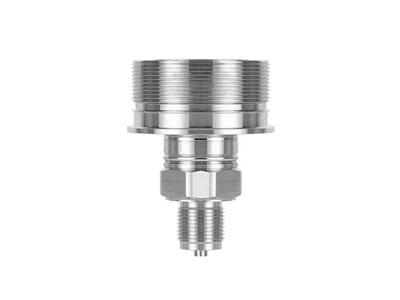
As a leading pressure sensor supplier, I am often asked about the intricate workings of various types of pressure sensors. One particular type that has gained significant popularity in recent years is the liquid-filled pressure sensor. In this blog post, I will delve into the inner workings of a liquid-filled pressure sensor, explaining how it functions and highlighting its advantages in different applications.
Basic Principle of a Liquid-Filled Pressure Sensor
At its core, a liquid-filled pressure sensor operates on the principle of converting pressure into an electrical signal. This conversion is achieved through a combination of mechanical and electrical components that work together to measure the applied pressure accurately.
The key component of a liquid-filled pressure sensor is the pressure sensing element, which is typically a diaphragm or a bourdon tube. The diaphragm is a thin, flexible membrane that deforms when subjected to pressure. On the other hand, the bourdon tube is a curved tube that straightens out when pressure is applied. Both of these elements are designed to respond to changes in pressure and convert them into mechanical displacement.
The pressure sensing element is filled with a liquid, usually a silicone oil or a glycerin-based solution. This liquid serves two important purposes. Firstly, it acts as a medium to transmit the pressure from the external environment to the sensing element. Secondly, it provides damping to reduce the effects of vibration and shock on the sensor, ensuring stable and accurate measurements.
Working Mechanism of a Liquid-Filled Pressure Sensor
When pressure is applied to the liquid-filled pressure sensor, the pressure is transmitted through the liquid to the pressure sensing element. This causes the sensing element to deform, either by deflecting the diaphragm or straightening the bourdon tube. The amount of deformation is directly proportional to the applied pressure.
The deformation of the sensing element is then converted into an electrical signal through the use of a strain gauge or a piezoelectric crystal. A strain gauge is a device that changes its electrical resistance when subjected to mechanical strain. When the sensing element deforms, the strain gauge attached to it also experiences strain, causing a change in its resistance. This change in resistance is then measured and converted into an electrical signal proportional to the applied pressure.
On the other hand, a piezoelectric crystal generates an electrical charge when subjected to mechanical stress. When the sensing element deforms, it applies stress to the piezoelectric crystal, causing it to generate an electrical charge. This charge is then measured and converted into an electrical signal proportional to the applied pressure.
The electrical signal generated by the strain gauge or the piezoelectric crystal is then amplified and conditioned by the signal processing circuit. This circuit ensures that the signal is of the appropriate level and quality for further processing or display. The conditioned signal is then outputted as an analog or digital signal, depending on the requirements of the application.
Advantages of Liquid-Filled Pressure Sensors
Liquid-filled pressure sensors offer several advantages over other types of pressure sensors, making them a popular choice in a wide range of applications. Some of the key advantages include:
- High Accuracy: The use of a liquid to transmit pressure and provide damping ensures that liquid-filled pressure sensors offer high accuracy and stability. They are able to measure pressure with a high degree of precision, even in harsh environments.
- Robustness: Liquid-filled pressure sensors are designed to withstand high levels of vibration, shock, and temperature variations. The liquid filling provides protection to the sensing element, preventing damage from external factors and ensuring long-term reliability.
- Wide Range of Pressure Measurement: Liquid-filled pressure sensors can be designed to measure a wide range of pressures, from low pressures to high pressures. This makes them suitable for a variety of applications, including industrial, automotive, and aerospace.
- Compatibility with Different Media: Liquid-filled pressure sensors can be used with a variety of media, including liquids, gases, and steam. The liquid filling can be selected to be compatible with the specific medium being measured, ensuring accurate and reliable measurements.
Applications of Liquid-Filled Pressure Sensors
Liquid-filled pressure sensors are used in a wide range of applications across various industries. Some of the common applications include:
- Industrial Process Control: Liquid-filled pressure sensors are used in industrial process control systems to measure and monitor pressure in pipelines, tanks, and vessels. They are used to ensure the safe and efficient operation of industrial processes, such as chemical manufacturing, oil and gas production, and power generation.
- Automotive Industry: Liquid-filled pressure sensors are used in automotive applications to measure and monitor various pressures, such as tire pressure, oil pressure, and fuel pressure. They are used to ensure the safe and reliable operation of vehicles, as well as to improve fuel efficiency and reduce emissions.
- Aerospace Industry: Liquid-filled pressure sensors are used in aerospace applications to measure and monitor pressure in aircraft engines, hydraulic systems, and environmental control systems. They are used to ensure the safe and reliable operation of aircraft, as well as to improve performance and efficiency.
- Medical Industry: Liquid-filled pressure sensors are used in medical applications to measure and monitor pressure in various medical devices, such as blood pressure monitors, ventilators, and infusion pumps. They are used to ensure the accurate and reliable measurement of pressure, which is critical for the proper functioning of these devices.
Our Liquid-Filled Pressure Sensor Products
As a pressure sensor supplier, we offer a wide range of liquid-filled pressure sensors to meet the diverse needs of our customers. Our products are designed to provide high accuracy, reliability, and durability, making them suitable for a variety of applications.
One of our popular products is the SP38H Pressure Sensor. This sensor features a high-quality liquid-filled diaphragm and a strain gauge-based sensing element, providing accurate and stable pressure measurements. It is designed to withstand high levels of vibration and shock, making it suitable for use in harsh industrial environments.
Another product in our portfolio is the SP26 Pressure Sensor. This sensor uses a bourdon tube as the pressure sensing element and a piezoelectric crystal to convert the mechanical deformation into an electrical signal. It offers high sensitivity and fast response times, making it ideal for applications that require rapid pressure changes to be measured.
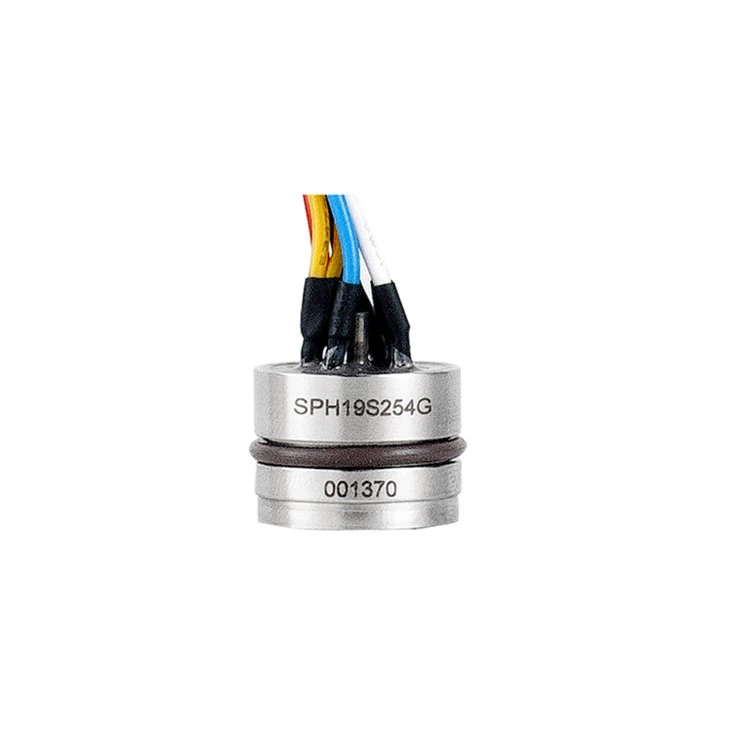
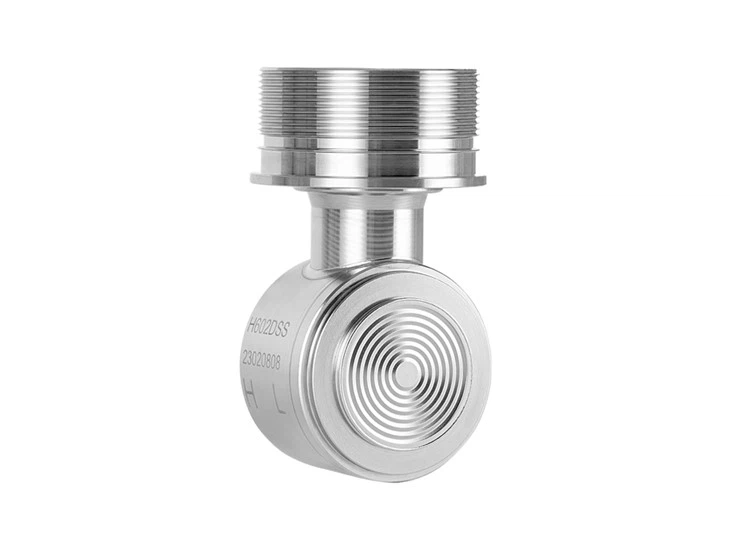
We also offer the SPH19S Monosilicon Pressure Sensor, which is a high-performance liquid-filled pressure sensor based on monosilicon technology. This sensor offers excellent accuracy, stability, and reliability, making it suitable for a wide range of applications, including automotive, industrial, and aerospace.
Conclusion
Liquid-filled pressure sensors are an important type of pressure sensor that offer high accuracy, robustness, and compatibility with different media. They are used in a wide range of applications across various industries, including industrial process control, automotive, aerospace, and medical. As a pressure sensor supplier, we are committed to providing our customers with high-quality liquid-filled pressure sensors that meet their specific needs.
If you are interested in learning more about our liquid-filled pressure sensor products or have any questions about pressure sensors in general, please do not hesitate to contact us. Our team of experts will be happy to assist you in selecting the right sensor for your application and provide you with the necessary support and guidance. We look forward to the opportunity to work with you and help you achieve your pressure measurement goals.
References
- Doebelin, E. O. (2003). Measurement systems: Application and design. McGraw-Hill.
- Kao, C. C. (2000). Principles of pressure measurement. John Wiley & Sons.
- Skogestad, S., & Postlethwaite, I. (2005). Multivariable feedback control: Analysis and design. John Wiley & Sons.