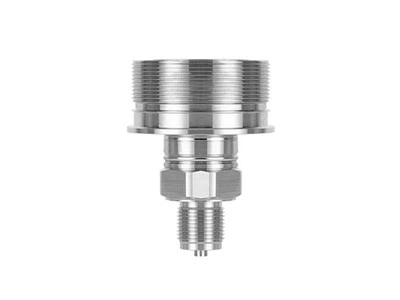
Hey there! As a supplier of DPT (Differential Pressure Transmitter), I often get asked if these nifty devices can be used in chemical applications. Well, the short answer is yes, but there's a whole lot more to it than that. Let's dive in and explore the ins and outs of using DPT pressure transmitters in the chemical world.
Understanding DPT Pressure Transmitters
First off, what exactly is a DPT pressure transmitter? In simple terms, it's a device that measures the difference in pressure between two points. This measurement is crucial in many industrial processes, as it can help monitor flow rates, detect leaks, and ensure the proper operation of various equipment.
The way a DPT works is by having two pressure ports. The pressure at one port is compared to the pressure at the other, and the difference is converted into an electrical signal. This signal can then be sent to a control system or display for further analysis.
Why Chemical Applications Need DPT Pressure Transmitters
In the chemical industry, precise pressure measurement is of utmost importance. Chemical processes often involve handling hazardous substances, high temperatures, and extreme pressures. A small error in pressure measurement can lead to serious safety issues, product quality problems, or even equipment failure.
DPT pressure transmitters play a vital role in chemical applications for several reasons:
Flow Measurement
Many chemical processes rely on the accurate measurement of fluid flow. By measuring the differential pressure across a flow element, such as an orifice plate or a venturi tube, a DPT can calculate the flow rate of the chemical fluid. This information is essential for controlling the amount of chemicals being added to a process, ensuring the correct reaction rates, and preventing over - or under - dosing.


Level Measurement
In chemical storage tanks, knowing the level of the stored chemical is crucial for inventory management and safety. DPT pressure transmitters can be used to measure the hydrostatic pressure at the bottom of the tank. Since the pressure is directly related to the height of the liquid column, the transmitter can provide an accurate measurement of the liquid level.
Filter Monitoring
Filters are commonly used in chemical processes to remove impurities from the fluids. Over time, these filters can become clogged, which can affect the flow of the chemicals and reduce the efficiency of the process. By measuring the differential pressure across the filter, a DPT can detect when the filter is becoming clogged and signal the need for replacement or cleaning.
Challenges in Using DPT Pressure Transmitters in Chemical Applications
While DPT pressure transmitters are highly useful in chemical applications, they also face some unique challenges:
Chemical Compatibility
The chemicals used in the industry can be highly corrosive or abrasive. The materials of the DPT's wetted parts (the parts that come into contact with the chemical) need to be carefully selected to ensure they can withstand the chemical environment. For example, if the chemical is highly acidic, a transmitter with a stainless - steel or titanium wetted part may be required.
Temperature and Pressure Extremes
Chemical processes often operate at high temperatures and pressures. DPT pressure transmitters need to be able to handle these extreme conditions without losing accuracy or reliability. Special temperature compensation techniques may be required to ensure accurate measurements in high - temperature environments.
Vibration and Shock
Chemical plants can be noisy and vibratory environments. Vibration and shock can affect the performance of the DPT pressure transmitter and cause inaccurate measurements. Transmitters need to be designed with proper damping and shock - resistant features to minimize these effects.
Our DPT Pressure Transmitter Solutions
At our company, we understand the challenges of using DPT pressure transmitters in chemical applications. That's why we offer a range of high - quality transmitters that are specifically designed to meet the needs of the chemical industry.
One of our popular products is the SMP858 - DST Differential Pressure Transmitter. This transmitter is built with robust materials that are resistant to corrosion and can handle a wide range of chemicals. It has a high - accuracy measurement capability and is suitable for both flow and level measurement applications in chemical processes.
Another great option is the DMP305X - TLT Gauge Pressure Transmitter. This transmitter is designed to provide accurate gauge pressure measurements in harsh chemical environments. It features a compact design and is easy to install and maintain.
We also have the SMP858 - TST - S Gauge Pressure Transmitter, which is ideal for applications where high - precision gauge pressure measurement is required. It has excellent temperature stability and can operate in a wide range of temperatures.
How to Choose the Right DPT Pressure Transmitter for Chemical Applications
When selecting a DPT pressure transmitter for chemical applications, there are several factors to consider:
Chemical Compatibility
As mentioned earlier, the wetted parts of the transmitter need to be compatible with the chemicals being used. Make sure to check the material specifications of the transmitter and consult with the manufacturer if you have any doubts.
Pressure Range
Determine the maximum and minimum pressure values that the transmitter will need to measure. Choose a transmitter with a pressure range that can comfortably cover these values.
Accuracy
The accuracy of the transmitter is crucial for precise measurement. Consider the required accuracy level for your application and choose a transmitter that can meet those requirements.
Temperature Range
Take into account the operating temperature of the chemical process. Select a transmitter that can operate within the expected temperature range without significant loss of accuracy.
Conclusion
In conclusion, DPT pressure transmitters can definitely be used in chemical applications, and they play a crucial role in ensuring the safety, efficiency, and quality of chemical processes. However, it's important to choose the right transmitter that can handle the specific challenges of the chemical environment.
If you're in the market for a DPT pressure transmitter for your chemical application, don't hesitate to get in touch with us. Our team of experts can help you select the best product for your needs and provide you with all the support you need. Let's work together to make your chemical processes run smoothly and safely.
References
- "Industrial Pressure Measurement Handbook", [Author's Name], [Publication Year]
- "Chemical Process Engineering Principles", [Author's Name], [Publication Year]