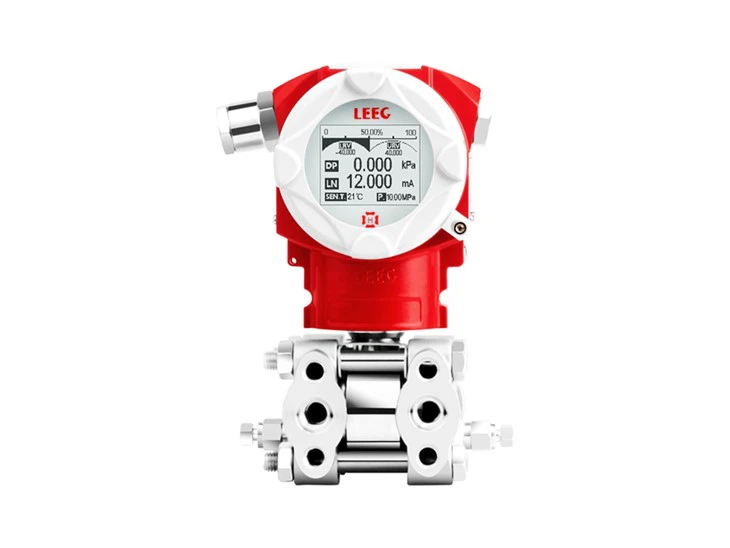
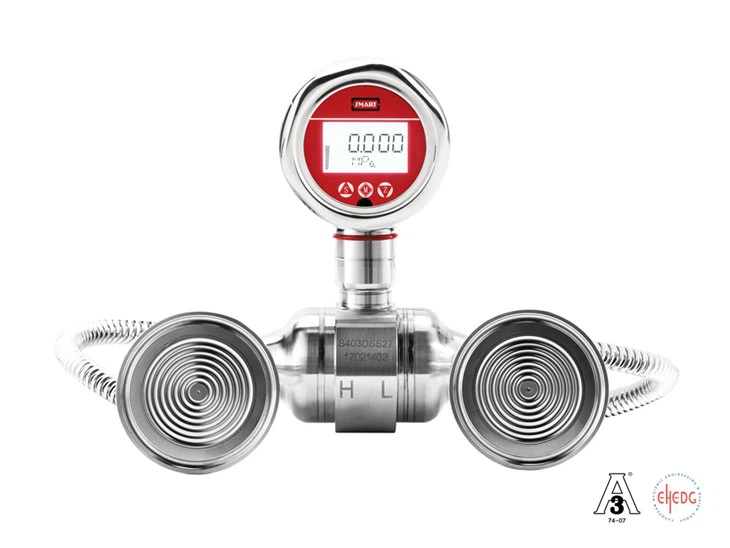
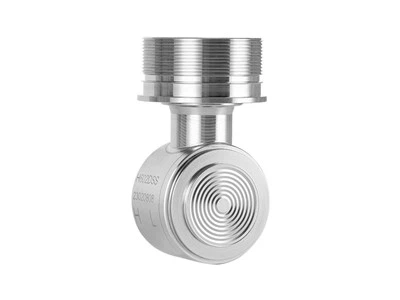
A pressure transmitter explosion proof is primarily used in hazardous environments such as petroleum, chemical, natural gas, and pharmaceutical industries to measure the pressure of liquids, gases, or steam and convert the pressure signal into a standard electrical signal output. Its explosion-proof design effectively prevents sparks or high temperatures from causing explosions, ensuring safe operation in industrial settings. The device typically features high accuracy, strong stability, and anti-interference capabilities, making it suitable for long-term monitoring and control in harsh environments. It is an indispensable key instrument in industrial automation systems.
Pressure Transmitter Explosion Proof
LEEG Pressure Transmitters have obtained multiple international explosion-proof certifications, including IECEx, ATEX, CSA, and NEPSI, complying with safety standards in the European Union, North America, China, and other regions, ensuring their widespread application worldwide. These certifications not only demonstrate the product's exceptional reliability in explosion-proof performance but also reflect its adherence to stringent international norms in design, manufacturing, and testing. Whether in petrochemical, natural gas extraction, pharmaceuticals, metallurgy, or other high-risk industries, LEEG Pressure Transmitters provide safe and precise pressure monitoring solutions, meeting regulatory requirements across different markets and helping enterprises achieve safe production and efficient operations.


Explosion-Proof Temperature Transmitter
An explosion-proof temperature transmitter is a high-safety instrument specifically designed for flammable and explosive environments, widely used in industries such as petroleum, chemicals, natural gas, pharmaceuticals, and power. It accurately measures the temperature of liquids, gases, or steam and converts it into standard electrical signals (e.g., 4-20mA, HART, or digital signals), ensuring safe monitoring and control in hazardous areas. The product complies with international explosion-proof standards such as CSA and NEPSI, offering excellent explosion-proof performance to effectively prevent sparks or high temperatures from triggering explosions, safeguarding industrial site operations.
Additionally, some high-end explosion-proof temperature transmitters are equipped with multivariable transmitter technology, enabling them to measure not only temperature but also pressure, differential pressure, flow, and other parameters simultaneously, achieving integrated data collection and analysis. This multifunctional design significantly enhances the integration and efficiency of industrial automation systems, reduces the number of field instruments required, lowers maintenance costs, and provides a more comprehensive and reliable solution for process control in complex working conditions.

What Certifications Do LEEG Pressure Transmitters Have?
As a leading Chinese manufacturer of pressure sensors and pressure transmitters, LEEG Instruments' products have obtained multiple international authoritative certifications, fully showcasing the company's excellence in product quality and safety performance. These certifications include:
- ATEX EU Explosion-Proof Certification, ensuring the safe use of products in potentially explosive environments.
- NEPSI China Explosion-Proof Certification, meeting stringent requirements for hazardous areas such as petrochemical and chemical industries in China.
- 3A US Food Hygiene Certification, providing professional solutions compliant with hygiene standards for the food and pharmaceutical industries.
- IECEx International Explosion-Proof System Certification, enabling global safe application of products.
- CSA North American Safety Certification, facilitating product entry into Canadian and US markets.
- RoHS EU Environmental Certification, reflecting the company's commitment to eco-friendly manufacturing.
- EHEDG European Hygienic Equipment Design Certification, ensuring products meet high hygiene standards for industries like food and pharmaceuticals.
These international certifications not only serve as authoritative recognition of LEEG Instruments' product quality but also provide reliable assurance for global project applications. Whether in traditional industrial fields like petrochemicals and energy or emerging industries like food, pharmaceuticals, and environmental monitoring, LEEG Instruments' multi-certified products meet regulatory requirements across different countries and regions, helping customers achieve safe production and efficient operations. At the same time, these certifications highlight LEEG Instruments' market positioning as a China-based company serving the global market, as well as its corporate philosophy of continuous innovation and pursuit of excellence.
Explosion-Proof Pressure Transmitters:
Differences Between Intrinsically Safe and Flameproof Type
In industrial explosion-proof applications, selecting the correct type of explosion-proof pressure transmitter is critical. Among them, intrinsically safe (Ex ia/Ex ib) and flameproof (Ex d) are the two primary explosion-proof types. These two categories differ significantly in explosion-proof principles, structural design, and application scenarios. Understanding these differences is essential for proper selection and safe usage.
Intrinsically Safe (IS) Explosion-Proof operates on the principle of limiting circuit energy to achieve explosion protection. Such transmitters strictly control voltage and current in the circuit during design, ensuring that even in cases of short circuits or faults, the resulting sparks or thermal effects are insufficient to ignite surrounding explosive gases. Intrinsically safe devices are further divided into Ex ia and Ex ib subcategories based on protection levels. Ex ia can be used in the most hazardous Zone 0 environments, while Ex ib is suitable for Zone 1. These devices must be used with safety barriers, which limit energy in hazardous areas to safe levels. Intrinsically safe transmitters are particularly suitable for high-risk environments with continuous explosive gases, such as petrochemical and natural gas processing. Their advantage lies in allowing live maintenance, significantly improving inspection efficiency.
Flameproof (Ex d) adopts a completely different protection concept. These devices achieve explosion-proofing through specially designed robust enclosures capable of withstanding internal explosion pressures and preventing flame propagation to the external environment via precision flameproof joint structures. Flameproof transmitters are suitable for Zone 1 and Zone 2 environments, primarily used in areas with intermittent explosive gases, such as factory workshops or storage tank areas. Unlike intrinsically safe devices, flameproof devices do not require additional safety barriers but must ensure enclosure integrity and joint precision, along with specialized explosion-proof cable sealing joints.
From a structural perspective, intrinsically safe transmitters typically use standard enclosures with low-power circuit designs, resulting in relatively lightweight structures. Flameproof transmitters, however, require heavy metal enclosures, making them more rugged and durable. In terms of installation and maintenance, intrinsically safe devices, due to their energy limitations, allow maintenance operations without power shutdowns. Flameproof devices, on the other hand, must be powered off before opening the enclosure for maintenance.
In practical applications, selecting the appropriate explosion-proof type requires comprehensive consideration of multiple factors. Intrinsically safe types are more suitable for high-risk environments requiring frequent maintenance or space-constrained scenarios. Flameproof types are better suited for high-power devices, fixed installations, and cost-sensitive projects. Notably, in some extreme hazard scenarios, a combined design of intrinsically safe circuits and flameproof enclosures can be adopted for dual safety assurance.
From the perspective of certification standards, intrinsically safe equipment must comply with the IEC 60079-11 standard, while flameproof equipment needs to meet the requirements of IEC 60079-1. These international standards provide a reliable basis for ensuring the safety performance of the equipment. When selecting specific models of pressure transmitters, it is recommended to conduct a comprehensive evaluation based on actual working conditions, safety requirements, and maintenance needs. If necessary, consult the opinions of professional explosion-proof engineers to ensure the selection of the most suitable explosion-proof solution.