LEEG Instruments specializes in mono-silicon piezoresistive technology, delivering high-precision intelligent differential pressure sensors and transmitters. We provide measurement solutions for gas, water, and oil mediums, supporting customized diaphragm materials, signal outputs, and interfaces, to ensure exceptional stability in complex industrial conditions.
Differential Pressure Sensor
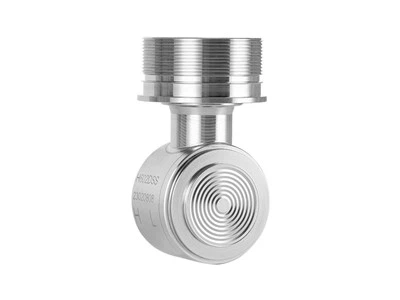
LEEG compact differential pressure sensor utilizes advanced mono-silicon piezoresistive technology, features precise structure, high accuracy and outstanding stability. It is specifically designed for industrial measurement scenarios with limited space. Its high-precision sensing element accurately monitors minute pressure differences in gas, liquid, or oil mediums.
Featuring a symmetrical design, LEEG Instruments' mono-silicon differential pressure sensor withstands static pressure of up to 42 MPa and unilateral overload of up to 30 MPa. Its diamond-suspended sensor structure ensures long-term stability: ±0.1% SPAN/10 years(after modular upgrade), while the potted construction provides moisture and corrosion resistance. The modular architecture allows for easy on-site replacement, safeguarding customer investments. They have been widely applied in petrochemical, food & pharmaceutical, shipbuilding & papermaking, and other harsh process industry fields. We also support parameters OEM customization.
LEEG Instruments' monosilicon multi-parameter sensing element is designed for differential pressure and static pressure measurement. It features integrated packaging, a three-diaphragm overload structure for unified measurement, strong static pressure overload capability, and offers optional diaphragm materials to extensively meet corrosion resistance requirements.


Differential Pressure Transmitter
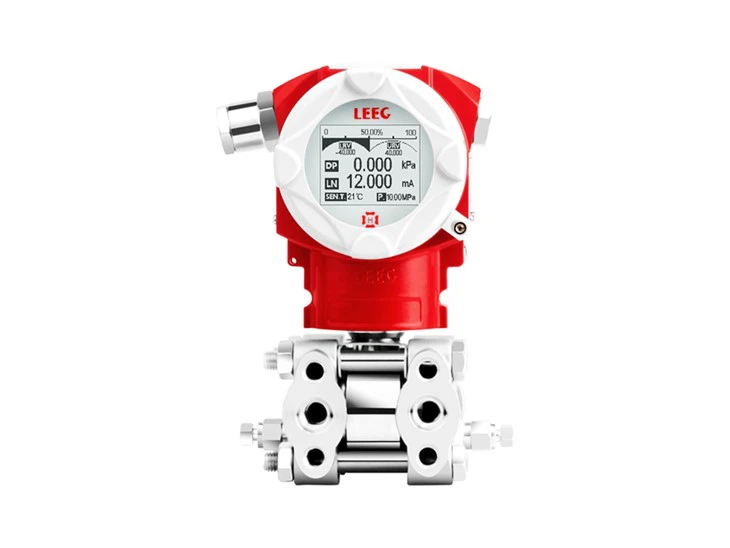
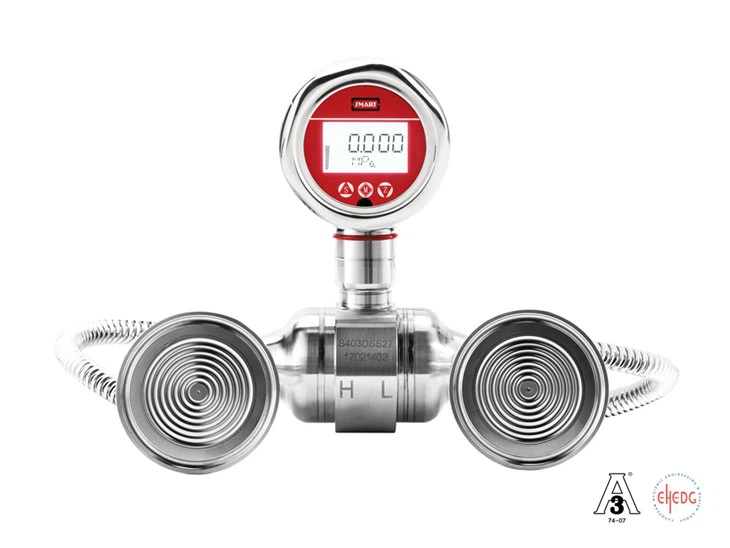
In addition, LEEG Instruments utilizes high-precision mono-silicon differential pressure sensors as the core sensing element, offering a series of outstanding differential pressure transmitters. These transmitters are based on advanced MEMS piezoresistive technology and incorporate precision signal conditioning circuits and full-temperature-range compensation algorithms, achieving high-accuracy measurement of ±0.075%. Featuring a modular design, the product provides various process connection options and output signal types (including 4-20mA+HART, RS485, PA, etc.), meeting stringent demands across industries such as petrochemicals, power & energy, pharmaceutical machinery, and more. For specialized applications, LEEG also offers customized solutions such as explosion-proof certifications (ATEX/IECEx) and sanitary designs (3A certification), ensuring reliable operation in hazardous, corrosive, or high-purity environments. With stable performance and flexible configuration, LEEG differential pressure transmitters are widely used in flow measurement, level monitoring, filter clogging detection, and other critical processes in the process industries.


What is the difference between mono-silicon sensors and diffused silicon sensors?
Monosilicon sensors use a complete monosilicon material as the pressure-sensitive diaphragm, with piezoresistive elements directly fabricated on the surface through semiconductor processes. Their advantages include higher inherent stability (long-term drift < ±0.1% FS/year) and superior temperature characteristics (temperature drift ±0.02% FS/°C), making them suitable for high-precision measurement applications. However, they come at a relatively higher cost.
Diffused silicon sensors, on the other hand, form a piezoresistive layer on polysilicon or a silicon substrate via ion diffusion processes. While they are more cost-effective and easier to mass-produce, their grain boundary defects result in slightly inferior long-term stability (drift around ±0.2% FS/year) and more pronounced temperature sensitivity (temperature drift ±0.05% FS/°C). As such, they are typically used in cost-sensitive industrial applications.
What is the difference between a differential pressure sensor and a differential pressure transmitter?
The core distinction between a differential pressure sensor and a differential pressure transmitter lies in signal output and functional integration:
- Differential pressure sensor: Acts as the fundamental sensing element, directly measuring the pressure difference and outputting a weak millivolt-level electrical signal (e.g., a Wheatstone bridge signal). It typically requires external circuitry for signal amplification and processing.
- Differential pressure transmitter: Builds upon the sensor by integrating signal conditioning circuits, temperature compensation modules, and standardized output units (e.g., 4-20mA, HART, etc.). It converts the raw signal into an industry-standard output and features functions such as zero/span adjustment, local display, and communication, enabling direct connection to control systems.
In short, a sensor is the "sensing core," while a transmitter is a complete solution combining "sensing + signal conversion + transmission."
Key Considerations for Differential Pressure Transmitter Installation
1. Installation Location Selection
• Prioritize vertical installation of impulse pipes to prevent gas accumulation in liquid lines or liquid accumulation in gas lines.
• Avoid areas with vibration, high-temperature radiation, or strong electromagnetic interference. The transmitter body should be installed below the pressure tap (for liquid measurement) or above the tap (for gas measurement).
2. Impulse Piping Configuration
• Ensure impulse pipes have consistent length and diameter (symmetrical layout) to minimize response time discrepancies.
• Install vent valves at high points for liquid measurement and drain valves at low points for gas measurement. For steam measurement, add a condensate pot.
3. Process Connection and Sealing
• Use sealing gaskets (e.g., PTFE, spiral-wound metal) and evenly tighten bolts to prevent leakage.
• For corrosive media, select compatible diaphragm materials (e.g., tantalum, Hastelloy). In sanitary applications, use a three-valve manifold for easier cleaning.
4. Electrical Safety and Grounding
• Route cables through galvanized conduits or use shielded grounding. In explosive atmospheres, strictly follow certification requirements (e.g., Ex d flameproof joints).
• Avoid parallel routing of signal and power cables; maintain a minimum distance of >30 cm to prevent interference.
5. Pre-Commissioning Checks
• Equalize pressure via the three-valve manifold before powering on to avoid sensor damage from unilateral overpressure.
• Vent impulse pipes for liquid media and drain for gas media before operation.