Industrial Pressure Transmitter


Hygienic Pressure Transmitter
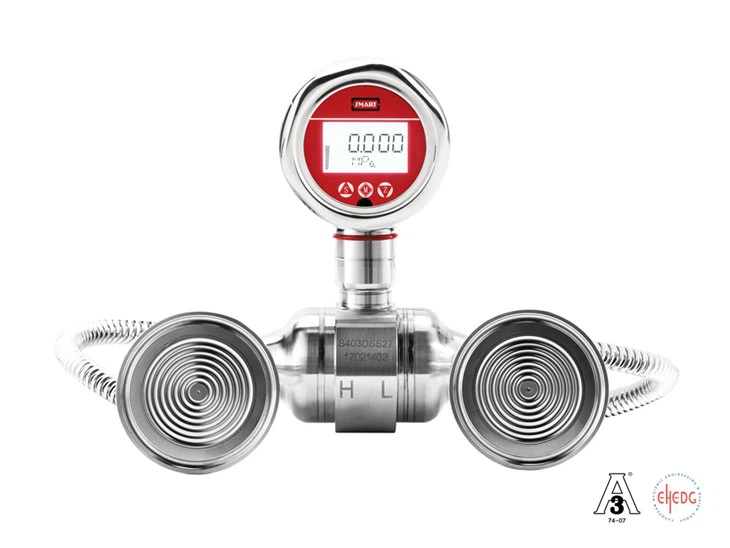
In industries such as life sciences and food and beverage, where extremely high cleanliness is required in process environments, our sanitary pressure transmitters feature an integrated 316L stainless steel design with a smooth, crevice-free structure. They comply with sanitary certification standards such as 3-A and EHEDG, preventing residue buildup and bacterial growth. The diaphragm design is resistant to high temperatures and easy to clean, ensuring stable operation while maintaining food hygiene and safety. These transmitters are essential instruments in modern sanitary-grade process control.


Compact Pressure Transmitter
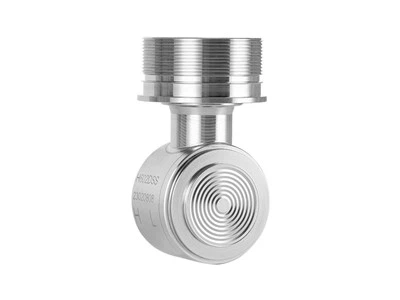
Compact pressure transmitters are characterized by their small size, high reliability, and flexible installation, making them highly suitable for applications where space and stability are critical, such as hydraulics, HVAC, and automated equipment. With their compact structure and minimal space requirements, they are easy to install and maintain. Often integrated into pipelines, valve assemblies, compressors, pump stations, and refrigerant circuits, they maintain precise and stable output even in high-load hydraulic systems. This ensures efficient equipment operation, optimizes energy consumption, and enhances system reliability and operational efficiency.


What Happens to an Explosion-Proof Pressure Transmitter During an Explosion?
An explosion-proof pressure transmitter with certification is designed not to remain intact during an explosion but to ensure the device does not become an ignition source. Flameproof (Ex d) enclosures contain any internal combustion within the device, preventing it from igniting external gases. Intrinsically safe (Ex ia) designs limit circuit energy to avoid generating sufficient ignition energy. In summary, these products minimize risks to personnel and system safety even if an explosion occurs in hazardous environments.

What Installation Methods Are Suitable for Pressure Transmitters?
The installation methods for pressure transmitters vary flexibly according to process requirements, with the most common being threaded, flanged, sanitary quick-connect, or clamp installations. Compact or small pressure transmitters are suitable for direct integration into pipelines or valve assemblies, while sanitary pressure transmitters are typically used in applications requiring rapid disassembly and cleaning. Proper installation ensures measurement accuracy and extends product lifespan.

What Types of Signal Outputs Do Pressure Transmitters Have?
Pressure transmitters primarily offer analog and digital signal outputs. Common analog signals include 4–20mA or 0–10V, suitable for interfacing with traditional PLC and DCS systems. Digital signals, such as UART, HART, Modbus, and IO-Link, can transmit not only pressure values but also status information, facilitating intelligent monitoring and remote maintenance.