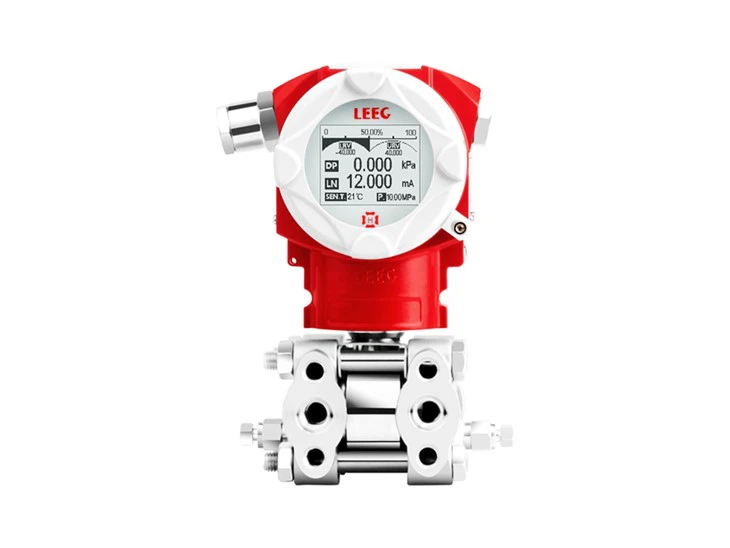
Pressure Transmitters for Petrochemical industry


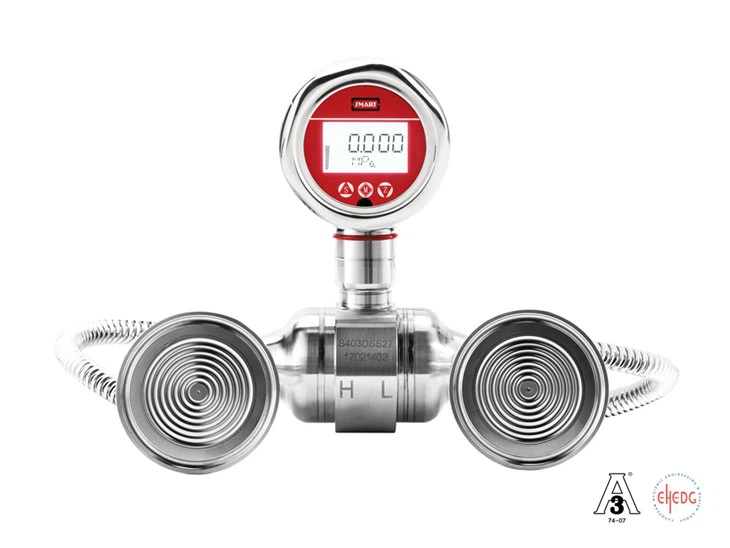
Pressure Transmitters for Hygienic Oil industry
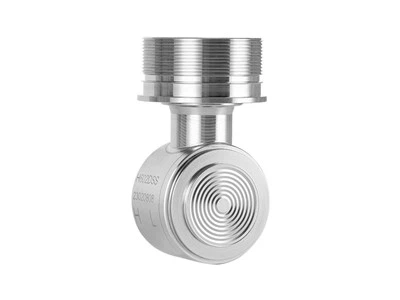
In hygienic industries such as food, beverage, and biopharmaceuticals, the focus is completely different. The core priorities here are cleanliness, safety, and compliance. Pressure transmitters must meet hygienic standards such as 3-A and EHEDG, featuring designs with no dead zones, easy cleaning, and compatibility with CIP/SIP processes. Materials are typically 316L stainless steel, with strictly controlled surface roughness to prevent bacterial growth. In this field, pressure measurement is not only a matter of process control, but is also directly linked to product safety and brand reputation. In short, hygienic industries place the greatest emphasis on cleanliness and compliance.


Ⅰ. Core Pressure Measurement Requirements in Process Industries
Compared to general industrial applications, process industries are characterized by continuous operation, complex working conditions, and high downtime costs, placing higher demands on pressure transmitters:
1. High accuracy and long-term stability: Maintain consistent measurements over prolonged operation, reducing calibration frequency.
2. Robust environmental adaptability: Withstand high temperatures, high pressures, corrosive media, and vibration/shock.
3. High reliability and safety: Meet explosion-proof standards, protection ratings, and industry-specific regulations.
4. Good system compatibility: Seamlessly integrate with DCS, PLC, and digital factory systems.
Ⅱ. Product Advantages of Pressure Transmitters for Process Industries
Modern pressure transmitters are continually evolving in design and performance to meet the demanding conditions of process industries, offering the following key advantages:
1. Accurate Measurement and Stable Output
By utilizing high-performance sensing elements and advanced signal processing algorithms, these transmitters deliver high-precision measurement of gauge, absolute, and differential pressures. Even under complex operating conditions, they provide stable, repeatable output signals, forming a reliable data foundation for process control.
2. Robust Construction for Harsh Environments
With fully welded stainless-steel housings and diaphragm-sealed designs, these transmitters effectively resist corrosive media, high-temperature steam, and pressure shocks, making them suitable for chemical reactions, pipeline transport, and high-pressure systems.
3. Multiple Output and Communication Options
Support for 4–20 mA, HART, Modbus, Profibus, and other communication protocols allows easy integration into existing automation systems, enabling equipment connectivity and data visualization.
4. Safety Compliance and Risk Reduction
Products meet explosion-proof (Ex) standards, SIL functional safety, and IP protection ratings, making them suitable for hazardous areas and safety-critical applications, helping users maintain compliance while reducing operational risks.
Ⅲ. Typical Application Scenarios
Pressure transmitters are widely used in the following critical process points:
1. Oil & Gas: Pipeline pressure monitoring, oil-gas separation, and transport control.
2. Chemical Industry: Pressure measurement in reactors, distillation columns, and storage tanks.
3. Power Industry: Boiler, feedwater, and steam pressure control.
4. Pharmaceutical & Food: Pressure monitoring in clean processes to ensure process consistency and product quality.
Ⅳ. Pressure Measurement Solutions for the Future
As process industries move toward digitalization, intelligence, and low-carbon operation, pressure transmitters are no longer merely measurement instruments-they are crucial nodes in the industrial data ecosystem. Smart pressure transmitters with remote diagnostics, self-monitoring, and predictive maintenance capabilities will play an increasingly important role in future factories.
Ⅴ. Conclusion
Selecting the right pressure transmitter is not just an equipment choice-it is a strategic investment in production safety, operational efficiency, and long-term cost management. Pressure transmitters for process industries provide high accuracy, reliability, and adaptability, ensuring stable production and sustainable growth.
At every critical point in the process, reliable pressure measurement enables smoother process control.