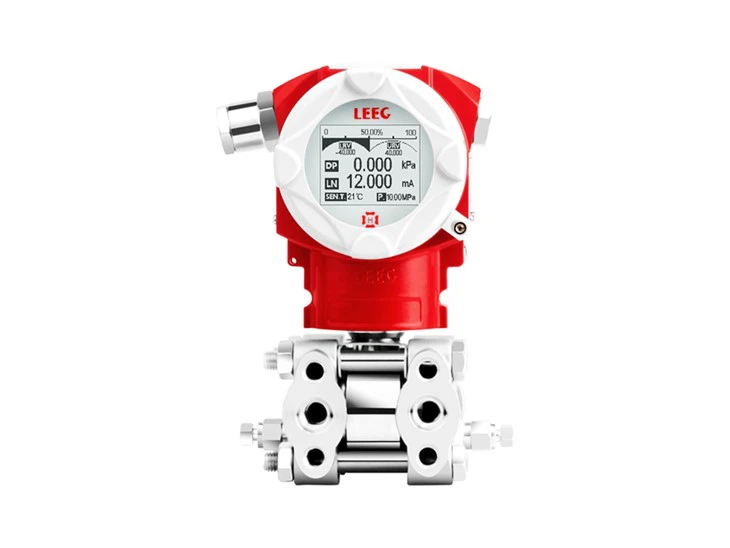
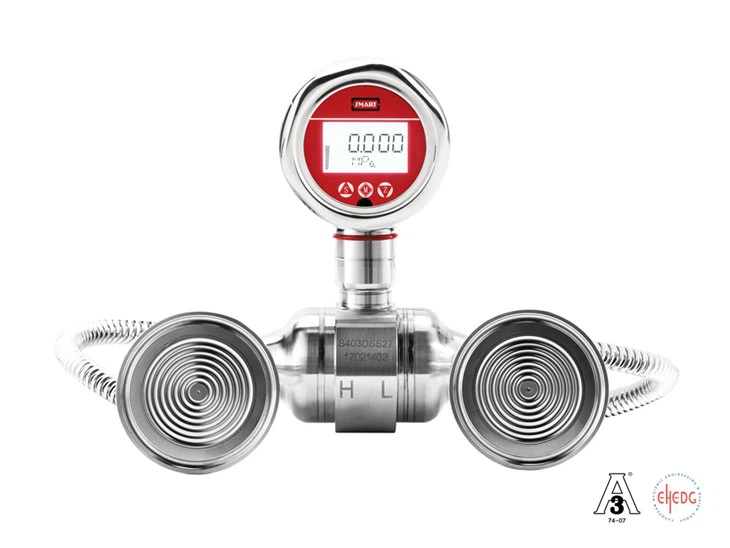
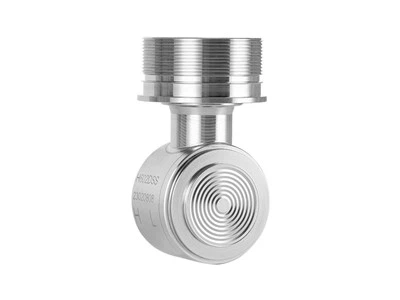
Differential Pressure Transmitter
Micro-differential pressure transmitters are highly sensitive instruments used for the precise measurement of extremely low-pressure differences and can measure gas scenarios down to 100Pa. They detect minute pressure differential changes, convert them through a transmitter module into stable and reliable electrical signal outputs for system monitoring and automatic control. Micro-differential pressure transmitters are commonly used in environmental protection for flue gas monitoring, cleanroom positive/negative pressure control, laboratory and healthcare environmental management, and also play a pivotal role in the field of airtightness testing.

Differential Pressure Level Transmitter


Can differential pressure transmitters be used for corrosive media?
Yes, but the correct structure and materials must be selected. Ordinary differential pressure transmitters should not be used directly as they are prone to corrosion and clogging. First, it is essential to identify what the measured medium is and its concentration or proportion. Different diaphragm seals and corrosion-resistant materials are employed for different media.
Can micro-differential pressure transmitters measure gases other than air?
Yes, they can, but it depends on the circumstances. Not all micro-differential pressure transmitters are suitable, nor are all gases. Common measurable gases include: air, nitrogen, oxygen, carbon dioxide, compressed air, and inert gases. For acidic gases such as hydrogen chloride, hydrogen fluoride, nitric acid vapor, sulfuric acid vapor, and mixed acid system gases, sensors with tantalum diaphragms can be used for measurement.
Do you have certifications such as CE, ATEX, CSA, etc.?
LEEG holds multiple international certifications, including CE certification from TUV, explosion-proof certifications like NEPSI, ATEX, IECEx, and CSA, as well as hygienic certifications for the food and pharmaceutical industries like 3A and EHEDG, and also EAC certification.