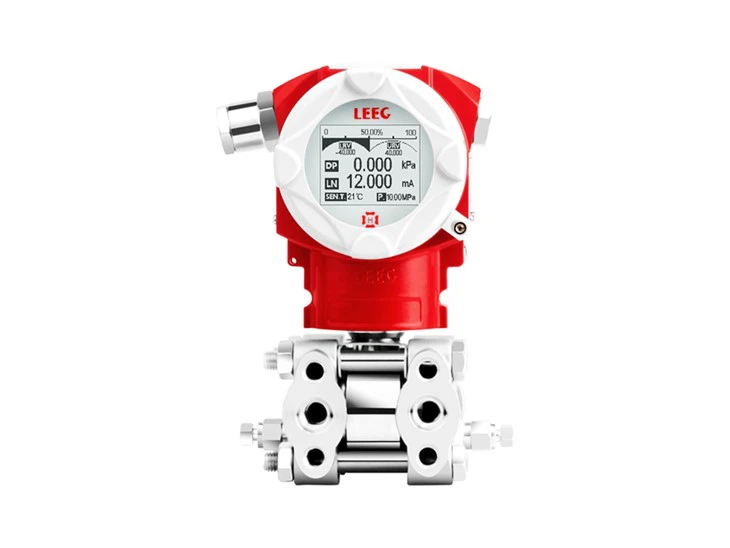
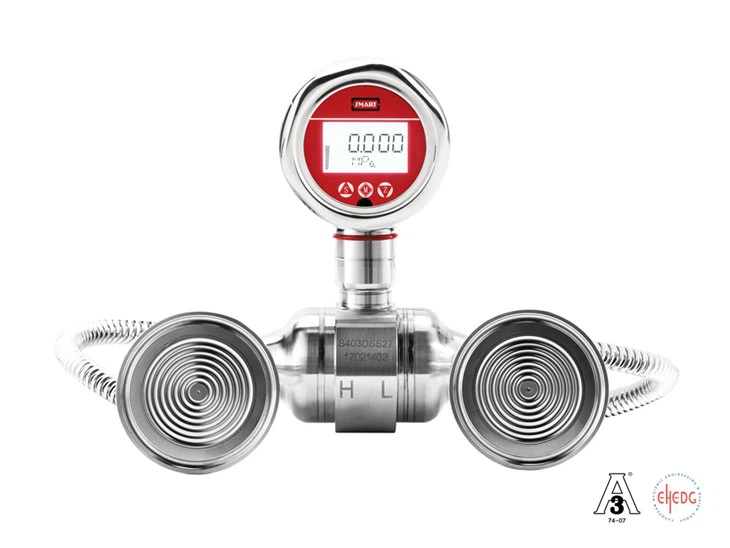
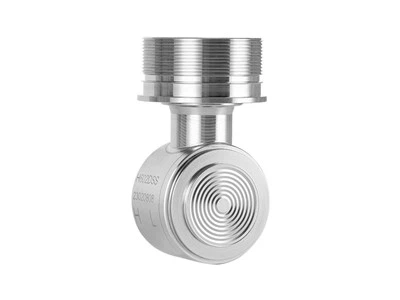
In the operation and management of long-distance natural gas pipelines, pressure monitoring systems play a vital role. Taking a 1,200-kilometer high-pressure gas transmission pipeline operated by a natural gas company as an example, this pipeline supplies 70% of the regional gas demand while traversing complex terrains including mountainous areas, rivers, and urban zones, facing multiple challenges such as pressure fluctuations, leakage risks, and third-party interference. As traditional manual inspection methods can no longer meet modern pipeline management requirements, the company selected LEEG's DMP305X-TST pressure transmitters as the core monitoring equipment for comprehensive intelligent system upgrades to establish a complete monitoring system.
The project implemented a multi-level monitoring network architecture. For hardware configuration, explosion-proof certified high-precision intelligent pressure transmitters (with ±0.05% FS accuracy) were installed every 3 kilometers along the entire pipeline. Additional distributed optical fiber pressure sensing systems (with 1-meter spatial resolution) were deployed in high-risk sections. These monitoring devices transmit real-time data to the control center via network connections, enabling comprehensive visual monitoring of pipeline pressure conditions through integration with the SCADA system.
The system incorporates advanced intelligent analysis capabilities. Its machine learning-based leakage early warning module can accurately identify pressure drops exceeding 10 kPa per minute. When combined with vibration sensor data, the system effectively monitors third-party construction activities with positioning accuracy within ±50 meters.
This successful implementation demonstrates broad application prospects. The solution can be applied to urban gas networks for medium/low-pressure pipeline overpressure warnings, integrated with BOG recovery systems at LNG terminals, and provides valuable technical references for future hydrogen pipeline pressure monitoring. The case fully proves that intelligent pressure monitoring systems serve as the neural center ensuring safe and efficient natural gas pipeline operation, offering an exemplary model for digital transformation in energy infrastructure.