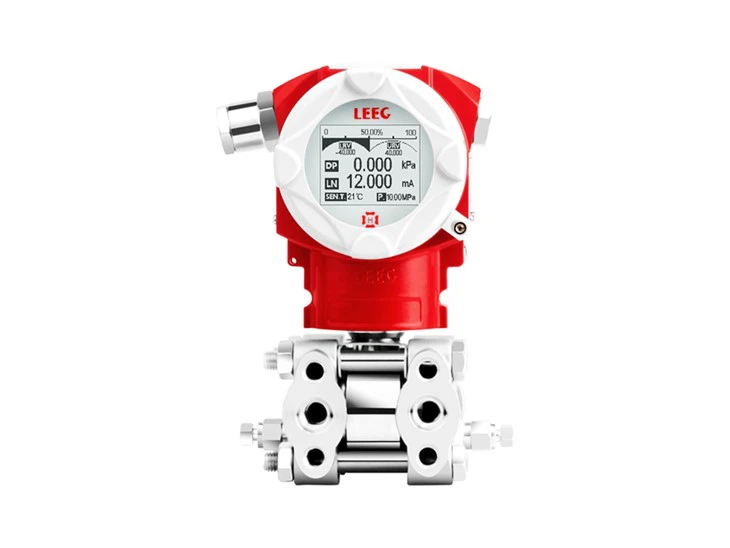
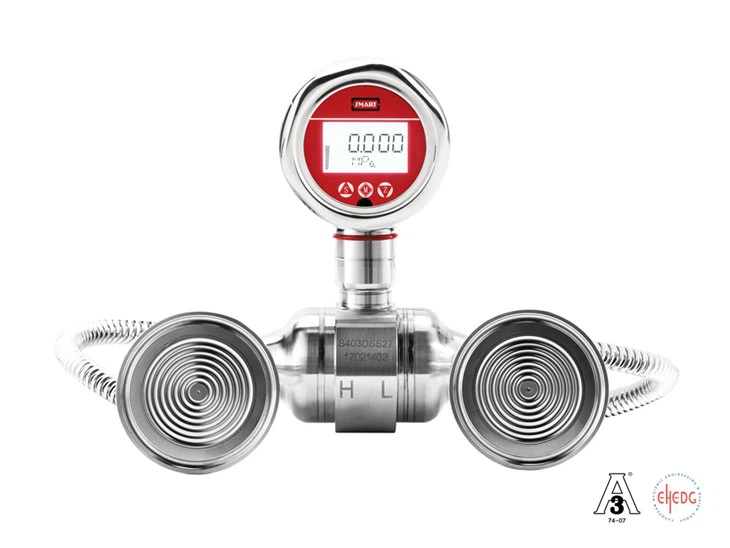
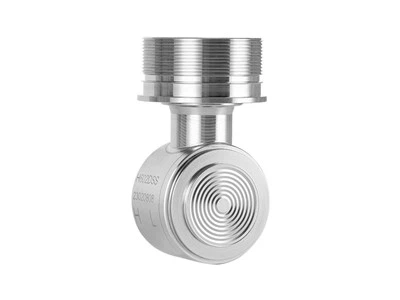
Sanitary pressure transmitters play a crucial role in cell reactors, primarily used for real-time monitoring and control of internal pressure to ensure the stability and safety of the cell culture environment. These transmitters feature a hygienic design, complying with standards such as FDA and EHEDG. They are typically constructed from 316L stainless steel or Hastelloy, with surfaces that are electropolished or mechanically treated to eliminate dead zones or crevices, preventing microbial growth and meeting sterile environment requirements.
During cell culture processes, the pressure transmitter accurately measures gas or liquid pressure within the reactor and transmits signals to the control system, aiding in the regulation of gas inlet, exhaust, or agitation speed to maintain optimal oxygen partial pressure and hydrodynamic conditions. Additionally, their resistance to high temperature, high pressure, and compatibility with CIP/SIP (Clean-in-Place/Sterilize-in-Place) processes allow them to withstand rigorous sterilization procedures, ensuring process compliance and consistency. As a result, they are widely used in high-hygiene-demand industries such as biopharmaceuticals and vaccine production.