I. Industry Background and Challenges
Methylamine (CH₃NH₂) is a crucial raw material in coatings production, commonly used in synthesizing key components such as resins and curing agents. However, the storage and usage of methylamine present unique challenges:
- High Volatility: It easily vaporizes at room temperature, leading to significant measurement errors with traditional level sensors (e.g., float-type).
- Corrosiveness: It corrodes ordinary metals (e.g., carbon steel), requiring corrosion-resistant materials.
- Low Viscosity but Prone to Vaporization: Liquid methylamine and its aqueous solutions (e.g., 40%) have low viscosity (~1-2 mPa·s), but gas-liquid mixed conditions may interfere with non-contact measurement methods like ultrasonic sensors.

II. Solution: Differential Pressure Level Transmitter
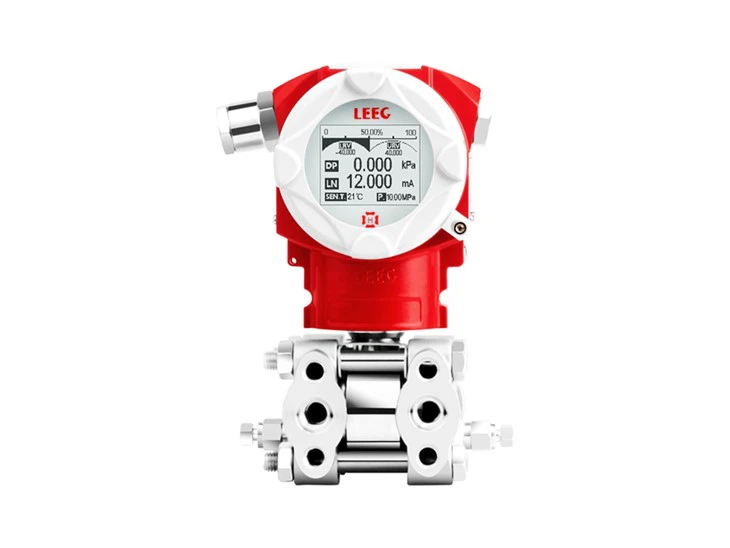
To address methylamine's characteristics, the company adopted a high-sealing differential pressure level transmitter with the following key features:
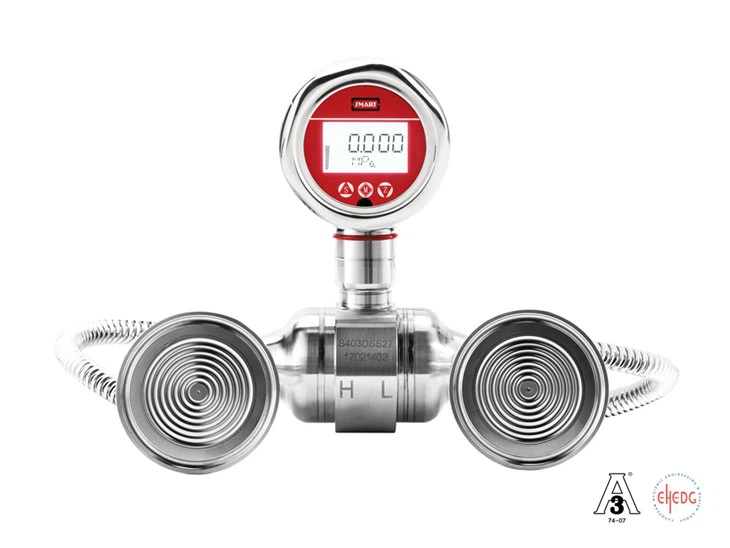
Dual-Flange Isolated Diaphragm Structure:
- The high-pressure side flange measures liquid column pressure at the tank bottom, while the low-pressure side connects to the vapor space at the top, directly calculating true liquid level (ΔP=ρgh).
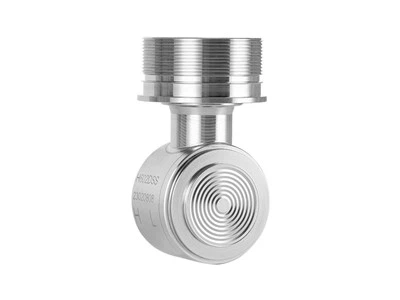
- Hastelloy C276 diaphragm material resists methylamine corrosion.
Vapor Compensation Technology:
- Built-in temperature sensors automatically correct top-pressure fluctuations caused by methylamine vaporization, preventing false level readings.
Anti-Clogging Design:
- Smooth, dead-zone-free diaphragm surfaces prevent crystallization residue (especially in low-temperature conditions).
III. Implementation Results
Measurement Accuracy: ±0.5% FS, far surpassing the previous ultrasonic sensor (±3% FS).
Stability: Zero drift over 12 months of continuous operation, reducing maintenance frequency to zero.