Common pressure vessels include pipelines, gas cylinders, oil tanks, and boilers. These are generally used in industrial production to contain gases for reactions, mass transfer, heat transfer, separation, transportation, and storage, and require a certain level of pressure to seal equipment. They are widely used in the petroleum, chemical, energy, metallurgy, machinery, medicine, and defense industries. Gas pressure sensors and transmitters primarily monitor these vessels in real time, converting the pressure into a standardized signal that is then fed to the control system for analysis and adjustment. They play a vital role in ensuring stable production operations and preventing safety incidents such as leaks and explosions.
Pipeline Gas Monitoring
During the transportation of gases such as compressed air and natural gas, the pressure within the pipeline must be continuously monitored. Mono-silicon gas pressure sensors provide high-precision measurements, constantly monitoring pressure changes within the pipeline and transmitting the signal to the transmitter, which then outputs a stable electrical signal to the control system. Monitoring personnel can remotely monitor the pressure from the dispatch center and promptly detect anomalies. For example, low pressure could affect downstream gas demand, while excessive pressure could potentially cause a pipeline rupture. The long-term stable operation of gas pressure sensors and transmitters ensures the safety of the entire network management and monitoring system.


Oil Tank Gas Monitoring
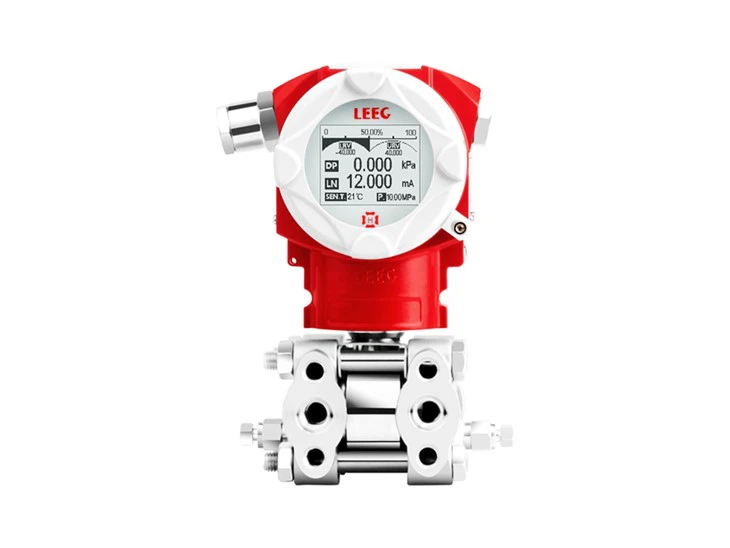
Oil tank monitoring primarily occurs in the petrochemical and energy storage industries. Large storage tanks generally require strict monitoring of internal gas changes. Evaporation, fermentation, or temperature fluctuations within the tank cause gas pressure fluctuations. Failure to monitor this can easily lead to tank expansion and leakage. When the pressure reaches a point where the tank cannot withstand it, an explosion may occur. Gas pressure transmitters and sensors monitor real-time pressure changes within the tank roof and transmit this data to the DCS system for intelligent regulation. When the pressure exceeds a certain threshold, the system automatically activates the exhaust valve or cooling device to ensure the tank's safety. The petrochemical industry is prone to flammable and explosive gases, and LEEG Instruments' explosion-proof pressure transmitters play a critical role in ensuring the safety of personnel and equipment.


How can pipeline gas monitoring avoid signal attenuation and interference caused by long-distance transmission?
In large-scale natural gas or hydrogen pipeline networks, gas pressure sensors and transmitters are distributed over a wide area (one per 1-2 km). The signal transmission distance between the transmitter and the control center can be several kilometers or even longer. Analog signals are susceptible to electromagnetic interference, resulting in reduced accuracy and impacting safe dispatch.
Smart pressure transmitters are used, with output options such as 4-20mA and HART or RS485 for data transmission. These output methods offer strong anti-interference capabilities and high data integrity. Furthermore, relay stations or local data acquisition units can be added at key nodes to achieve multi-level monitoring and data aggregation, ensuring real-time and accurate transmission of pipeline pressure information to the control center.
How can oil tank gas monitoring prevent transmitter damage in corrosive and flammable environments?
Oil tanks often store corrosive, volatile, and high-temperature media. Conventional pressure transmitters may have corrosion-resistant materials or processes, shortening their lifespan and potentially leading to leaks.
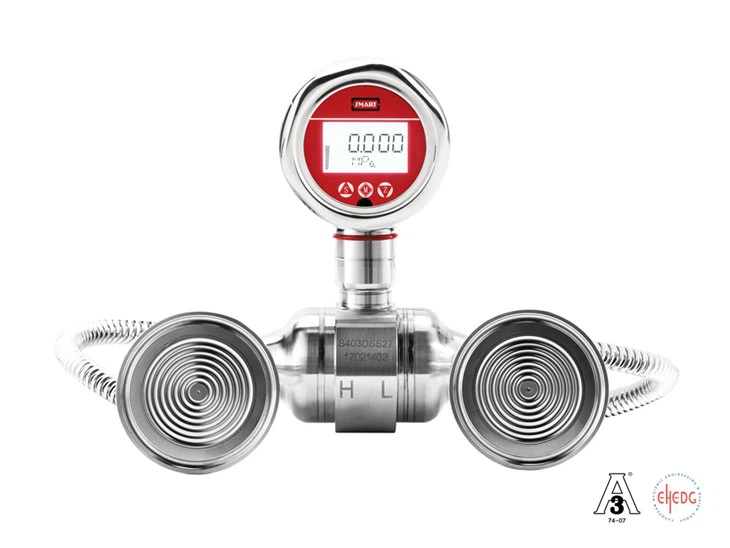
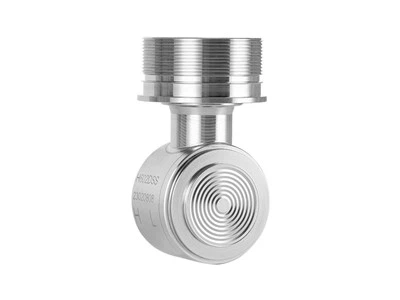
LEEG Instruments supplies gas pressure transmitters with corrosion-resistant diaphragms such as Hastelloy C, tantalum, and gold-plated diaphragms, as well as diaphragm seals. These transmitters effectively resist corrosive media and hydrogen permeation. For high-temperature environments, optional heat sinks or remote transmission structures can be installed to isolate the transmitter from the high-temperature media, transmitting the pressure signal via a capillary tube. Furthermore, LEEG Instruments' intrinsically safe and explosion-proof pressure transmitters ensure safe operation in flammable, explosive, high-temperature, and corrosive media.