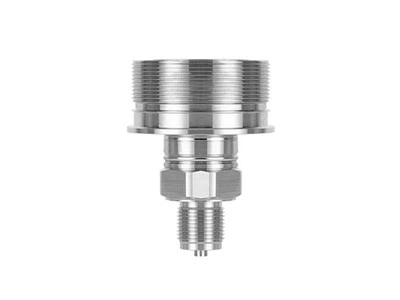
When it comes to industrial instrumentation, a remote seal transmitter plays a crucial role in accurately measuring pressure, level, and flow in various challenging applications. As a leading provider of remote seal transmitters, I often receive inquiries about the price range of these devices. In this blog post, I will delve into the factors that influence the cost of remote seal transmitters and provide an overview of the typical price ranges you can expect.
Factors Affecting the Price of Remote Seal Transmitters
The price of a remote seal transmitter is determined by several key factors, each of which contributes to the overall cost of the device. Understanding these factors can help you make an informed decision when selecting a transmitter that meets your specific requirements and budget.
1. Type of Transmitter
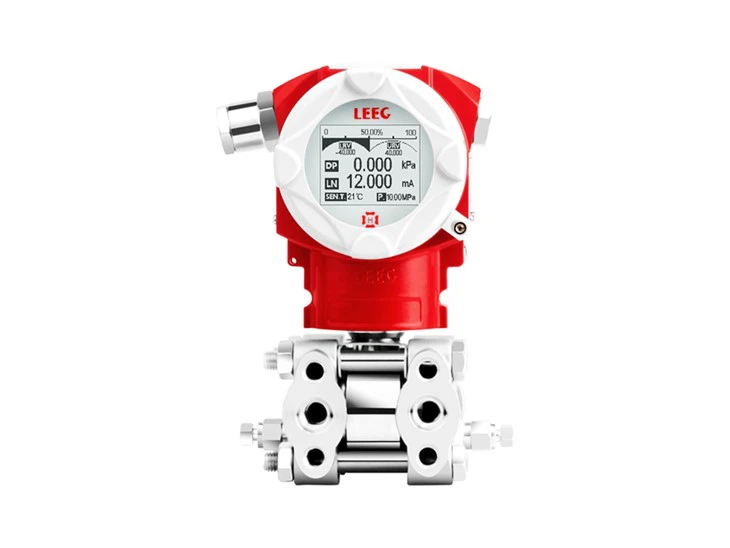
There are different types of remote seal transmitters available in the market, including differential pressure transmitters, absolute pressure transmitters, and multivariable transmitters. Each type has its own unique features and capabilities, which can affect the price. For example, a SMP858-NST Differential Pressure Transmitter is designed to measure the difference in pressure between two points, while a DMP305X-TST-S Absolute Pressure Transmitter measures the pressure relative to a perfect vacuum. Multivariable transmitters, such as the 2035 Multivariable Transmitter, can measure multiple process variables, such as pressure, temperature, and flow, in a single device. Generally, multivariable transmitters tend to be more expensive than single-variable transmitters due to their increased functionality.
2. Accuracy and Precision
The accuracy and precision of a remote seal transmitter are critical factors in determining its price. Higher accuracy transmitters are capable of providing more precise measurements, which are essential in applications where even small errors can have significant consequences. Transmitters with higher accuracy ratings typically require more advanced technology and manufacturing processes, which can drive up the cost. When selecting a transmitter, it is important to consider the specific accuracy requirements of your application and balance them against your budget.
3. Material and Construction
The materials used in the construction of a remote seal transmitter can also affect its price. Transmitters that are designed for use in harsh or corrosive environments may be constructed from more expensive materials, such as stainless steel or exotic alloys, to ensure durability and reliability. Additionally, the design and construction of the transmitter's seals and diaphragms can impact its performance and longevity. High-quality seals and diaphragms are essential for preventing leaks and ensuring accurate measurements, but they can also add to the cost of the device.
4. Range and Capacity
The range and capacity of a remote seal transmitter refer to the minimum and maximum pressure or level that it can measure. Transmitters with a wider range and higher capacity are typically more expensive than those with a narrower range and lower capacity. When selecting a transmitter, it is important to choose one that is capable of measuring the full range of pressures or levels that you expect to encounter in your application. However, it is also important to avoid over-specifying the range and capacity, as this can result in unnecessary costs.

5. Additional Features and Options
Many remote seal transmitters offer additional features and options that can enhance their functionality and performance. These features may include digital communication protocols, such as HART or Modbus, which allow the transmitter to communicate with other devices in the control system; diagnostic capabilities, which can help to identify and troubleshoot problems; and calibration and configuration tools, which make it easier to set up and maintain the transmitter. While these features can provide significant benefits, they can also add to the cost of the device. When considering additional features and options, it is important to evaluate their value and determine whether they are necessary for your application.
Typical Price Ranges
Based on the factors discussed above, the price range of a remote seal transmitter can vary widely. Generally, you can expect to pay anywhere from a few hundred dollars to several thousand dollars for a high-quality transmitter. Here is a breakdown of the typical price ranges for different types of remote seal transmitters:
1. Differential Pressure Transmitters
Differential pressure transmitters are the most commonly used type of remote seal transmitter and are available in a wide range of prices. Entry-level differential pressure transmitters with basic features and a narrow range may cost as little as $300 to $500. Mid-range transmitters with higher accuracy and additional features, such as digital communication protocols, may cost between $500 and $1,500. High-end differential pressure transmitters with advanced technology and a wide range of features can cost upwards of $1,500.
2. Absolute Pressure Transmitters
Absolute pressure transmitters are typically more expensive than differential pressure transmitters due to their more complex design and higher accuracy requirements. Entry-level absolute pressure transmitters with basic features and a narrow range may cost between $500 and $1,000. Mid-range transmitters with higher accuracy and additional features, such as diagnostic capabilities, may cost between $1,000 and $2,500. High-end absolute pressure transmitters with advanced technology and a wide range of features can cost upwards of $2,500.
3. Multivariable Transmitters
Multivariable transmitters are the most expensive type of remote seal transmitter due to their increased functionality and complexity. Entry-level multivariable transmitters with basic features and a narrow range may cost between $1,500 and $3,000. Mid-range transmitters with higher accuracy and additional features, such as digital communication protocols and diagnostic capabilities, may cost between $3,000 and $5,000. High-end multivariable transmitters with advanced technology and a wide range of features can cost upwards of $5,000.
Conclusion
In conclusion, the price of a remote seal transmitter is influenced by several factors, including the type of transmitter, accuracy and precision, material and construction, range and capacity, and additional features and options. When selecting a transmitter, it is important to consider the specific requirements of your application and balance them against your budget. By understanding the factors that affect the price of remote seal transmitters, you can make an informed decision and choose a device that provides the best value for your money.
If you are interested in learning more about our remote seal transmitters or would like to discuss your specific requirements, please feel free to contact us. Our team of experts is available to provide you with detailed information and assistance in selecting the right transmitter for your application. We look forward to working with you to meet your industrial instrumentation needs.
References
- "Industrial Pressure Transmitters: A Comprehensive Guide." InstrumentationTools.com.
- "Pressure Transmitter Selection Guide." Emerson.com.
- "Remote Seal Transmitters: How They Work and Why You Need Them." Yokogawa.com.