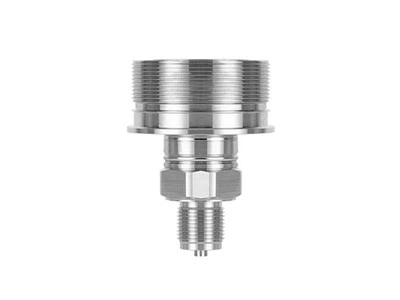
The cost of a pressure transmitter with a 4 - 20mA output signal can vary widely based on several factors. As a supplier in the field of pressure transmitters, I am well - versed in the elements that contribute to these price differences. In this blog, I'll break down the key factors influencing the cost and provide insights into what you can expect when purchasing such a device.
1. Sensor Technology
The heart of a pressure transmitter is its sensor. Different sensor technologies have different manufacturing costs, which are then reflected in the final price of the transmitter.
-
Strain Gauge Sensors: These are among the most common types of sensors used in pressure transmitters. They work on the principle that the resistance of a strain gauge changes when it is deformed by pressure. Strain gauge sensors are relatively cost - effective because they are well - established technology and are mass - produced. However, their accuracy and long - term stability may be limited compared to other types. Pressure transmitters using strain gauge sensors with a 4 - 20mA output can range from a few hundred dollars to around a thousand dollars, depending on the specific application requirements such as pressure range and environmental conditions.
-
Capacitive Sensors: Capacitive sensors measure pressure by detecting changes in capacitance. They offer high accuracy, excellent linearity, and good long - term stability. The manufacturing process of capacitive sensors is more complex and requires precise calibration, which makes them more expensive than strain gauge sensors. A pressure transmitter with a capacitive sensor and 4 - 20mA output can cost anywhere from one thousand to several thousand dollars, especially for high - precision applications in industries like aerospace and pharmaceuticals.
-
Piezoelectric Sensors: Piezoelectric sensors generate an electric charge in response to pressure. They are often used in dynamic pressure measurement applications, such as in automotive engine testing. Piezoelectric sensors are relatively expensive due to their specialized nature and the need for high - quality materials. Pressure transmitters with piezoelectric sensors and 4 - 20mA output can cost several thousand dollars, depending on the pressure range and frequency response requirements.
2. Pressure Range
The pressure range that a transmitter is designed to measure is another significant factor in determining its cost.
-
Low - Pressure Range: Transmitters designed for low - pressure applications, such as measuring pressures in the range of a few inches of water column to a few psi, are generally less expensive. These are commonly used in HVAC systems, ventilation, and some light industrial applications. The manufacturing process for low - pressure sensors is less demanding, and the materials used are often more common. A low - pressure transmitter with a 4 - 20mA output can cost between a few hundred to a couple of thousand dollars.

-
Medium - Pressure Range: For medium - pressure applications, typically in the range of tens to a few hundred psi, the cost increases. These transmitters are used in a wide variety of industrial processes, including hydraulic systems and some chemical processing applications. The sensors need to be more robust and accurate to handle the higher pressures, which adds to the manufacturing cost. Medium - pressure transmitters with 4 - 20mA output usually cost between one thousand to three thousand dollars.
-
High - Pressure Range: High - pressure transmitters, designed to measure pressures in the range of thousands of psi, are the most expensive. These are used in applications such as oil and gas exploration, high - pressure hydraulic systems, and some specialized manufacturing processes. The sensors must be made from high - strength materials and undergo rigorous testing to ensure safety and accuracy. A high - pressure transmitter with a 4 - 20mA output can cost several thousand dollars, sometimes exceeding five thousand dollars.
3. Accuracy and Precision
The level of accuracy and precision required in a pressure measurement application directly impacts the cost of the transmitter.
-
Standard Accuracy: Pressure transmitters with standard accuracy, typically around ±0.5% to ±1% of the full - scale reading, are more affordable. These are suitable for many general industrial applications where a rough estimate of pressure is sufficient. A standard - accuracy pressure transmitter with a 4 - 20mA output can cost in the range of a few hundred to a couple of thousand dollars, depending on other factors such as pressure range and sensor technology.
-
High - Accuracy: For applications that require high accuracy, such as in calibration laboratories or some high - end manufacturing processes, transmitters with an accuracy of ±0.1% or better are needed. Achieving such high accuracy requires more precise manufacturing processes, better materials, and extensive calibration. High - accuracy pressure transmitters with 4 - 20mA output can cost several thousand dollars, sometimes reaching up to ten thousand dollars or more.
4. Environmental Conditions
The environment in which the pressure transmitter will operate also affects its cost.
-
General Industrial Environment: Transmitters designed for general industrial environments, where the temperature, humidity, and vibration levels are relatively moderate, are less expensive. These transmitters are often made with standard materials and do not require special protection. A pressure transmitter suitable for a general industrial environment with a 4 - 20mA output can cost a few hundred to a couple of thousand dollars.
-
Harsh Environments: In harsh environments, such as those with extreme temperatures, high humidity, corrosive chemicals, or high levels of vibration, the transmitter needs to be specially designed and protected. This may involve using corrosion - resistant materials, hermetically sealed enclosures, and vibration - damping mechanisms. Pressure transmitters for harsh environments with 4 - 20mA output can cost significantly more, often several thousand dollars, depending on the severity of the environment.
5. Additional Features
Some pressure transmitters come with additional features that can increase their cost.
-
Digital Communication: In addition to the 4 - 20mA output, some transmitters offer digital communication protocols such as HART (Highway Addressable Remote Transducer) or Modbus. These protocols allow for more advanced configuration, diagnostics, and data transmission. Transmitters with digital communication capabilities are more expensive than those with only a 4 - 20mA output, typically adding a few hundred to a couple of thousand dollars to the cost.
-
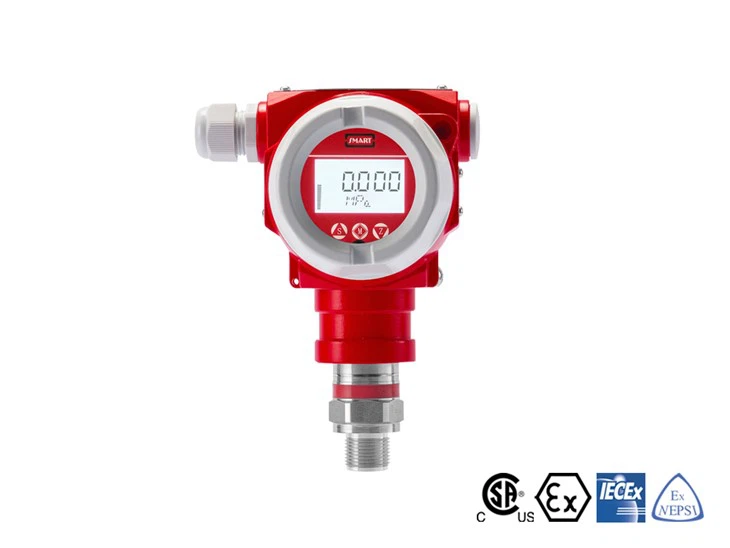
Display: Pressure transmitters with built - in displays that show the measured pressure value are more convenient for on - site monitoring. However, the addition of a display increases the manufacturing cost. A pressure transmitter with a display and 4 - 20mA output can cost a few hundred dollars more than a similar transmitter without a display.
Examples of Our Products
We offer a range of pressure transmitters with 4 - 20mA output signals to meet different customer needs. For example, our DMP305X-TST-S Absolute Pressure Transmitter is designed for applications where absolute pressure measurement is required. It uses high - quality sensor technology to ensure accurate and reliable performance. Our DMP305X-TST-S Gauge Pressure Transmitter is suitable for measuring gauge pressure in various industrial processes. And our DMP305X-DST Differential Pressure Transmitter is ideal for applications where the difference in pressure between two points needs to be measured.
Conclusion
The cost of a pressure transmitter with a 4 - 20mA output signal is influenced by multiple factors, including sensor technology, pressure range, accuracy, environmental conditions, and additional features. When choosing a pressure transmitter, it is essential to carefully consider your specific application requirements to ensure that you get the best value for your money.
If you are interested in purchasing a pressure transmitter or need more information about our products, please feel free to contact us for a detailed quote and to discuss your specific needs. Our team of experts is ready to assist you in finding the most suitable pressure transmitter for your application.
References
- "Pressure Measurement Technology" by John Doe.
- "Industrial Instrumentation Handbook" by Jane Smith.