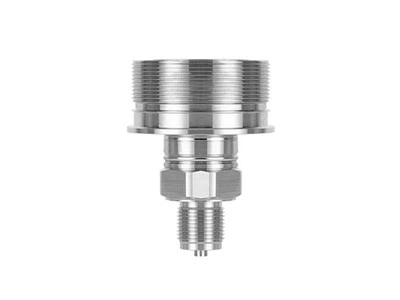
In the sophisticated landscape of water purification systems, the seamless and safe operation hinges heavily on the proper functioning of various components, with sanitary pressure sensors playing a pivotal role. As a dedicated sanitary pressure sensor provider, I have witnessed firsthand the critical importance of these sensors in ensuring water purity and system efficiency. This article delves into the key requirements for sanitary pressure sensors in water purification systems, offering insights for those who are looking to understand or improve their water treatment facilities.
Hygienic Design
One of the most fundamental requirements for sanitary pressure sensors used in water purification systems is their hygienic design. Water purification involves handling water that is intended for human consumption or sensitive industrial processes, making it essential to prevent any form of contamination. Sanitary pressure sensors need to be constructed with materials that are resistant to corrosion and do not react with water or chemicals used in the purification process. Typically, these sensors are made from high - grade stainless steel, such as 316L, which is not only durable but also has excellent corrosion resistance properties.
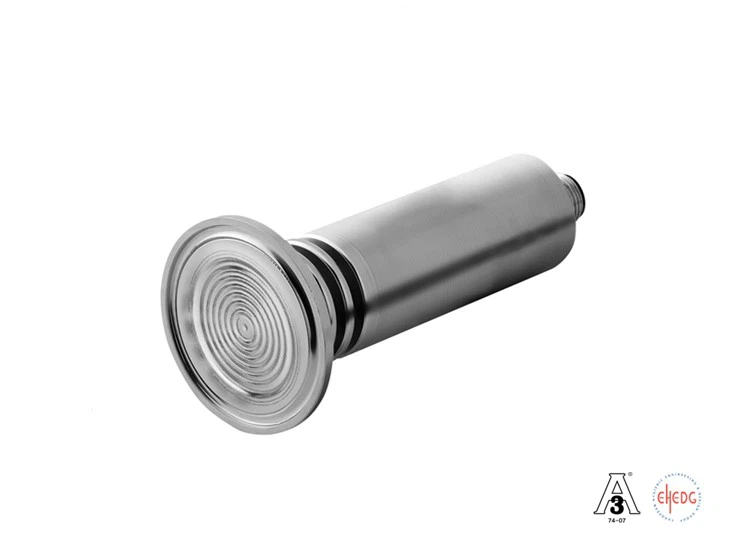
In addition to the materials, the physical design of the sensor should also minimize the risk of contamination. There should be no crevices or dead spaces where bacteria or other contaminants could accumulate. For example, the diaphragm of the pressure sensor, which is in direct contact with the water, should be smooth and free of any rough edges. Any joints or connections should be designed to be watertight and easy to clean. This ensures that the sensor itself does not become a source of pollution within the water purification system.
Accuracy and Reliability
Accurate pressure measurement is crucial in water purification systems. Pressure sensors are used to monitor various parameters such as the pressure in filtration units, the pressure drop across membranes, and the pressure in storage tanks. Even a slight inaccuracy in pressure measurement can lead to inefficient operation of the system, potentially resulting in reduced water quality or increased energy consumption.
The pressure sensors must be able to provide accurate readings within a specified range of operating conditions. This means they should be calibrated regularly to maintain their accuracy over time. Moreover, they should be reliable enough to withstand the rigors of constant use in a water purification environment. Factors such as temperature variations, humidity, and pressure fluctuations can all affect the performance of the sensor. A high - quality sanitary pressure sensor should be able to maintain its accuracy and stability under these challenging conditions.
Compatibility with Water Purification Processes
Water purification systems employ a variety of processes, including filtration, reverse osmosis, and disinfection. Sanitary pressure sensors need to be compatible with these processes and the chemicals used within them. For example, in a reverse osmosis system, the sensor may be exposed to high - pressure water and certain cleaning agents. The sensor must be able to tolerate these conditions without experiencing any degradation in performance.
Furthermore, the sensor should be able to work in harmony with other components of the water purification system. It should be able to communicate effectively with control systems and other monitoring devices to ensure that the entire system operates efficiently. For instance, in a smart water purification system, the pressure sensor may need to send real - time data to a central control unit, which can then adjust the operation of pumps or valves based on the pressure readings.
Ease of Installation and Maintenance
In a water purification system, time and efficiency are of the essence. Sanitary pressure sensors need to be easy to install, which means they should have standardized mounting options and clear installation instructions. This reduces the downtime during the installation process and allows the water purification system to resume operation quickly.
Moreover, maintenance is an ongoing aspect of any water purification system. The pressure sensors should be easy to maintain and service. This includes features such as easy access to internal components for calibration or replacement. Additionally, the sensors should come with diagnostic capabilities that can help identify potential issues before they lead to system failures. For example, some sensors can provide early warnings if they detect abnormal pressure fluctuations or if they are approaching the end of their service life.
Compliance with Industry Standards
The water purification industry is highly regulated, and sanitary pressure sensors must comply with various industry standards. These standards ensure that the sensors are safe, reliable, and suitable for use in water purification applications. For example, sensors may need to comply with standards such as the FDA (Food and Drug Administration) regulations in the United States or the EU's hygiene standards.
Compliance with these standards not only guarantees the quality of the sensor but also provides assurance to the end - users that the water purification system is operating in a safe and legal manner. By choosing pressure sensors that meet these industry standards, water purification system operators can avoid potential legal issues and ensure the long - term reliability of their systems.
Our Product Offerings
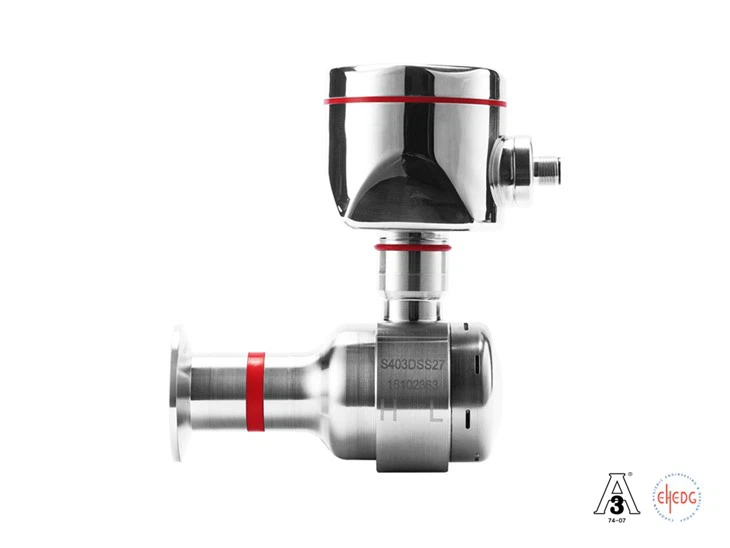
As a sanitary pressure sensor supplier, we understand the importance of meeting these requirements. We offer a range of high - quality sanitary pressure sensors that are designed to excel in water purification systems. Our SMP858 - TSF - D Gauge Pressure Transmitter is one such product. It features a hygienic design with a smooth stainless - steel diaphragm, ensuring minimal risk of contamination. It provides accurate pressure measurements within a wide operating range and is highly reliable in the face of challenging environmental conditions.
Another product in our portfolio is the SMP858 - TSD - S Gauge Pressure Transmitter. This transmitter is specifically designed for compatibility with various water purification processes. It can withstand exposure to different chemicals and high - pressure water, making it an ideal choice for reverse osmosis and other advanced purification methods.
Our SMP858 - TSH - S Gauge Pressure Transmitter is known for its ease of installation and maintenance. It comes with user - friendly features and diagnostic capabilities that simplify the process of integrating it into a water purification system and keeping it in optimal working condition.
Conclusion
In conclusion, the requirements for sanitary pressure sensors in water purification systems are multifaceted, encompassing hygienic design, accuracy, reliability, compatibility, ease of installation and maintenance, and compliance with industry standards. As a supplier of sanitary pressure sensors, we are committed to providing products that meet these requirements and contribute to the efficient and safe operation of water purification systems.
If you are in the process of setting up or upgrading a water purification system and are looking for high - quality sanitary pressure sensors, we invite you to contact us for procurement and further discussion. Our team of experts is ready to assist you in finding the most suitable sensors for your specific needs.
References
- "Water Purification Technology Handbook" - Various industry - specific data and requirements for water purification components.
- Industry Standards Publications (FDA, EU Hygiene Standards) - Regulations governing the use of sensors in water purification.