Hey there! I'm a supplier of hygienic pressure sensors, and today I wanna chat about the installation requirements for these nifty devices. Hygienic pressure sensors are super important in industries where cleanliness and accuracy are key, like food and beverage, pharmaceuticals, and biotechnology. So, let's dive right in and explore what you need to know when installing these sensors.
Location, Location, Location
First things first, the location where you install your hygienic pressure sensor matters big time. You gotta pick a spot that's representative of the pressure you wanna measure. For example, if you're measuring the pressure in a pipeline, you don't wanna place the sensor right next to a valve or a bend where the flow might be turbulent. This could give you inaccurate readings.
Instead, look for a straight section of the pipeline where the flow is smooth. It's also important to make sure the sensor is installed at the right height. In most cases, it should be at the same level as the process fluid to avoid any hydrostatic pressure errors.
Another thing to consider is the environment. Hygienic pressure sensors are designed to work in clean and sterile conditions. So, you wanna avoid installing them in areas where there's a lot of dust, dirt, or moisture. If possible, choose a location that's protected from the elements and easy to clean.
Mounting the Sensor
Once you've found the perfect location, it's time to mount the sensor. There are a few different ways to do this, depending on the type of sensor and the application. One common method is to use a flange or a threaded connection. This ensures a secure and leak-free installation.
When mounting the sensor, make sure it's level and aligned properly. Any misalignment can cause stress on the sensor and affect its performance. You should also use the right tools and follow the manufacturer's instructions carefully.
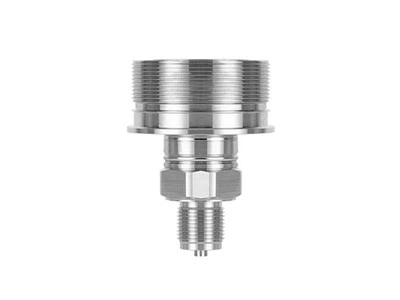
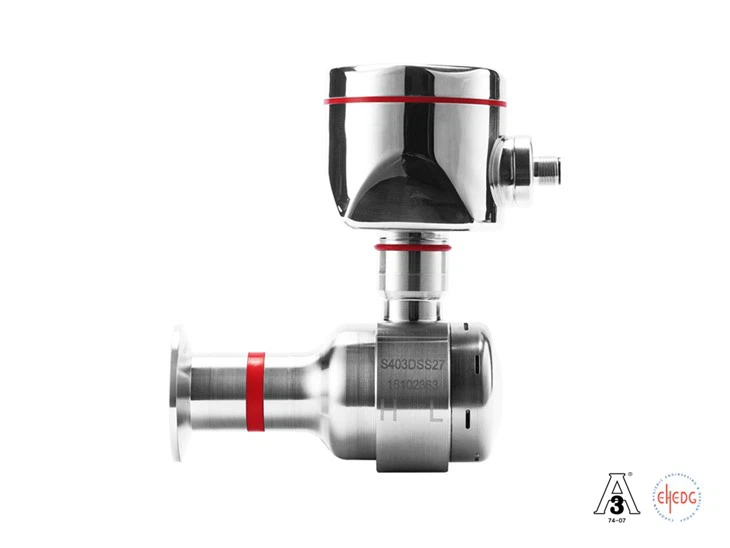
Some hygienic pressure sensors come with a sanitary fitting, which makes installation even easier. These fittings are designed to be easy to clean and maintain, and they ensure a hygienic connection between the sensor and the process.
Electrical Connections
After mounting the sensor, you need to make the electrical connections. This is an important step, as any loose or faulty connections can cause problems with the sensor's operation.
First, make sure you have the right cables and connectors for your sensor. The cables should be rated for the voltage and current requirements of the sensor, and they should be shielded to prevent interference.
When making the connections, be careful not to damage the wires or the connectors. You should also follow the wiring diagram provided by the manufacturer to ensure the correct polarity.
It's also a good idea to use a junction box to protect the electrical connections. This helps to keep them clean and dry, and it makes it easier to troubleshoot any problems that may arise.
Calibration and Testing
Once the sensor is installed and the electrical connections are made, it's time to calibrate and test the sensor. Calibration is the process of adjusting the sensor to ensure accurate readings. This is usually done using a calibration device, such as a pressure gauge or a calibrator.
Before calibrating the sensor, make sure it's warm up for at least 30 minutes. This allows the sensor to stabilize and ensures accurate readings. You should also follow the calibration procedure provided by the manufacturer carefully.
After calibration, it's important to test the sensor to make sure it's working properly. You can do this by applying a known pressure to the sensor and comparing the reading to the expected value. If the reading is off, you may need to recalibrate the sensor or check for any other problems.
Compatibility with Other Equipment
Hygienic pressure sensors often need to be integrated with other equipment, such as controllers, displays, or data loggers. It's important to make sure the sensor is compatible with these devices before installation.
Check the electrical specifications of the sensor and the other equipment to ensure they match. You should also make sure the communication protocols are compatible. For example, if the sensor uses a Modbus protocol, the other equipment should also support this protocol.
If you're not sure about the compatibility, you can contact the manufacturer or a technical support team for assistance. They can help you choose the right equipment and ensure a seamless integration.
Maintenance and Cleaning
Finally, it's important to remember that hygienic pressure sensors require regular maintenance and cleaning. This helps to ensure their accuracy and reliability over time.

Follow the maintenance schedule provided by the manufacturer. This may include tasks such as checking the electrical connections, inspecting the sensor for any damage, and replacing any worn-out parts.
Cleaning is also crucial for maintaining the hygiene of the sensor. Use a clean and mild detergent to clean the sensor regularly. Make sure to rinse it thoroughly and dry it completely before reinstalling it.
Our Hygienic Pressure Sensors
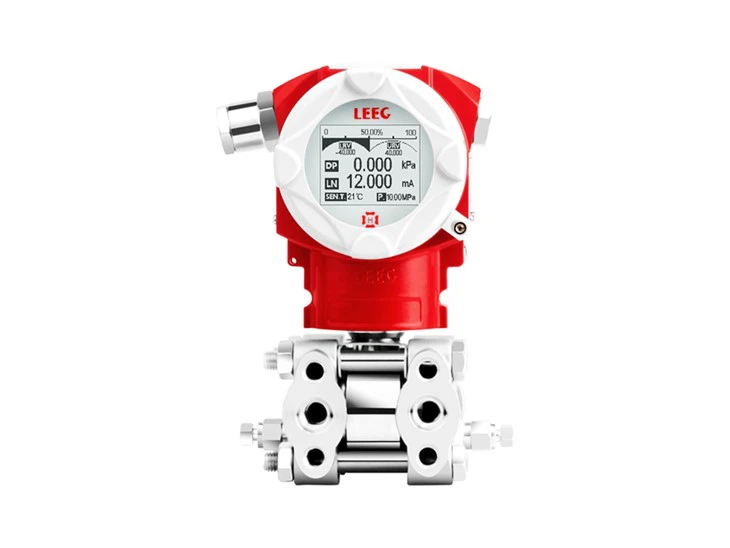
At our company, we offer a wide range of hygienic pressure sensors to meet your needs. For example, our SMP858-NSF Differential Pressure Transmitter is designed for accurate differential pressure measurement in hygienic applications. It features a stainless steel housing and a sanitary fitting, making it easy to clean and maintain.
We also have the SMP858-TSF-S Gauge Pressure Transmitter and the SMP858-TSF-D Gauge Pressure Transmitter, which are ideal for gauge pressure measurement in various industries. These transmitters offer high accuracy and reliability, and they are easy to install and use.
Contact Us for Procurement
If you're interested in purchasing hygienic pressure sensors or have any questions about installation requirements, feel free to reach out to us. We have a team of experts who can help you choose the right sensor for your application and provide you with all the support you need.
References
- Manufacturer's installation manuals for hygienic pressure sensors
- Industry standards for hygienic sensor installation and maintenance