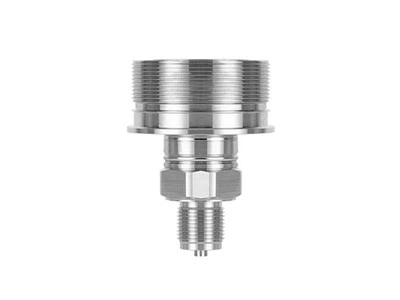
Hey there! As a supplier of ex proof pressure sensors, I've had my fair share of experiences dealing with the ins and outs of installing these crucial devices in hazardous areas. In this blog, I'll walk you through the installation requirements you need to keep in mind.
First off, let's understand what an ex proof pressure sensor is all about. These sensors are designed to be used in environments where there's a risk of explosion, like oil refineries, chemical plants, and mines. They're built to prevent any sparks or heat generated inside the sensor from igniting the surrounding flammable gases or dust.
1. Understanding the Hazardous Area Classification
Before you even think about installing an ex proof pressure sensor, you need to know the classification of the hazardous area. Hazardous areas are divided into zones based on the likelihood of the presence of flammable substances.
In gas - filled areas, Zone 0 is where an explosive gas - air mixture is present continuously or for long periods. Zone 1 is where an explosive gas - air mixture is likely to occur in normal operation, and Zone 2 is where an explosive gas - air mixture is not likely to occur in normal operation and, if it does, will exist only for a short time.
For dust - filled areas, there are similar classifications. Zone 20 is where combustible dust is present continuously or for long periods, Zone 21 is where combustible dust is likely to occur in normal operation, and Zone 22 is where combustible dust is not likely to occur in normal operation and, if it does, will exist only for a short time.
Knowing this classification is crucial because different zones require different levels of protection for the ex proof pressure sensor. For example, a sensor suitable for Zone 2 might not be appropriate for Zone 0.
2. Choosing the Right Sensor
Once you've classified the hazardous area, it's time to pick the right ex proof pressure sensor. Our company offers a range of sensors, like the SMP131 - DLD Differential Pressure Transmitter, the SMP131 - TLD(H) Absolute Pressure Transmitter, and the SMP131 - TCD(H) Gauge Pressure Transmitter. Each of these sensors is designed to meet specific requirements and can be used in different hazardous zones.
You need to consider factors like the type of pressure (differential, absolute, or gauge), the pressure range, and the accuracy required for your application. For instance, if you're measuring the pressure difference between two points in a pipeline, the SMP131 - DLD Differential Pressure Transmitter would be a great choice.
3. Installation Location
The location where you install the ex proof pressure sensor is super important. It should be installed in a place where it can accurately measure the pressure without being affected by external factors.
Avoid installing the sensor in areas with excessive vibration, as this can affect its accuracy and longevity. Also, make sure it's not exposed to direct sunlight or extreme temperatures for long periods. If possible, install the sensor in a sheltered area or use appropriate protective enclosures.
In addition, the sensor should be installed in a location where it's easily accessible for maintenance and calibration. You don't want to have to go through a lot of hassle just to check or adjust the sensor.
4. Mounting Requirements
Proper mounting of the ex proof pressure sensor is essential for its correct operation. The sensor should be mounted securely to prevent any movement or vibration during operation.
Use the appropriate mounting hardware provided with the sensor. Make sure the mounting surface is flat and clean. If the sensor is being mounted on a pipe, ensure that the pipe is of the correct size and that the connection is tight to prevent any leaks.
When mounting the sensor, follow the manufacturer's instructions carefully. Some sensors may need to be mounted in a specific orientation to ensure accurate pressure measurement.


5. Electrical Installation
The electrical installation of the ex proof pressure sensor is a critical step. You need to use cables and wiring that are suitable for the hazardous area. These cables should be rated for the appropriate temperature and voltage and should be properly insulated.
All electrical connections should be made in accordance with the relevant electrical codes and standards. Make sure the connections are tight and free from any corrosion.
It's also important to provide proper grounding for the sensor. Grounding helps to prevent static electricity buildup, which could potentially cause an explosion in a hazardous area.
6. Sealing and Enclosure
The ex proof pressure sensor should be properly sealed to prevent the ingress of flammable gases or dust. Use appropriate gaskets and seals during installation.
In addition, the sensor should be housed in an appropriate enclosure. The enclosure should be made of a material that can withstand the harsh conditions of the hazardous area. It should also be designed to prevent any sparks or heat generated inside the enclosure from escaping and igniting the surrounding atmosphere.
7. Testing and Commissioning
After the installation is complete, you need to test and commission the ex proof pressure sensor. This involves checking the electrical connections, verifying the pressure readings, and ensuring that the sensor is functioning correctly.
Perform a leak test to make sure there are no leaks in the pressure connections. Calibrate the sensor to ensure accurate pressure measurement. Follow the manufacturer's instructions for testing and commissioning to make sure everything is in order.
8. Maintenance and Inspection
Regular maintenance and inspection of the ex proof pressure sensor are necessary to ensure its continued safe and accurate operation. Check the sensor for any signs of damage, wear, or corrosion on a regular basis.
Clean the sensor and its enclosure as needed. Replace any worn - out parts promptly. It's also a good idea to have the sensor recalibrated periodically to maintain its accuracy.
If you're in the market for an ex proof pressure sensor for your hazardous area application, don't hesitate to reach out. We're here to help you choose the right sensor and ensure a smooth installation process. Whether you have questions about the installation requirements or need advice on which sensor is best for your needs, we're just a message away. Let's work together to make your operations in the hazardous area safer and more efficient.
References
- Industrial standards for hazardous area classification
- Manufacturer's installation and operation manuals for ex proof pressure sensors
- Electrical codes and regulations for hazardous areas