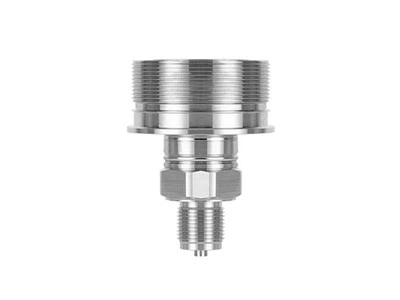
Hey there! As a supplier of remote seal transmitters, I often get asked about how to replace the filling fluid in these devices. It's a crucial maintenance task that can significantly impact the performance and lifespan of your transmitter. So, let's dive right into it and break down the process step by step.
Why Replace the Filling Fluid?
First off, you might be wondering why you need to replace the filling fluid in the first place. Well, over time, the filling fluid can degrade due to factors like high temperatures, chemical exposure, or simply normal wear and tear. When this happens, it can lead to inaccurate readings, reduced sensitivity, and even damage to the transmitter itself. By replacing the filling fluid at regular intervals, you can ensure that your remote seal transmitter continues to operate at its best.
Tools and Materials You'll Need
Before you start the replacement process, it's important to gather all the necessary tools and materials. Here's a list of what you'll typically need:
- New filling fluid: Make sure you use the correct type of filling fluid recommended by the manufacturer. Using the wrong fluid can cause compatibility issues and damage the transmitter.
- Cleaning solvents: You'll need solvents to clean the remote seal and other components before refilling.
- Wrenches and screwdrivers: These tools will be used to remove and reinstall the remote seal and other parts.
- Safety equipment: Wear gloves, goggles, and other appropriate safety gear to protect yourself from the filling fluid and any potential hazards.
Step-by-Step Guide to Replacing the Filling Fluid
Now that you have everything you need, let's walk through the process of replacing the filling fluid in a remote seal transmitter.
Step 1: Shut Down the System
Before you start working on the transmitter, it's crucial to shut down the system and isolate the transmitter from the process. This will prevent any pressure or fluid from flowing through the transmitter while you're working on it, reducing the risk of injury and damage.
Step 2: Remove the Remote Seal
Use the appropriate wrenches and screwdrivers to remove the remote seal from the transmitter. Be careful not to damage the seal or any other components during this process. Once the seal is removed, place it on a clean surface.
Step 3: Drain the Old Filling Fluid
Carefully drain the old filling fluid from the remote seal into a suitable container. Make sure to dispose of the old fluid properly according to local regulations. You may need to use a syringe or other tool to remove any remaining fluid from the seal.
Step 4: Clean the Remote Seal
Use the cleaning solvents to clean the remote seal and other components thoroughly. This will remove any dirt, debris, or residue that may have accumulated over time. Make sure to dry the seal completely before refilling it.
Step 5: Refill the Remote Seal
Using a syringe or other filling device, slowly refill the remote seal with the new filling fluid. Be careful not to overfill the seal, as this can cause problems with the transmitter's performance. Once the seal is filled, check for any air bubbles and remove them if necessary.
Step 6: Reinstall the Remote Seal
Carefully reinstall the remote seal onto the transmitter, making sure it is properly aligned and tightened. Use the appropriate wrenches and screwdrivers to secure the seal in place.
Step 7: Calibrate the Transmitter
After reinstalling the remote seal, it's important to calibrate the transmitter to ensure accurate readings. Follow the manufacturer's instructions for calibrating the transmitter, which may involve using a calibration tool or software.
Step 8: Test the Transmitter
Once the transmitter is calibrated, test it to make sure it is working properly. Check the readings against a known standard or reference to ensure accuracy. If you notice any issues or discrepancies, troubleshoot the problem and make any necessary adjustments.
Tips and Best Practices
Here are some additional tips and best practices to keep in mind when replacing the filling fluid in a remote seal transmitter:
- Follow the manufacturer's instructions: Always refer to the manufacturer's instructions and guidelines for replacing the filling fluid. This will ensure that you use the correct fluid and follow the proper procedures.
- Use high-quality filling fluid: Invest in high-quality filling fluid that is compatible with your transmitter. Using low-quality or incompatible fluid can cause problems and reduce the lifespan of the transmitter.
- Keep the work area clean: Make sure the work area is clean and free of debris before you start working on the transmitter. This will help prevent contamination of the filling fluid and other components.
- Take your time: Replacing the filling fluid in a remote seal transmitter can be a delicate process, so take your time and be careful. Rushing through the process can lead to mistakes and damage to the transmitter.
Our Remote Seal Transmitters
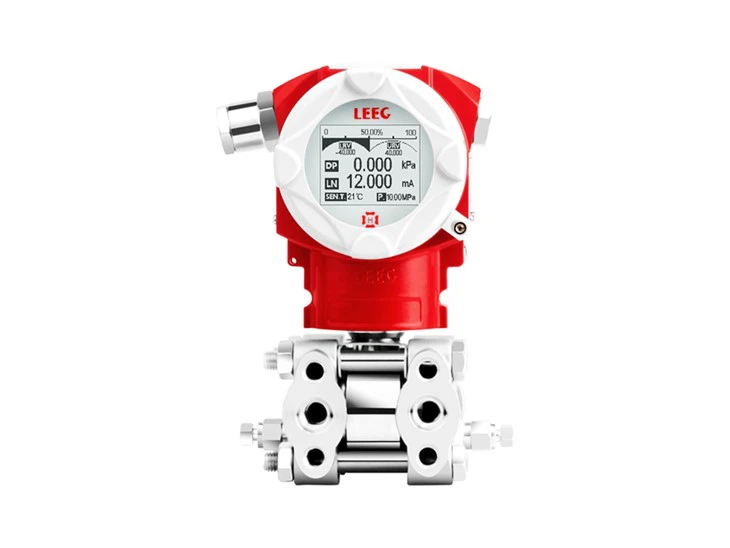
At our company, we offer a wide range of remote seal transmitters, including the SMP858-NST Differential Pressure Transmitter and the 2035 Multivariable Transmitter. These transmitters are designed to provide accurate and reliable measurements in a variety of industrial applications.
The SMP858-NST Differential Pressure Transmitter is a high-performance transmitter that offers excellent accuracy and stability. It features a compact design and is easy to install and maintain. The 2035 Multivariable Transmitter, on the other hand, is a versatile transmitter that can measure multiple process variables, including pressure, temperature, and flow. It offers advanced features and functionality, making it ideal for complex industrial applications.

Contact Us for Procurement
If you're interested in purchasing a remote seal transmitter or have any questions about replacing the filling fluid, please don't hesitate to contact us. Our team of experts is always ready to help you find the right solution for your needs. Whether you're looking for a single transmitter or a complete system, we can provide you with the products and support you need to get the job done.
References
- Manufacturer's manuals for remote seal transmitters
- Industry standards and guidelines for transmitter maintenance