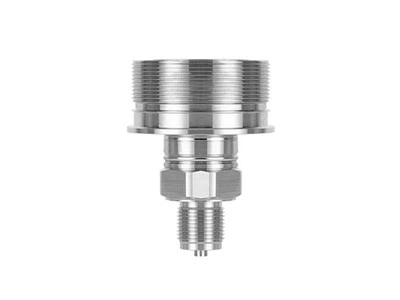
When it comes to installing a DPT (Differential Pressure Transmitter) in a pipeline, there are several crucial steps and considerations that need to be addressed. As a supplier of high - quality DPT pressure transmitters, including the SMP858 - NST Differential Pressure Transmitter, SMP858 - DST Differential Pressure Transmitter, and DMP305X - TST - S Absolute Pressure Transmitter, I am well - versed in the process and best practices.
Pre - installation Preparations
Before starting the installation, it is essential to have all the necessary tools and equipment at hand. This includes a suitable wrench for tightening fittings, a pressure test kit to verify the proper functioning of the transmitter after installation, sealants or gaskets to prevent leaks, and appropriate electrical wiring materials if the transmitter is electrically operated.
It is also vital to thoroughly understand the pipeline system. Know the type of fluid (liquid or gas) flowing through the pipeline, its temperature, pressure range, and chemical properties. Different fluids can require different types of DPT transmitters, and incorrect installations can lead to inaccurate readings or even damage to the equipment. For example, corrosive fluids may need transmitters with special coatings or materials that can resist corrosion.
Selecting the Right Location
The location where you install the DPT pressure transmitter in the pipeline is of utmost importance. First, choose a section of the pipeline that is relatively straight and free from any major bends or obstructions. Bends in the pipeline can cause uneven flow patterns, which may lead to inaccurate differential pressure measurements.
It is also recommended to place the transmitter in an area where it is easily accessible for maintenance and inspection. You should have enough space around the transmitter to perform tasks such as checking the wiring, replacing batteries (if applicable), or calibrating the device.
In addition, consider the elevation of the installation point. For liquid - filled pipelines, it is often beneficial to install the transmitter at a level that is either at or slightly below the centerline of the pipeline. This helps to prevent the formation of air pockets that could interfere with accurate pressure readings.
Mounting the Transmitter
Once the location is determined, the next step is to mount the DPT pressure transmitter. Start by ensuring that the mounting surface is clean and flat. Use the appropriate mounting hardware that is compatible with the transmitter model. Most transmitters come with mounting brackets or flanges that need to be securely attached to the pipeline or a nearby support structure.
When attaching the transmitter to the pipeline, make sure to align the pressure ports correctly. The high - pressure port and the low - pressure port of the transmitter must be connected to the appropriate points on the pipeline. Usually, the high - pressure port is connected upstream of the flow restriction (if any), and the low - pressure port is connected downstream.
Tighten the connections using the wrench, but be careful not to over - tighten as this could damage the fittings or cause leaks. If using a sealant or gasket, apply it evenly to the connection points to ensure a tight and leak - free seal.
Connecting the Pressure Ports
Proper connection of the pressure ports is critical for accurate differential pressure measurement. The connection pipes or hoses used to link the transmitter ports to the pipeline should be of the appropriate diameter and material. The diameter should be large enough to allow for proper flow of the fluid or gas to the transmitter, while the material should be compatible with the properties of the fluid in the pipeline.
When connecting the pipes or hoses, ensure that there are no kinks or bends that could restrict the flow. Use appropriate fittings to secure the connections, and make sure they are properly tightened. After connecting the pressure ports, it is a good idea to perform a visual inspection to check for any signs of improper installation, such as loose fittings or misaligned pipes.
Electrical Wiring (if applicable)
For electrically - operated DPT pressure transmitters, the electrical wiring is a crucial part of the installation process. First, refer to the manufacturer's wiring diagram to understand the correct way to connect the power supply, signal output, and any other electrical components.
Use high - quality electrical wires that are suitable for the voltage and current requirements of the transmitter. Make sure to insulate the wires properly to prevent short - circuits or electrical hazards. When making the connections, strip the wire ends carefully and use appropriate connectors or terminals to ensure a secure and reliable connection.
After wiring, it is essential to test the electrical connections to ensure that the transmitter is receiving power and sending out the correct signals. You can use a multimeter or other electrical testing equipment for this purpose.
Calibration
Calibration is an important step after installing the DPT pressure transmitter. Calibration ensures that the transmitter is providing accurate and reliable differential pressure readings. Most transmitters come with a calibration procedure outlined in the user manual.
To calibrate the transmitter, you will typically need a pressure test kit. First, apply a known pressure difference across the transmitter's pressure ports. Compare the output signal of the transmitter with the expected value based on the applied pressure. If there is a discrepancy, adjust the calibration settings of the transmitter according to the manufacturer's instructions.
It may be necessary to perform multiple calibration cycles to achieve the desired level of accuracy. Keep in mind that calibration should be done regularly, especially in environments where the conditions may change over time.


Testing and Commissioning
Once the installation and calibration are complete, it is time to test and commission the DPT pressure transmitter. Start by slowly opening the valves in the pipeline to allow the fluid or gas to flow. Monitor the output signal of the transmitter to ensure that it is responding correctly to the changes in pressure.
Check for any signs of leaks at the connection points. A small amount of leakage can significantly affect the accuracy of the differential pressure measurements. If a leak is detected, immediately shut off the flow in the pipeline and tighten the connections or replace the faulty gaskets or fittings.
Observe the transmitter's performance over a period of time to ensure that it is providing stable and reliable readings. If there are any abnormal fluctuations or errors in the measurements, troubleshoot the system to identify and fix the problem.
Maintenance Considerations
Regular maintenance is essential to ensure the long - term performance of the DPT pressure transmitter. Inspect the transmitter and its connections periodically for signs of wear and tear, corrosion, or damage. Replace any worn - out parts promptly to prevent malfunctions.
Keep the pressure ports clean and free from debris. Accumulated debris can block the flow of the fluid or gas to the transmitter, resulting in inaccurate readings. You may need to use appropriate cleaning agents or tools to clean the ports, following the manufacturer's recommendations.
In addition, monitor the electrical components of the transmitter, if applicable. Check for loose connections, damaged wires, or depleted batteries. Replace the batteries regularly or maintain a stable power supply to ensure the continuous operation of the transmitter.
Conclusion
Installing a DPT pressure transmitter in a pipeline is a precise process that requires careful planning, proper installation techniques, and regular maintenance. As a supplier of top - notch DPT pressure transmitters, we are committed to providing you with not only high - quality products but also professional guidance on installation and maintenance. If you are in the process of purchasing or installing a DPT pressure transmitter, feel free to reach out to us for assistance and to discuss your specific requirements. Our team of experts is always ready to help you make the best decision for your pipeline system.
References
- Pressure Transmitter Installation Manuals, Various Manufacturers
- Pipeline Fluid Mechanics and Flow Measurement Texts
- Industry Standards and Guidelines for Pressure Transmitter Installation