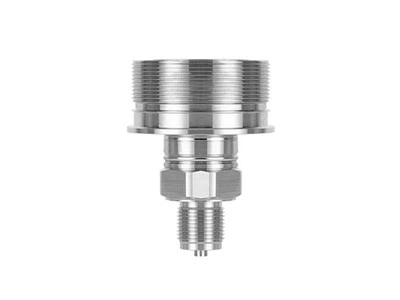
Hey there! As a supplier of DPT (Differential Pressure Transmitter), I'm here to walk you through the process of installing a DPT pressure transmitter in a centrifuge. It might sound a bit technical, but I'll break it down into simple steps so you can handle it like a pro.
Why Install a DPT Pressure Transmitter in a Centrifuge?
First off, you might be wondering why you even need a DPT pressure transmitter in a centrifuge. Well, centrifuges are used in a bunch of industries, like pharmaceuticals, food and beverage, and chemical processing. They spin at high speeds to separate substances based on their density. A DPT pressure transmitter helps monitor the pressure difference across different parts of the centrifuge. This is crucial for ensuring the centrifuge is working properly, preventing any potential malfunctions, and maintaining the quality of the separation process.
Tools You'll Need
Before you start the installation, gather the following tools:
- Screwdrivers (both flathead and Phillips)
- Wrenches (adjustable and socket wrenches depending on the fittings)
- Wire strippers
- Electrical tape
- A multimeter to test electrical connections
Step 1: Choose the Right DPT Pressure Transmitter
There are several types of DPT pressure transmitters available in the market. For a centrifuge, you need to pick one that can handle the specific pressure range and environmental conditions. Some of the popular options we offer are the DMP305X-DST Differential Pressure Transmitter, 2035 Multivariable Transmitter, and SMP858-NST Differential Pressure Transmitter. Consider factors like accuracy, reliability, and compatibility with your centrifuge system when making your selection.


Step 2: Prepare the Centrifuge
Before installing the transmitter, make sure the centrifuge is turned off and unplugged. This is a safety measure to prevent any electrical shocks or injuries. Also, clean the area where you'll be installing the transmitter to remove any dirt, debris, or oil that could interfere with the installation.
Step 3: Mount the Transmitter
Locate a suitable mounting location on the centrifuge. It should be close to the areas where you want to measure the pressure difference. Most DPT pressure transmitters come with mounting brackets or flanges. Use the appropriate screws or bolts to secure the transmitter to the centrifuge. Make sure it's mounted securely and level to ensure accurate pressure readings.
Step 4: Connect the Pressure Ports
The DPT pressure transmitter has two pressure ports: a high-pressure port and a low-pressure port. Connect the high-pressure port to the area of the centrifuge where the pressure is higher, and the low-pressure port to the area with lower pressure. Use the appropriate tubing or fittings to make the connections. Tighten the fittings using a wrench to prevent any leaks.
Step 5: Connect the Electrical Wires
Next, it's time to connect the electrical wires. The transmitter usually has a power supply wire, a signal output wire, and a ground wire. Refer to the transmitter's user manual for the correct wiring diagram. Use wire strippers to strip the insulation from the ends of the wires, and then connect them to the corresponding terminals on the transmitter. Secure the connections with electrical tape to prevent any short circuits.
Step 6: Test the Installation
Once you've completed the installation, it's important to test the transmitter to make sure it's working properly. Plug in the centrifuge and turn it on. Use a multimeter to check the electrical connections and ensure there are no open circuits or short circuits. Monitor the pressure readings on the transmitter's display or the connected control system. If the readings are within the expected range, then the installation was successful.
Step 7: Calibration
After testing, you might need to calibrate the DPT pressure transmitter to ensure accurate pressure measurements. Calibration involves adjusting the transmitter's output signal to match a known pressure reference. Follow the calibration procedure outlined in the transmitter's user manual. You may need to use a calibration device, such as a pressure calibrator, to perform the calibration.
Troubleshooting
If you encounter any issues during the installation or operation of the DPT pressure transmitter, here are some common problems and solutions:
- No pressure readings: Check the electrical connections to make sure they're secure. Also, ensure that the pressure ports are not blocked or clogged.
- Inaccurate readings: This could be due to improper calibration or a malfunctioning transmitter. Try recalibrating the transmitter, and if the problem persists, contact our technical support team.
- Leaking pressure connections: Tighten the fittings using a wrench. If the leak persists, check for damaged tubing or fittings and replace them if necessary.
Conclusion
Installing a DPT pressure transmitter in a centrifuge is a relatively straightforward process if you follow the steps outlined above. By choosing the right transmitter, preparing the centrifuge, mounting the transmitter correctly, connecting the pressure ports and electrical wires, testing the installation, and calibrating the transmitter, you can ensure accurate pressure measurements and optimal performance of your centrifuge.
If you're interested in purchasing a DPT pressure transmitter for your centrifuge or have any questions about the installation process, feel free to reach out to us. We're here to help you find the best solution for your needs.
References
- Manufacturer's user manuals for DMP305X-DST Differential Pressure Transmitter, 2035 Multivariable Transmitter, and SMP858-NST Differential Pressure Transmitter.
- Industry standards and guidelines for centrifuge operation and pressure measurement.