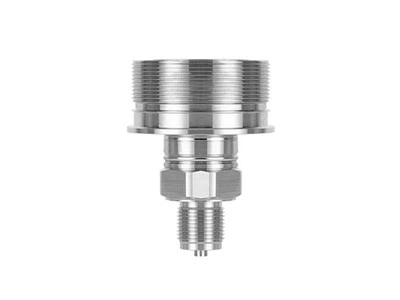
Hey there! As a supplier of transmitter accessories, I often get asked about how these accessories can affect the battery life of transmitters. It's a super important topic, especially for those who rely on transmitters in their daily work or projects. So, let's dive right in and explore this question together.
The Basics of Transmitter Battery Life
First off, let's talk a bit about the normal battery life of a transmitter without any accessories. Transmitter batteries can last anywhere from a few months to a few years, depending on a bunch of factors. Things like the type of transmitter, how often it's used, the kind of environment it's in (temperature, humidity, etc.), and the quality of the battery itself can all play a role.
Most transmitters have a certain power consumption rate. This is usually measured in milliamperes (mA) or milliwatts (mW). The lower the power consumption, the longer the battery is gonna last. For example, a low - power transmitter might consume only 1 mA, while a high - power one could use 100 mA or more.
How Accessories Can Draw Power
Now, let's get to the main point: how accessories affect battery life. Accessories can be a real double - edged sword when it comes to battery life. On one hand, they can add a whole lot of functionality to the transmitter, but on the other hand, they can also suck up a lot of power.
Manifolds
Manifolds are one of the most common accessories for transmitters. They're used to connect multiple transmitters or to control the flow of fluids or gases. Two popular manifolds are the FZ20 Manifold and the FZ50 Manifold.
Manifolds often have built - in valves and sensors, which need power to operate. The more complex the manifold, the more power it's likely to consume. For instance, a simple two - valve manifold might not draw too much power, but a multi - valve manifold with advanced flow control features can significantly increase the power consumption of the entire transmitter system.
When these manifolds are attached to a transmitter, they're effectively piggybacking on the same power source. So, the battery has to work harder to supply power not only to the transmitter but also to the manifold. This can result in a shorter battery life. If you use a manifold with a high - power consumption rate and a transmitter with a relatively small battery, you might notice that the battery needs to be replaced more frequently.
Remote Display Instruments
Another type of accessory that can affect battery life is the remote display instrument. Take the LG8 Remote Display Instrument as an example. These instruments are great because they allow you to view the transmitter data from a distance.
However, they also consume power. Remote display instruments typically have a screen, a microcontroller, and communication circuits. The screen has to be illuminated, and the microcontroller has to process and display the data. All of these functions require energy.
The communication between the transmitter and the remote display instrument also uses power. Whether it's a wired or wireless connection, there's a power cost involved. Wireless connections, in particular, can be quite power - hungry, especially if they use a high - frequency or long - range protocol. So, if you add a remote display instrument to your transmitter, be prepared for a potential reduction in battery life.
Factors That Influence Accessory Power Consumption
It's not just the type of accessory that matters; there are other factors that can affect how much power an accessory uses and, in turn, how it impacts the transmitter's battery life.
Usage Frequency
How often you use an accessory makes a big difference. If you rarely use a remote display instrument or only activate a manifold's advanced features once in a while, the impact on battery life will be relatively small. But if you're constantly checking the data on the remote display or using the manifold's valves for frequent flow adjustments, the accessory will draw more power, and the battery will drain faster.
Operating Conditions
The environment in which the transmitter and its accessories operate can also affect power consumption. Extreme temperatures, for example, can cause batteries to perform less efficiently. Cold temperatures can increase the internal resistance of the battery, making it harder to supply power. At the same time, some accessories might need to work harder in extreme conditions to maintain their functionality.
If a remote display instrument is exposed to direct sunlight for long periods, the screen might have to increase its brightness to remain visible, which will consume more power. Similarly, a manifold operating in a high - pressure environment might need more power to operate its valves effectively.
Quality of the Accessory
The quality of the accessory plays a role too. A well - designed and high - quality accessory is likely to be more energy - efficient. It might use better components that require less power to operate, or it could have a more optimized power management system. On the other hand, a low - quality accessory might have leaks, faulty sensors, or inefficient circuits, all of which can lead to increased power consumption.
Strategies to Minimize Impact on Battery Life
So, what can you do to minimize the negative impact of accessories on the transmitter's battery life?
Choose the Right Accessories
Be strategic about which accessories you choose. Look for ones that are designed to be energy - efficient. If you need a remote display instrument, opt for one with a low - power screen and efficient communication protocols. When it comes to manifolds, choose a model that has only the features you really need. Avoid over - specifying and getting a more complex manifold than necessary.
Optimize Usage
Use your accessories only when you really need them. If you don't need to check the remote display instrument every few minutes, don't. You can also set up schedules for using accessories. For example, if you're using a manifold to control the flow of a process that runs on a specific time cycle, you can program the manifold to activate only during those times.


Maintain Your Equipment
Proper maintenance is crucial. Keep your accessories clean and in good working condition. For manifolds, make sure there are no leaks, as leaks can cause the valves to work harder and consume more power. For remote display instruments, keep the screen clean and replace any faulty components promptly.
Conclusion
In conclusion, transmitter accessories can have a significant impact on the battery life of transmitters. Manifolds, remote display instruments, and other accessories all draw power, which can reduce the overall battery life of the transmitter system. However, by understanding the factors that influence accessory power consumption and taking appropriate strategies to minimize the impact, you can still enjoy the added functionality of these accessories without sacrificing too much battery life.
If you're interested in learning more about our transmitter accessories, or if you have specific questions about how they might affect the battery life of your transmitters, feel free to reach out. We're here to help you make the best choices for your needs and ensure that your transmitter systems run smoothly and efficiently.
References
- Smith, J. (2020). "Power Management in Transmitter Systems." Journal of Instrumentation Technology.
- Johnson, A. (2021). "The Impact of Accessories on Transmitter Performance." Industrial Electronics Magazine.